
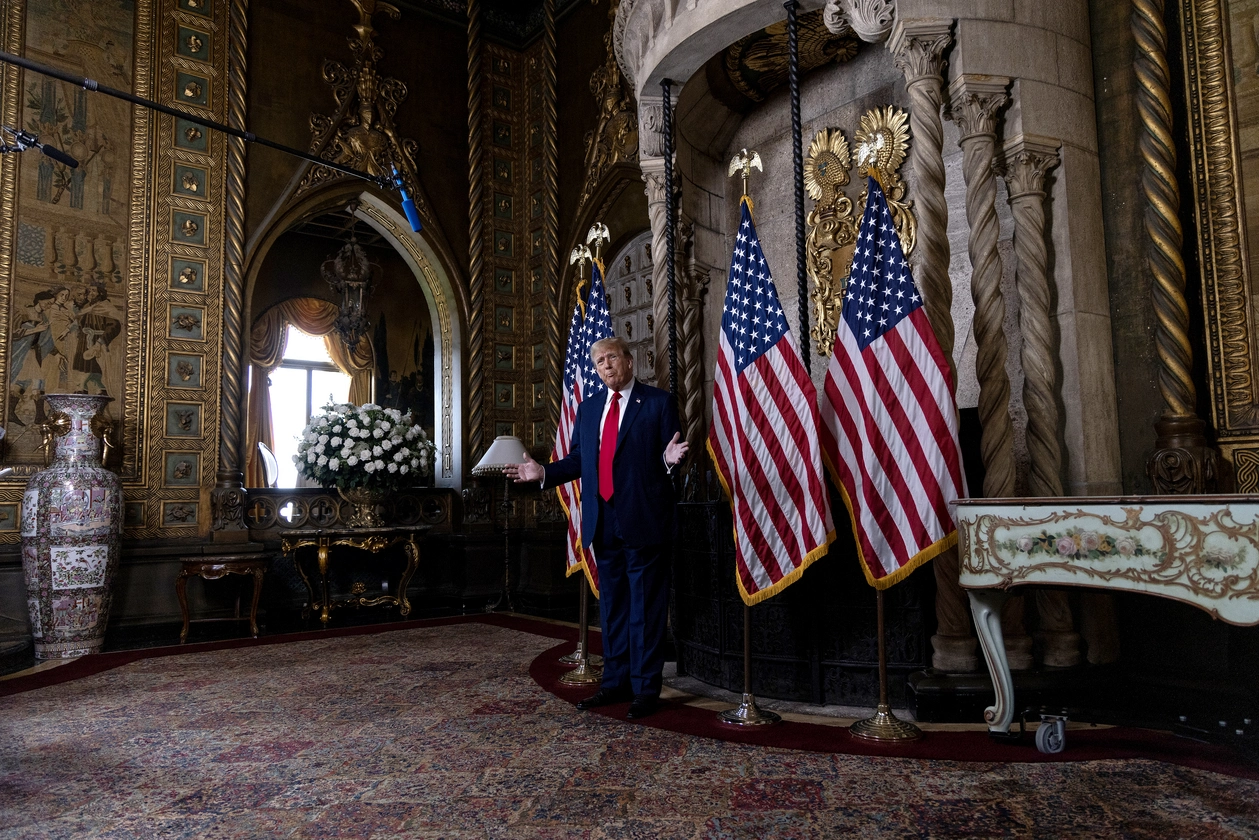

Trump’s ‘Golden Age’ Sparks Uneven Economic Recovery, Benefits Top 10%/ TezzBuzz/ WASHINGTON/ J. Mansour/ Morning Edition/ President Donald Trump touts strong economic growth in 2025, but data shows it’s primarily fueled by the wealthiest Americans. The top 10 percent are spending nearly as much as the rest of the country combined, driving up GDP while many struggle. Despite booming markets, rising inequality and wage stagnation leave Main Street Americans unconvinced of a true recovery.
Trump’s Economic Boom Quick Looks
- U.S. GDP rose 4.3% in Q3 2025, led by a surge in consumer spending
- The top 10% of earners spent $20.3 trillion in H1 2025
- Wealthy households benefit from rising stock values, real estate, and strong wage growth
- Lower-income wages grew only 1.4%, while top earners’ pay increased 4%
- Trump dubbed the period the “Economic Golden Age”
- Public sentiment remains negative due to affordability struggles and credit debt
- Bank of America and Fed data highlight growing income and wealth gaps
- Corporate profits, M&A activity, and luxury spending are at record highs
- Unemployment rose to 4.6%, and loan defaults may increase among subprime borrowers
- Trump’s economic messaging centers on tax cuts, Wall Street access, and new savings policies

Trump’s ‘Golden Age’ Sparks Uneven Economic Recovery, Benefits Top 10%
Deep Look
President Donald Trump’s return to office in 2025 has been marked by remarkable economic growth numbers, with third-quarter GDP reaching 4.3%, according to the Commerce Department. But behind the headline figures lies a more nuanced reality: this so-called “Trump Economic Golden Age” is largely being driven by America’s wealthiest citizens.
New data from the Royal Bank of Canada shows the top 10 percent of earners spent $20.3 trillion in just the first half of 2025 — nearly equaling the $22.5 trillion spent by the bottom 90 percent combined. This surge in consumption is buoyed by rising stock market performance, high property values, and steady wage gains among top earners. Bank of America reports a 4% year-over-year increase in take-home pay for its top account holders, compared to only 1.4% for lower-income Americans.
While the administration highlights these figures as proof of a strong recovery, polling and consumer sentiment surveys tell a different story. Many Americans say they’re still struggling with affordability issues, soft job growth, and increasing personal debt. The Federal Reserve Bank of Boston noted a substantial rise in credit card debt among low-income consumers, echoing concerns raised at recent economic forums.
Trump allies such as economist Stephen Moore and strategist Steve Bannon argue that these gains will eventually trickle down through job creation and tax policy. They point to the president’s recent tax overhaul, known as the “One Big Beautiful Bill,” which includes new deductions aimed at small businesses and hourly workers. Bannon insists the administration must “hammer relentlessly” on its economic wins.
However, many traditional economic indicators show a lopsided recovery. Mergers and acquisitions surged 49% this year, totaling $2.3 trillion and disproportionately benefitting high-net-worth investors. Corporate profits rose by $166 billion in the last quarter alone. At the same time, Wall Street firms and luxury brands report booming demand for high-end products like Swiss watches, premium credit cards, and luxury travel.
Still, not all data aligns with the prosperity narrative. The JPMorganChase Institute found stagnant account balances and slow wage growth among older and working-class Americans. Subprime lenders warn that rising delinquencies may be on the horizon. The American Financial Services Association confirmed lenders are preparing for stress in the lower credit tier.
At the Yale CEO Conference, Federal Reserve Governor Christopher Waller offered a sobering view. Speaking to a room of corporate executives, he contrasted Wall Street’s access to cheap credit with the high-interest burdens faced by average Americans.
“They’re not seeing financing as cheap,” Waller said, highlighting rising mortgage and auto loan rates for everyday consumers.
Nonetheless, administration officials remain optimistic. They hope targeted policies — such as Trump-branded investment accounts for newborns and expanded 401(k) options — will give working families better access to market growth. Some economic analysts, like Joseph Lavorgna, argue that if inflation continues to decline, real wages could rise across the board, expanding the recovery’s reach.
Retail data also suggests consumer spending remains strong. Despite wage stagnation for some, Americans are still shopping, especially during the holiday season. This may help buoy near-term economic growth, but longer-term sustainability remains uncertain if economic inequality continues to widen.
In summary, Trump’s second-term economy is breaking records — for some. For others, especially those outside the top income brackets, the recovery feels distant, with high costs and limited wage growth undercutting the broader optimism. Whether Trump’s policies can bridge the gap between Wall Street and Main Street remains the defining question of his economic legacy in 2025.
More on US News

Comments are closed.