
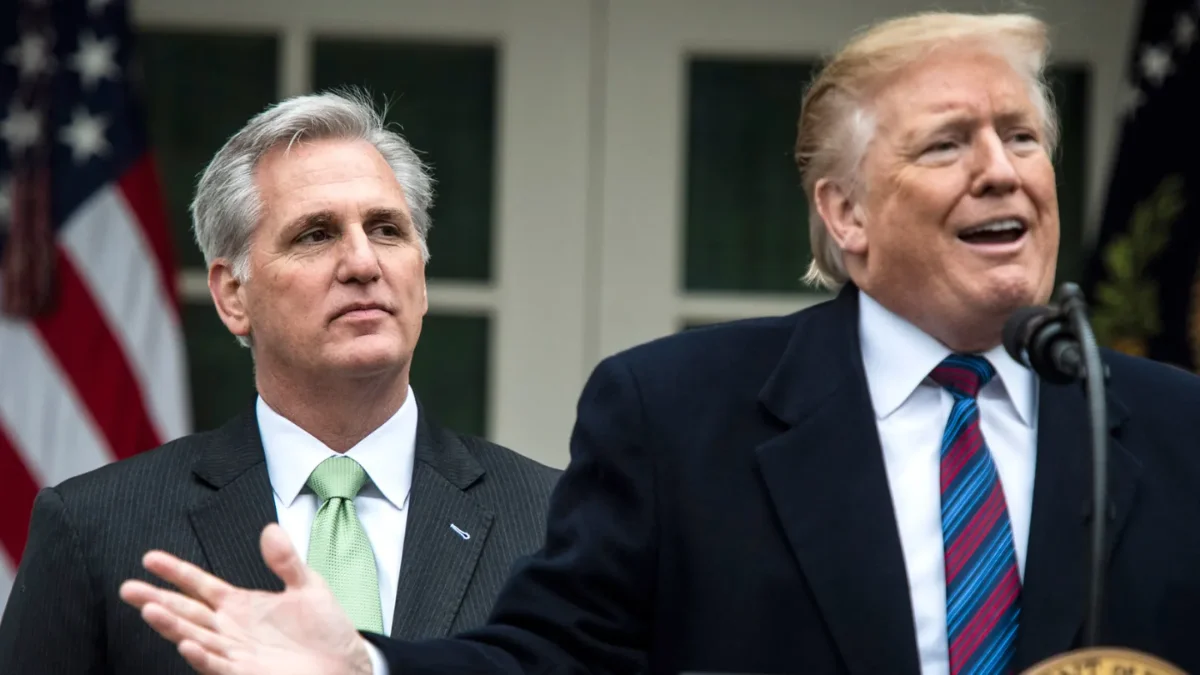

As the U.S. midterm elections approach, the political influence of former President Donald Trump is reshaping campaign strategies across several competitive districts including one in New Jersey. For a sitting congressmember from the state, Trump’s continued dominance in national political discourse has introduced new challenges that are altering the tone and trajectory of the reelection campaign. New Jersey has historically leaned Democratic in federal elections, yet several suburban districts remain politically competitive. In such environments, national figures can significantly shape voter perception, even in races centered on local governance and constituent services.
Balancing local priorities with national polarization
The congressmember now faces the complex task of navigating between local policy concerns and broader national debates linked to Trump’s leadership and legacy. Voters in the district are increasingly framing their choices through the lens of national political identity rather than strictly local performance. Issues such as economic policy, immigration, and public safety often amplified in Trump’s messaging are influencing discussions at town halls and campaign events. This shift is forcing candidates to respond to narratives that may not directly relate to district specific challenges but resonate strongly with partisan bases.
Impact on voter mobilization and messaging
Trump’s political presence has proven to be a powerful mobilizing force for both supporters and opponents. For some voters, alignment with Trump’s agenda remains a decisive factor in determining support for Republican candidates. For others, opposition to his policies serves as a motivation to engage more actively in the electoral process. This dual impact creates a polarized environment where campaign messaging must carefully address contrasting expectations. The New Jersey congressmember must appeal to moderate voters while also energizing core supporters who may hold divergent views on Trump’s role in shaping the party’s direction.
Strategic recalibration underway
Campaign strategists are adjusting outreach efforts to reflect these evolving dynamics. Messaging now emphasizes practical achievements and district-level priorities, including infrastructure development, healthcare access, and economic growth. At the same time, the campaign must address national narratives that continue to dominate media coverage and voter conversations. Analysts note that the ability to maintain focus on local accomplishments while navigating national political currents may prove critical in determining the race’s outcome.
Broader implications for suburban districts
The situation reflects a wider trend in suburban congressional districts where national political figures exert substantial influence over local races. Trump’s enduring visibility means that candidates cannot easily separate themselves from broader party dynamics. Political observers suggest that how candidates respond to this challenge may shape not only individual campaigns but also broader electoral strategies in similar districts nationwide.
Midterm stakes remain high
With control of Congress often hinging on closely contested districts, races influenced by national political figures carry added significance. The New Jersey contest illustrates how local elections increasingly serve as reflections of wider political debates. As campaigning intensifies, the congressmember’s ability to navigate these pressures will likely play a decisive role in determining electoral success in an environment where national identity and local representation are deeply intertwined.

Comments are closed.