

A one-man commission constituted by the Andhra Pradesh government on Saturday revealed that the TTD procured over 70 lakh kg of ghee used in preparing the famous Tirupati laddus without mandatory quality checks. The report submitted by the commission claimed that this “systemic failure” allowed suppliers to provide adulterated ghee, as officials allegedly ignored safety tests and suppressed lab reports confirming the presence of vegetable fats.
Commission Flags Procurement Of Over 70 Lakh Kg Ghee Without Mandatory Quality Checks
Chief Minister N. Chandrababu Naidu appointed a one-man commission headed by retired IAS officer Dinesh Kumar to probe the supply of allegedly adulterated ghee to the Tirumala Tirupati Devasthanams, after the Supreme Court-appointed SIT submitted its report.
“TTD officials initially planned to incorporate mandatory FSSAI β-Sitosterol testing (effective July 1, 2022), but later reversed the decision and granted suppliers an exemption, leading to the procurement of over 70 lakh kg of ghee without the legally required quality checks,” Kumar said in his report.
The report identified “systemic administrative failures” as the root cause, particularly in the enforcement of tender rules, and noted that critical safeguards meant to ensure quality were “gradually eroded”.
Report Cites “Systemic Failure” And Alleged Suppression Of Lab Reports
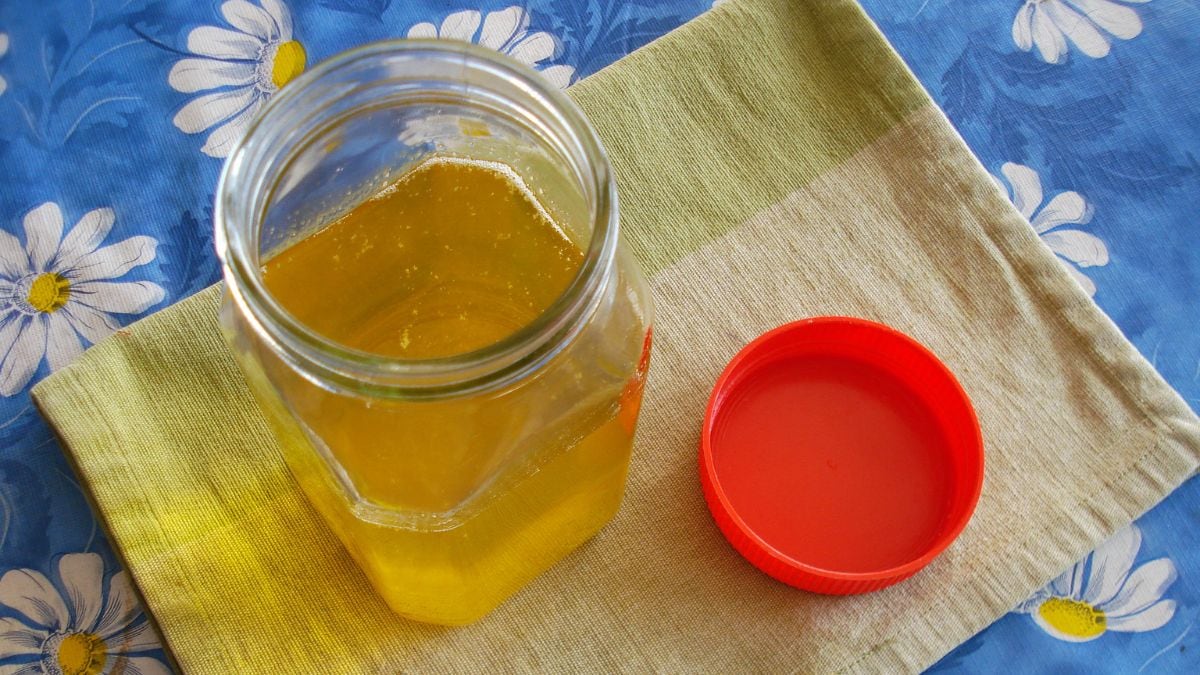
Photo: Wikimedia Commons
Critical lab reports confirming adulteration were allegedly suppressed, while procurement decisions were taken without full oversight, thereby undermining due process. The panel also found that procurement committee members allegedly relaxed tender norms without the full committee’s or convener’s approval, allowed post-bid price reductions after reverse auctions, and accepted abnormally low bids without scrutiny.
It highlighted that eligibility norms introduced in August 2019 were allegedly diluted within months without proper assessment, allowing non-compliant firms such as Bhole Baba Organic Dairy Milk Pvt Ltd to enter the supply chain despite lacking verifiable production capacity.
According to the report, a Central Food Technological Research Institute (CFTRI) lab test conducted on August 3, 2022, confirmed adulteration with vegetable oils through the presence of β-Sitosterol. However, the findings were allegedly suppressed, and firms were not blacklisted under tender conditions.
Suppliers Accused Of Steep Price Cuts
Mandatory FSSAI β-Sitosterol testing norms were initially planned but later scrapped, enabling the procurement of over 70 lakh kg of ghee without such testing. The commission noted that suppliers resorted to steep price cuts of up to Rs 207 per kg of ghee and alleged illegal post-auction negotiations.
It also said contracts were awarded to ineligible firms with over-reliance on L1 (lowest bid) pricing, which incentivized adulteration.
It further flagged that the TTD’s laboratory allegedly lacked equipment for real-time adulteration testing, and its upgrade—deemed necessary after the incident—was delayed by nearly three years.
The report pointed to overlapping membership in technical evaluation and plant inspection committees, which compromised independent oversight. It also noted that complaints and quality monitoring systems were “largely ignored”.
Investigation into specific vendors revealed that Bhole Baba Organic Dairy continued supplies even after disqualification and adverse lab reports, allegedly using synthetic additives such as beta-carotene, acetic acid ester, and artificial flavoring agents to bypass tests, and routing supplies through intermediate dairies.
Premier Agri Foods Pvt Ltd, one of the largest suppliers, continued receiving fresh orders despite confirmed adulteration, while being granted exemptions from FSSAI testing norms, the commission report said.
AR Dairy Food Pvt Ltd submitted inflated production and certification records and failed independent laboratory tests, yet remained part of the supply chain, reflecting weak enforcement, Kumar said in his report.
The commission held the TTD board, purchase committee members, senior officials, and dairy experts responsible for governance failures, procedural lapses, and continued procurement from non-compliant vendors. PTI MS STH SSK
(Disclaimer: This story has not been edited by NDTV staff and is auto-generated from a syndicated feed.)

Comments are closed.