
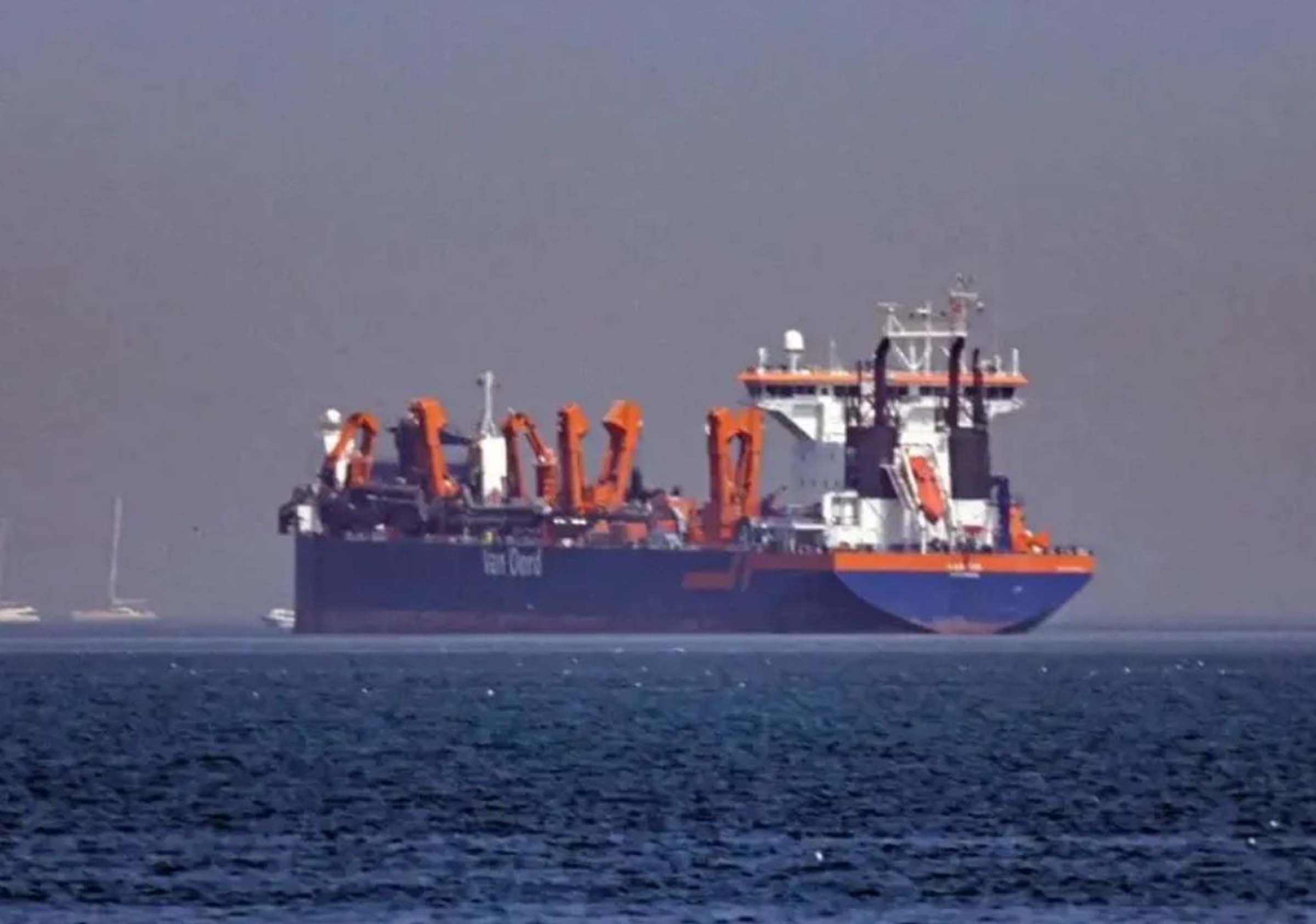

Two Indian-flagged vessels have reportedly passed through one of the world’s most sensitive maritime routes as tensions between Iran and the United States continue to disrupt global shipping. The development comes at a time when most vessels remain stranded due to fears of attacks in the conflict-hit Gulf region. The movement marks a rare instance of safe navigation through the contested waterway during the ongoing crisis involving the Indian ships Strait of Hormuz.
According to sources, the two Indian vessels began transiting the Strait between Wednesday night and Thursday morning. While authorities are yet to issue an official confirmation, the ships are believed to have crossed the passage without any reported incident.
The transit of Indian ships Strait of Hormuz has drawn attention because maritime traffic through the route has largely stalled since February 28, when the United States and Israel launched strikes on Iran. Tehran responded with military action and tightened its grip over the strategic waterway, triggering fears among global shipping operators.
The development follows another important maritime movement earlier this week. A Liberian-flagged tanker carrying Saudi Arabian crude oil, commanded by an Indian captain, successfully cleared the Strait and docked at Mumbai port on Wednesday. The tanker became the first India-bound vessel to safely pass through the contested waters since the conflict escalated.
Strait of Hormuz becomes flashpoint
The Strait of Hormuz is among the world’s most crucial oil shipping corridors, connecting the Persian Gulf with the Arabian Sea. Nearly one-fifth of the world’s oil supply passes through this narrow route, making any disruption a major concern for global energy markets.
The passage of Indian ships Strait of Hormuz comes even as Iran issued stern warnings to vessels using the route. Tehran has reportedly asked ships to seek its approval before crossing the stretch, warning that those failing to comply could face attacks.
India has also been closely monitoring the evolving crisis. On Tuesday, external affairs minister S Jaishankar spoke with Iranian foreign minister Seyed Abbas Araghchi to discuss developments in West Asia and regional stability.
Meanwhile, security concerns escalated further after two foreign tankers transporting Iraqi fuel oil were attacked in Iraq’s territorial waters. Iraqi port authorities said the vessels caught fire following strikes believed to have been carried out by explosive-laden boats.
These incidents underline the fragile security environment surrounding the Indian ships Strait of Hormuz, which remains one of the most strategically contested waterways in the world.
Despite the risks, the successful transit of Indian ships Strait of Hormuz provides limited reassurance to shipping operators and energy importers who rely heavily on the route.
—
FAQs
Q: Why is the Indian ships Strait of Hormuz transit significant?
A: The Indian ships Strait of Hormuz transit is significant because most maritime traffic has been halted due to escalating tensions between Iran and the United States.
Q: Is it safe for Indian ships Strait of Hormuz to pass currently?
A: While some Indian ships Strait of Hormuz have successfully crossed, the route remains risky due to ongoing military tensions and threats in the region.
Q: Why is the Strait of Hormuz important globally?
A: The Strait is a critical global oil route, with a significant portion of the world’s crude oil supply passing through it daily.
Q: How is India responding to the Strait of Hormuz crisis?
A: India is monitoring the situation closely and engaging diplomatically with regional powers to ensure the safety of ships and trade routes.

Comments are closed.