
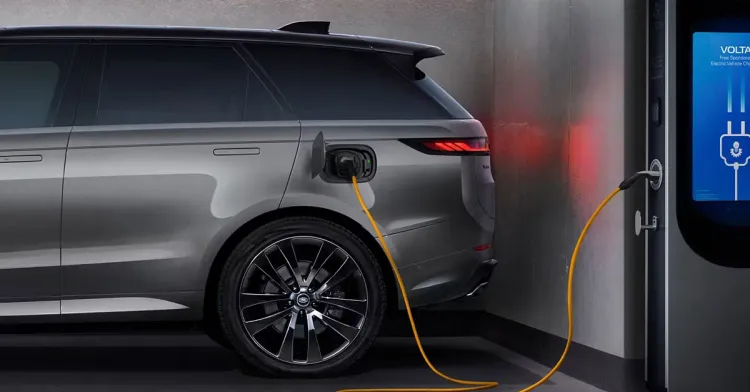

Hybrids are going to be the next big thing in India’s automotive landscape. The conversation so far has been around strong hybrids. The latest developments have brought a new name into the picture- plug-in hybrids (PHEVs). India is fairly new to PHEVs. The mass-market segments have never had them. This is set to change as it has now been confirmed that two interesting plug-in hybrid models will launch in India in the coming months.
Plug-In Hybrids: What Are They?
As the name suggests, PHEVs need to be plugged in to maximize their abilities. When we say hybrids, we mostly refer to strong hybrids which do not require external charging for their battery packs. In Plug-In hybrids (PHEVs), however, there is the option to plug the vehicle into a public or home charger and replenish the battery pack.
The battery pack itself, will be much larger than those offered in strong hybrid models. For perspective, the Wuling Starlight 560 PHEV which we will talk about later in this article comes with a 20.5kWh battery pack. The Renault Duster hybrid, on the other hand, comes with a 1.4kWh unit. The outgoing Hyryder has an even smaller 0.8kWh unit. Plug-in hybrids thus have higher all-electric range than strong hybrids. They have significantly lower emissions as well.
JSW’s First Car: Jetour T2
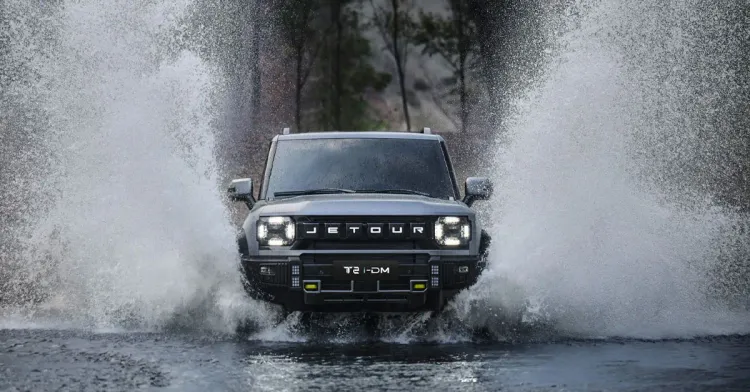
JSW’s Parth Jindal previously confirmed that the company will launch its first car- a rebadged version of the Jetour T2 SUV, here this year, around Diwali. More recent reports, however, suggest the plans to have hit a regulatory wall. It may get delayed a bit, but the T2 is definitely coming to India.
The SUV will have a different name when launched. Let’s call it T2 for now. It will be brought in as CKD (completely knocked down) kits and be assembled at JSW’s upcoming greenfield manufacturing plant in Maharashtra’s Chhatrapati Sambhaji Nagar. It will compete primarily with the Fortuner here.
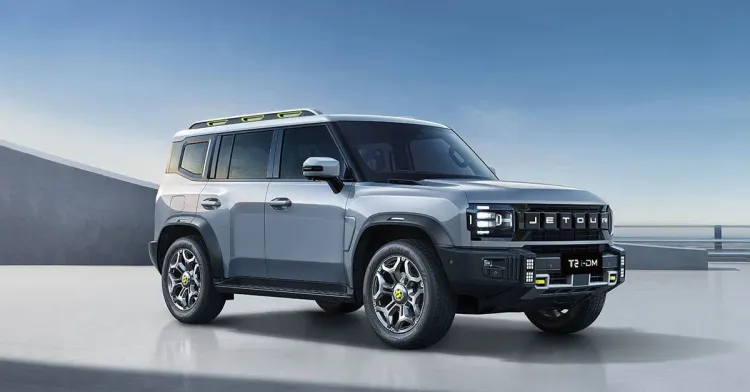
The Jetour T2 is already well-known for its iconic design and smart packaging. Its traditional, boxy, upright design may resemble the Defender’s design to some extent. The five-seater version measures 4.7 metres in length and has a larger footprint than the Tata Safari. The seven-seater version is even longer.
The T2 will have a tech-packed cabin. Features like a 12-speaker Sony sound system, panoramic sunroof, ventilated & powered front seats, 10.25-inch digital instrument cluster., dual-zone automatic climate control, a 15.6-inch touchscreen, LED ambient lighting, wireless phone charging and more are expected.
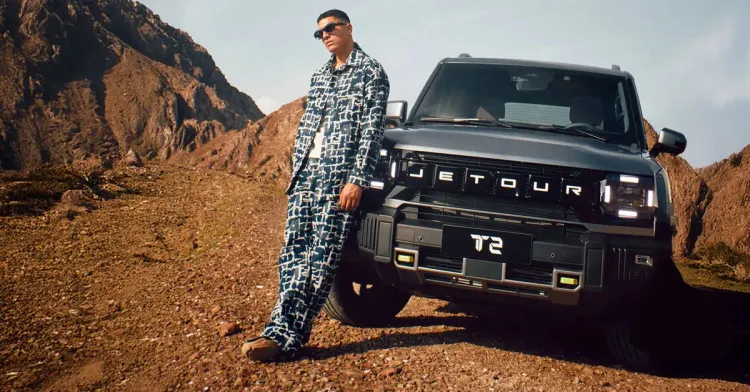
The biggest highlight will be the powertrain. Even though regular internal combustion versions are available, India will get the i-DM version that features a 1.5-litre plug-in hybrid powertrain. In international markets, the i-DM is available with both all wheel drive (AWD) and Front Wheel Drive (FWD). It remains unclear which of these will be brought to India. The plug-in hybrid setup here, pairs the engine with two electric motors and a battery pack, and delivers a combined output of 375 hp and 610 Nm.
MG’s New Plug-In Hybrid SUV
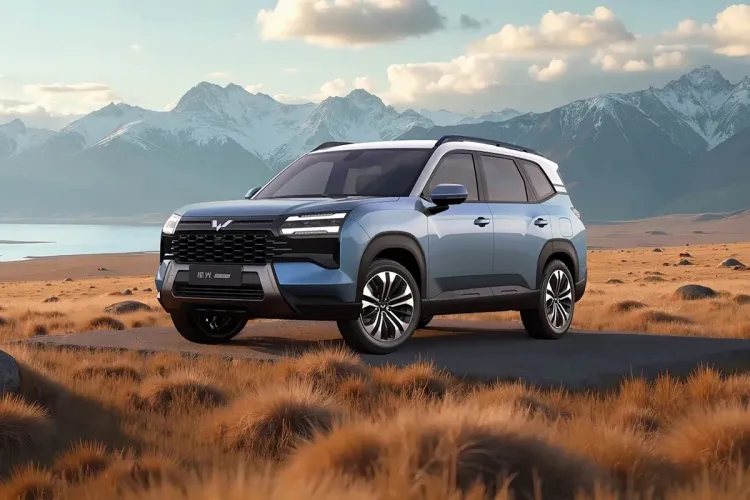
MG Motor India will also launch a new plug-in hybrid this year. It will be a seven-seater SUV that will compete with the likes of Mahindra XUV 7XO here. We expect it to be in showrooms by October this year.
MG’s PHEV SUV will be based on the Wuling Starlight 560 SUV. The project is currently codenamed 520. The Starlight 560 is already on sale in markets like Indonesia (as the Wuling Eksion) where it features a PHEV powertrain that mates a 1.5-litre petrol engine with a single electric motor and a 20.5kWh battery pack.
The electric motor sits on the front axle and and the setup has a total system output of 197hp and 230Nm. This SUV is claimed to have a 0-100kph sprint time of 9.7 seconds and a top speed of 170 kph. It delivers a total range of 1100km per tank of fuel. The electric-only CLTC range here is around 100 km.
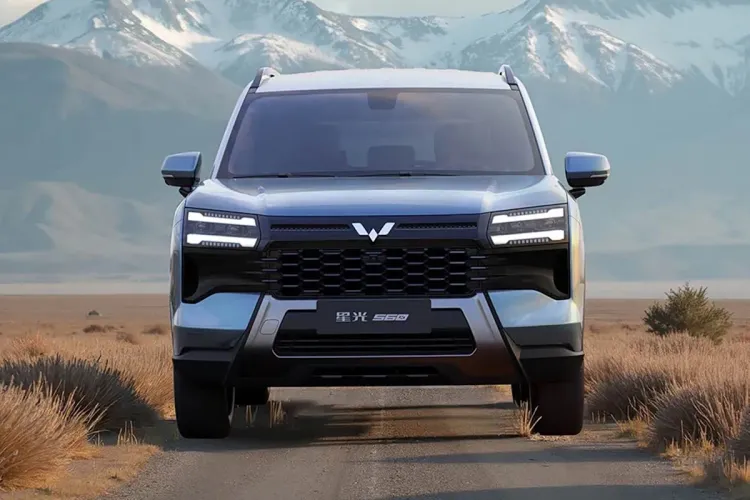
The project 520 SUV is expected to come as a five-seater first. We may see MG bringing a seven-seater version later. The platform is flexible enough to support seven-seat configurations and the vehicle itself is longer than the 7XO.
MG has been tight-lipped about the possible pricing of this model. Considering how MG has been competitive with prices, we can expect the PHEV to be priced aggressively, when launched in India. It could possibly sit in the same ballpark as the Safari and XUV 7XO. If so, the Starlight 560 will offer a good value proposition to people who are in the market for hybrids.

Comments are closed.