
U.S.-Iran conflict: What do people of America have to say on the recent U.S.- Israel’s coordinated attack on Iran?

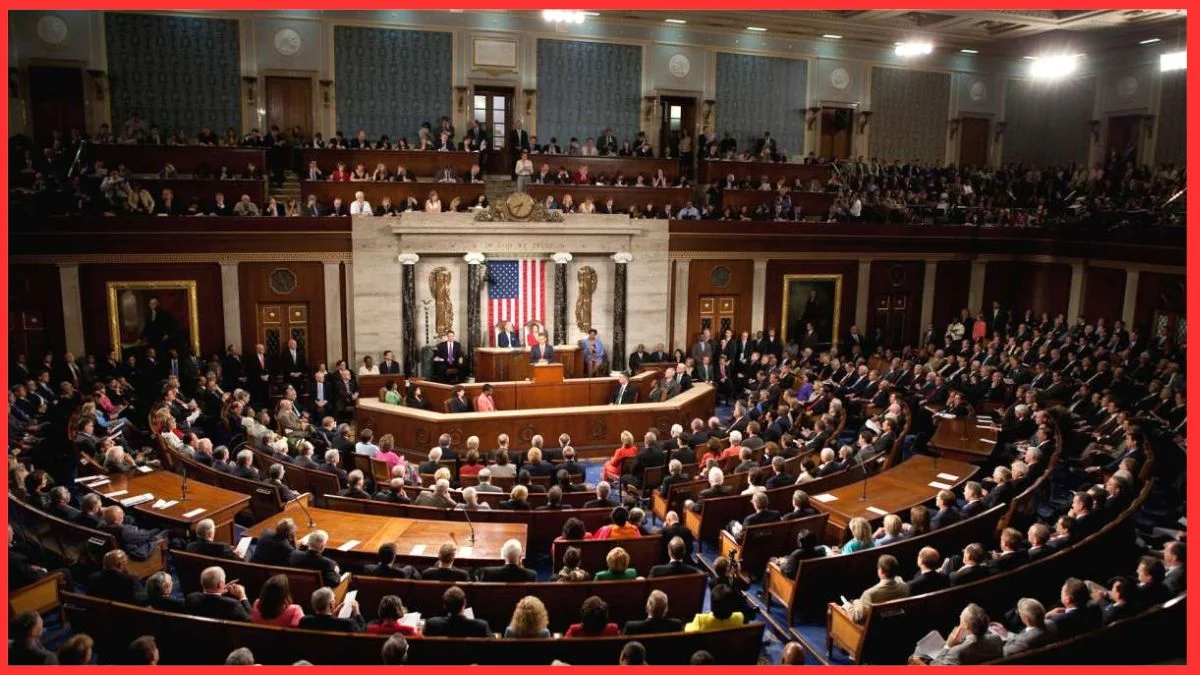
The United States Senate is preparing to vote on a resolution aimed at limiting President Donald Trump’s authority to initiate or expand military action against Iran, a development that has intensified debate over executive war powers and public support for U.S. military engagement. The bipartisan measure, introduced by Democratic Senator Tim Kaine and Republican Senator Rand Paulseeks to reassert congressional oversight in matters of war. Most Republican lawmakers have expressed firm backing for the administration’s decision to launch strikes on Iran, with Senator Paul standing as a notable exception. Republicans currently hold a majority in both the Senate and the House of Representatives, making the resolution’s passage uncertain. Senate Minority Leader Chuck Schumer voiced concern earlier in the day that the president could eventually escalate the situation by deploying ground forces in Iran. These developments frame a broader national discussion over whether Americans support the president’s posture toward Iran and how constitutional war powers should be exercised.
U.S. Public Opinion, Congressional Oversight, and the Iran Military Debate
While the Senate vote centers on legislative authority, the broader question of public support remains complex and politically consequential. Lawmakers’ positions often reflect their interpretation of constituent sentiment, particularly when military engagement abroad is involved. In this case, strong Republican backing for the administration suggests alignment within the party’s base, whereas Democratic leadership has emphasized caution and constitutional checks. The resolution itself underscores enduring tensions between the executive branch and Congress over war powers, especially in scenarios that could lead to prolonged conflict. For Middle Eastern and European Union observers, the vote represents more than a domestic political dispute; it signals how institutional safeguards function during moments of geopolitical strain. As the Senate prepares to deliberate, the outcome will clarify not only congressional appetite for curbing presidential authority but also how elected officials interpret the American public’s tolerance for expanded military involvement with Iran.

Comments are closed.