
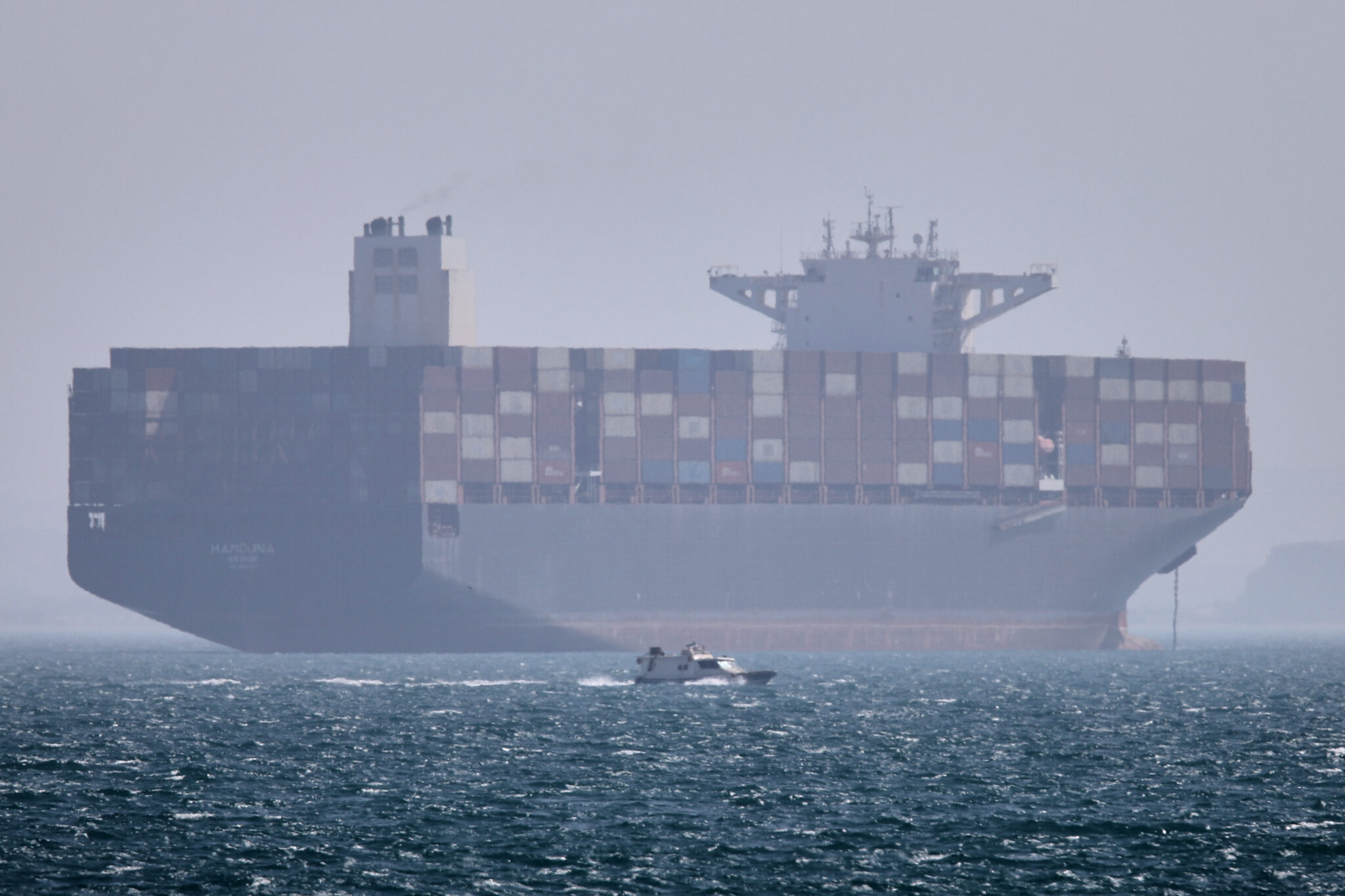

UAE Reports Iranian Strikes Amid US Shipping Push/ TezzBuzz/ WASHINGTON/ J. Mansour/ Morning Edition/ The UAE says Iran launched new attacks amid rising tensions. The strikes follow U.S. efforts to reopen the Strait of Hormuz. The escalation threatens global oil supply and fragile ceasefire.

Iran UAE Hormuz Attacks Quick Looks
- UAE reports missile and drone attacks by Iran
- Strikes follow U.S. push to reopen shipping routes
- Oil facilities and vessels targeted near Fujairah
- Ceasefire strained as tensions escalate again
- Global energy markets face renewed uncertainty
- U.S. warns of forceful response if interfered

Iran Launches New Attacks on UAE
The United Arab Emirates says Iran has resumed military strikes, marking the first attacks since a fragile ceasefire took hold weeks ago.
According to UAE officials, Iran launched four cruise missiles, with most intercepted, while a drone attack caused a fire at a major oil facility in Fujairah. Additional reports indicated that cargo vessels near the coast were set ablaze.
The escalation signals a sharp deterioration in regional stability.
Strikes Follow US Effort to Reopen Strait
The attacks came shortly after the United States began efforts to restore shipping through the Strait of Hormuz, a critical global trade route.
U.S. officials said two American-flagged ships successfully transited the waterway under military protection, part of a broader initiative to resume commercial traffic.
The timing suggests the strikes may be a response to this effort, which challenges Iran’s control over the strait.
Critical Waterway at Center of Conflict
The Strait of Hormuz remains a focal point in the ongoing conflict. A significant share of the world’s oil and natural gas passes through the narrow channel between Iran and Oman.
Iran’s effective closure of the strait has disrupted global energy markets, driving up fuel prices and raising concerns about supply shortages.
Efforts to reopen the route are seen as essential to stabilizing the global economy but carry significant risks.
US Warns of Strong Response
President Donald Trump has warned that any interference with U.S.-led maritime operations would trigger a forceful response.
The initiative, described as “Project Freedom,” aims to guide stranded vessels safely through the region while restoring normal trade flows.
However, Iran has rejected the plan, calling it a violation of the ceasefire and warning that foreign military forces entering the strait will be targeted.
“We warn that any foreign military force — especially the aggressive U.S. military — that intends to approach or enter the Strait of Hormuz will be targeted,” said Iranian military official Ali Abdollahi.
Shipping Risks and Industry Concerns
Shipping companies and insurers remain wary of the situation, as renewed attacks increase the risks of operating in the region.
Authorities have advised vessels to use alternative routes and heightened security zones, particularly near Oman’s waters.
Experts warn that the presence of naval mines and ongoing military activity makes the strait one of the most dangerous maritime zones in the world.
Conflicting Claims Add to Tension
Iranian media reported that a U.S. naval vessel was struck near the strait, but U.S. officials denied the claim, stating that no ships had been hit.
These conflicting narratives contribute to uncertainty and complicate efforts to de-escalate tensions.
Economic Impact Intensifies
The disruption of shipping routes has already had a significant impact on global markets, particularly energy prices.
Countries in Europe and Asia that rely heavily on Persian Gulf oil are facing increased costs and supply uncertainty.
The ongoing blockade and military actions are also limiting Iran’s oil exports, adding economic pressure on Tehran.
Diplomatic Efforts Show Little Progress
Negotiations between the United States and Iran continue but have yielded limited results.
Iran’s latest proposal calls for lifting sanctions, ending blockades, and withdrawing foreign forces, while the U.S. remains skeptical about reaching an agreement.
Officials on both sides have acknowledged that changing demands and ongoing hostilities make diplomacy increasingly difficult.
Outlook: High Risk of Escalation
The renewed attacks highlight the fragile nature of the ceasefire and the potential for broader conflict.
As military operations intersect with diplomatic efforts, the risk of escalation remains high, with global economic and security implications.
The situation in the Strait of Hormuz will continue to be closely watched as a key indicator of stability in the region.
More on US News
Comments are closed.