
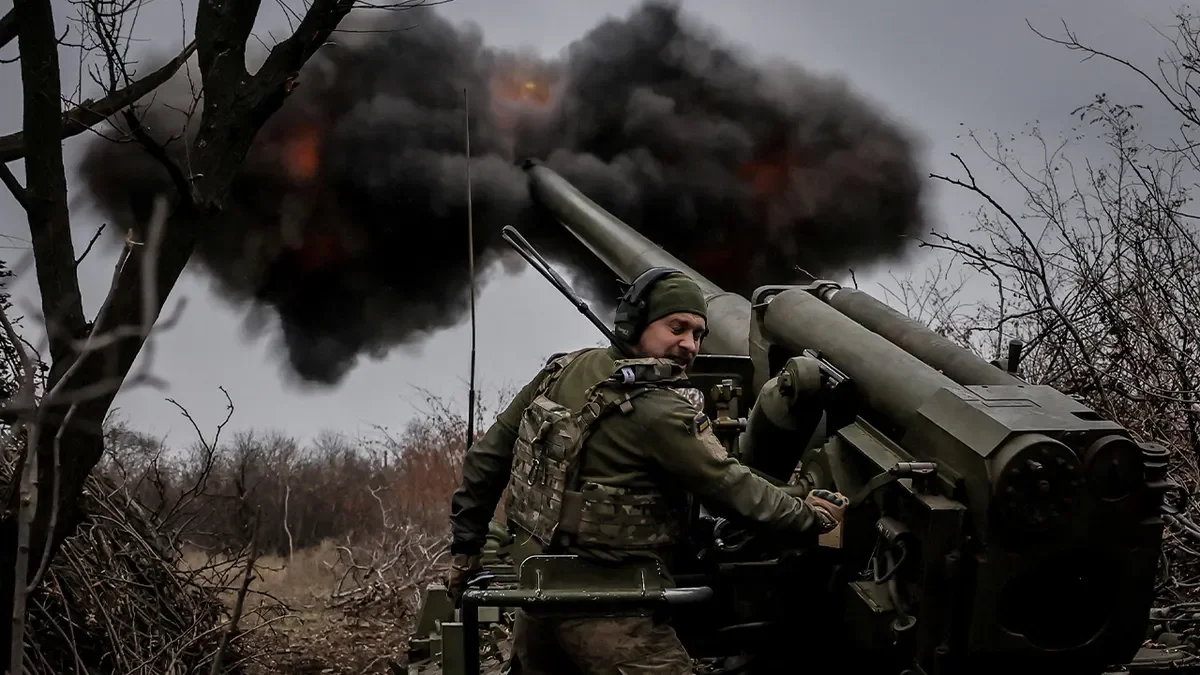

Ukraine and Russia have accused each other of committing hundreds of violations of a ceasefire agreement, highlighting the fragile nature of efforts to reduce hostilities. Officials from both sides have reported continued shelling and military activity in contested regions despite the declared truce. The accusations underscore the ongoing mistrust between the two countries, with each side blaming the other for escalating tensions and failing to adhere to agreed conditions.
Continued hostilities raise concerns
Reports of ceasefire violations include exchanges of fire along front lines and alleged attacks on positions held by opposing forces. Such incidents have raised concerns about the effectiveness of the ceasefire and the prospects for sustained peace. Observers note that ceasefire agreements in active conflict zones often face challenges in enforcement, particularly when verification mechanisms are limited. The situation remains volatile, with both sides maintaining heightened military readiness.
Impact on civilians and infrastructure
The continued violations have had significant implications for civilian populations in affected areas. Residents in conflict zones face risks from ongoing violence, including damage to homes and disruption of essential services. International organisations have repeatedly emphasised the need to protect civilians and ensure access to humanitarian assistance. The persistence of hostilities complicates relief efforts and prolongs the humanitarian crisis.
Diplomatic efforts and international response
The international community, including the United Nationshas called for strict adherence to ceasefire agreements and renewed dialogue between the parties. Diplomatic efforts are ongoing to stabilise the situation and prevent further escalation. Despite these efforts, progress remains limited, with both Ukraine and Russia continuing to exchange accusations. The lack of mutual trust poses a major obstacle to achieving lasting peace.
Challenges in monitoring and enforcement
One of the key challenges in ceasefire arrangements is the verification of alleged violations. Without robust monitoring systems, it becomes difficult to establish accountability and ensure compliance. Experts suggest that stronger international oversight and confidence building measures may be necessary to improve the effectiveness of ceasefire agreements in such complex conflicts.
Outlook for conflict resolution
The ongoing accusations highlight the difficulty of maintaining ceasefires in high intensity conflicts. While dialogue remains essential, achieving a durable resolution will require sustained diplomatic engagement and commitment from both sides. As the situation evolves, the focus remains on reducing violence and addressing humanitarian needs while exploring pathways towards a more stable and lasting peace.

Comments are closed.