
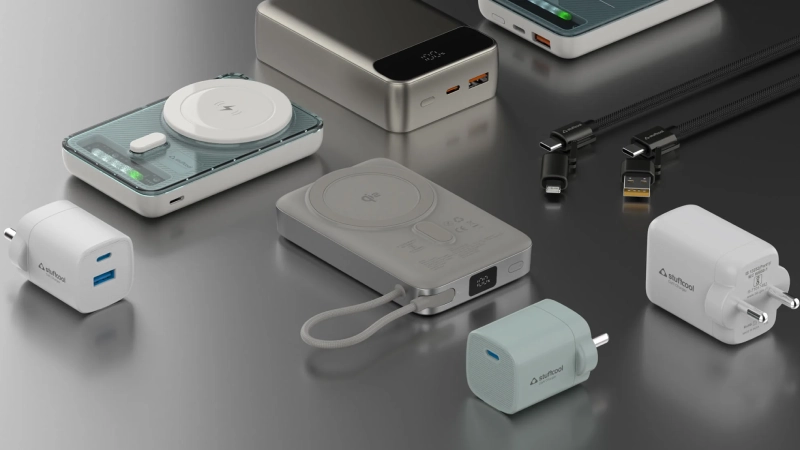

Highlights
- Ultra-slim power banks offer lightweight, pocket-friendly portability for daily charging needs.
- Their thin design limits usable capacity, output stability, and long-term thermal performance.
- Light users benefit most from 5,000–10,000 mAh slim banks for quick top-ups and emergencies.
- Heavy travelers and multi-device users should choose higher-capacity or hybrid power banks.
Introduction
In 2025, with smartphones, tablets, earbuds and other gadgets becoming inseparable companions for most of us, portable charging solutions remain indispensable. As people move between classes, travel, study sessions, and social routines, carrying bulky chargers is inconvenient. That’s where ultra-slim power banks step in — designed for maximum portability, easy pocket carry, and light travel.
But the appeal of convenience doesn’t come without compromises. Slimness tends to limit battery capacity, output performance and thermal reliability. This article explores what ultra-slim power banks are, why they’re attractive, where they fall short, and who should — or should not — depend on them in 2025.
What is meant by “ultra-slim” and the reasons why consumers opt for them?
Typically “ultra-slim” refers to a power bank that is thinner than usual (approximately 10-12mm thick and under) and weighs very little when compared to similar products on the market. The concept is that an ultra-slim power bank can be stored inside a pocket or purse without adding extra weight and bulk to either item; it can easily be accessed whenever there is a need to recharge an electronic device.
Slim power banks have several advantages:
They are very portable — many people would prefer to use a slim power bank every day or on their travels where they are packing lightly.
Lightweight and pocket-friendly — students, commuters, and busy professionals can carry these types of power banks easily.
They also generally provide ample capacity for one or two full smartphone charges, which is all that many people need.
Consumers whose primary use of charging stations is for mobile phones, earphones and occasional top-off charges, as well as who appreciate portability more than bulk, will find that ultra-slim banks provide the best option for combining convenience with adequate power.
Limitations Of Small Designs
Cleaning power banks often have limited performance due to the thinness of the design. User experience reports and tests support the pattern of weakness.
Reduced usable capacity
Power bank manufacturers first specify the capacity rating as mAh. However, the actual usable energy is reduced due to two characteristics of the slim design (limitations to design & losses due to voltage conversion). In tests, ultra-slim versions delivered only 60 to 70 percent of their rated capacity.
A 10,000 mAh slim model likely only provides the client with a single full charge to today’s smartphones (typically 4,000 to 5,000 mAh) and perhaps some additional power but definitely doesn’t provide multiple full charges.
Output power and charging stability
Due to confined space, a slim design cannot support the size of the internal components. This impacts the amount of sustained output power that the bank will provide to devices. Under moderate to heavier loads (use cases include fast charge, run tablets, run multiple devices), ultra-thin models will often reduce output power or will throttle down output power.
Some of the super thin model options have been tested for failure to meet sustained output performance expectations of USB-C Power Delivery cycles, especially for energy-hungry devices.
Thermal constraints and life expectancy
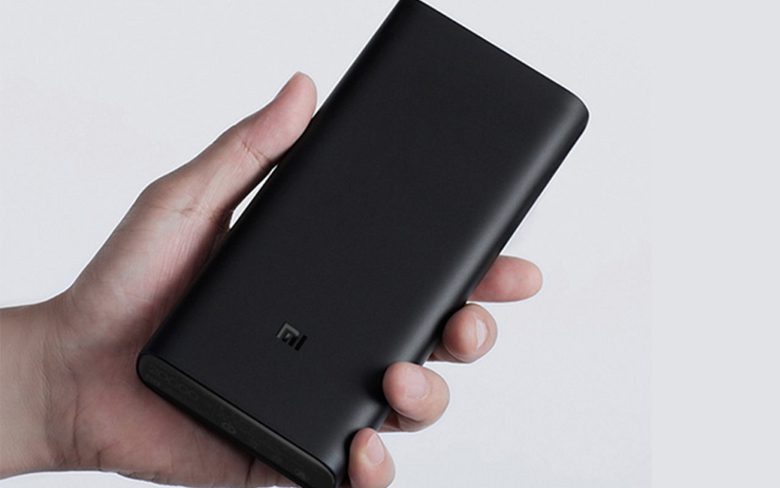
Because a slim bank has significantly less internal volume and a lower thermal mass, any heat produced during the charging or discharging of energy will remain.
The article explains that slim design, ie. less internal volume and lower thermal mass, and consequently less heat dissipation potential, and therefore faster degradation of battery health through use. People who use ultra-slim power banks multiple times daily with high wattage devices will likely require more frequent recharges.
Many ultra-slim power banks will only have one or two ports available, with no high-wattage outputs for charging tablets or laptops, due to the limited physical space available. These users will be at a severe disadvantage, since it will typically not be possible to charge multiple devices concurrently.
Ultra-slim Power Banks Are Ideal For
– Users with a primary device (smartphone or other small device) that requires a quick battery boost.
– Students, commuters, or travelers who want convenience and portability.
– Light users of devices (earbuds, smartwatches, etc.) who do not need more than one full charge regularly.
– Individuals looking for a backup battery to take with them in case of emergencies or on short trips.
Ultra-slim Power Banks Are Not The Best Option For
– Individuals requiring to fully recharge a device multiple times daily (such as those traveling frequently, vlogging, gaming, or using tablets/laptops).
– Users of high wattage devices that need simultaneous charging of multiple devices.
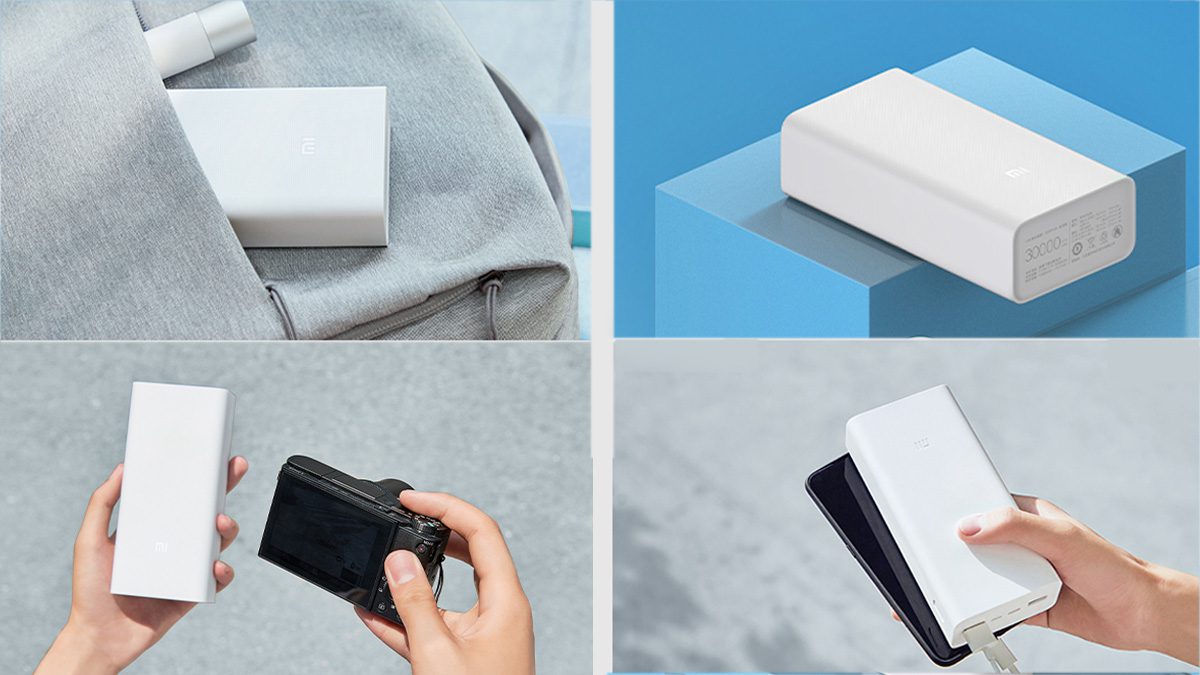
Things to Consider Before Purchasing a Slim Power Bank (2025 Buying Guide)
1. Verify what actual capacity is measured. Look for reviews of these products that report how much energy can be produced; do not rely solely on the stated rated mAh. The amount of usable energy available to you will be more beneficial than how manufacturers advertise it.
2. Look for USB-C power delivery (PD) charging ability; if you are looking for fast charging on your device, it is important that the bank has stable PD charging capabilities as opposed to basic USB-A. Slimmer power banks generally do not maintain consistent PD charging levels under loads.
3. Keep in mind that the thinner a power bank, the less likely it will provide power during stress loads; typically, power banks that are less than 9mm thick are extremely thin, but as a result may have less ability to deliver power. Slightly thicker power banks with power delivery designs may be more dependable and safe for everyday use.
4. Determine how many ports you will need; if you intend to charge multiple devices (i.e tablets or laptops) at once, ensure that the device has enough ports and enough wattage rating to charge each device properly.
5. Verify that your prospective purchase has safety certifications; batteries manufactured with lithium-ion chemistry that carry IEC Certification or UL Certified labels are far more dependable than unbranded batteries.
Conclusion
Slim power banks have a “Daily Tool” and a very small use tool for daily use! Ultra slim-styled Powerbanks made by well-known suppliers can be used for daily charges of smartphones or tablets, as well as used with multiple devices throughout your travels; so long as you keep all requirements to a minimum. Also, Ultra Slim-Powerbanks do provide enough capacity to handle some minor use but are not able to handle high-volume applications where the charge is required to be constant due to increased constant usage.

Overall, if portability and convenience are a higher priority for you, Ultra Slim-Powder Banks are a good choice. For continued long-term usage of electronic devices requiring continual charging, utilizing either higher-capacity produkts and/or hybrid produkts for the best value of money and long-term durability is the way to go.
Your “USE” will be based on how you use it, how much charge you use, and how you must keep it charging at a maximum level while keeping your product in the optimal temperature. Hence, it’s important to always look beyond marketing labels when determining which powerbank best suits you.

Comments are closed.