
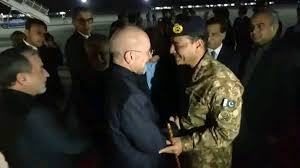

In the high-stakes world of international relations, every gesture matters even the clothes a leader wears. Pakistan’s Army Chief, General Asim Munir, has recently sparked a wave of analysis across diplomatic circles for his “wardrobe strategy.” From wearing a crisp military uniform for some guests to opting for a formal civilian suit for others, Munir is sending a clear, non-verbal message about Pakistan’s shifting priorities and its delicate balancing act between the East and the West.
The Military Uniform: A Message of Strength to Iran
When dealing with regional neighbors, particularly Iran, General Munir is almost always seen in his full military regalia. This isn’t just about tradition; it’s about projecting authority.
Border Security: By wearing the uniform, he signals that issues with Iran—such as border management and counter-terrorism—are strictly matters of national security.
The Power Center: It reinforces the idea that the military is the primary decision-maker in Pakistan’s relationship with Tehran, especially during times of tension.
The Civilian Suit: Why the USA Sees a Different Side
In a striking contrast, when General Munir interacts with high-ranking officials from the United States or travels to Washington, he often swaps his olive greens for a sophisticated civilian suit. This stylistic shift is a calculated move for several reasons:
Soft Power Projection: A suit portrays a more approachable, diplomatic image to the West, moving away from the “military-led state” stereotype.
Economic Engagement: With the U.S., the conversation often revolves around IMF deals, investments, and technology. A suit fits the boardroom atmosphere better than the battlefield.
Democratic Facade: It subtly aligns with Western values of civilian supremacy, even if the internal dynamics of Pakistan suggest otherwise.
A Diplomatic Tightrope: Balancing Superpowers
General Munir’s “double avatar” highlights the immense pressure on Pakistan. On one side, it must maintain a hardline security stance with its neighbors to prevent spillover conflicts. On the other, it is desperate for Western financial support to stabilize its dwindling economy.
Experts suggest that this “suit vs. uniform” tactic is a way to tell the world that Pakistan can be both a formidable military force and a professional diplomatic partner simultaneously.
The Global Reaction: Is the World Buying It?
While the change in attire may seem like a minor detail, intelligence agencies and diplomats watch these cues closely. While the U.S. welcomes the professional “suit-and-tie” engagement, regional rivals like Iran remain wary of the military “uniform” presence on their borders. For Munir, the goal remains clear: use every tool available even fashion to navigate Pakistan through its current geopolitical storm.
Read More: Uniform vs. Suit: The Hidden Meaning Behind General Asim Munir’s Wardrobe Diplomacy

Comments are closed.