

- A big leap of ‘Make in India 2.0’
- India’s leadership in high-tech manufacturing
- India will become the car manufacturing hub of the future
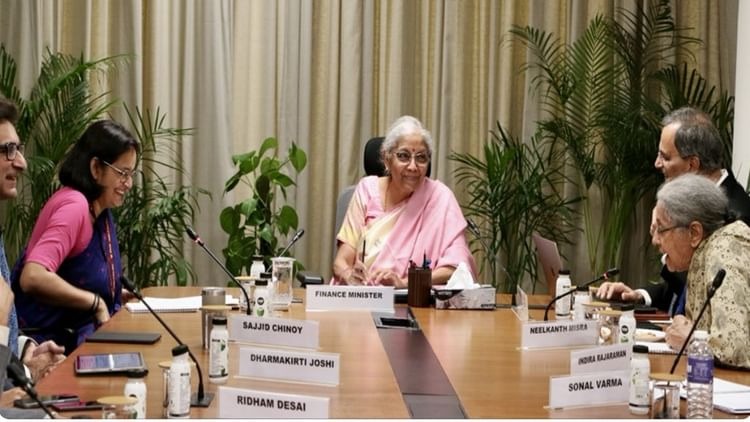
Union Budget 2026: Union Budget 2026 presents a roadmap to make India a global manufacturing hub through ‘Make in India 2.0’. The finance minister announced a new stimulus package worth Rs 23,000 crore, which widens the scope of the Production Linked Incentive (PLI) scheme to reduce import dependence on China and other countries. The primary objective of this strategic initiative is to strengthen domestic production in high-tech sectors such as semiconductors, auto components and capital goods. This visionary government initiative will not only revive indigenous industries but also create lakhs of direct and indirect employment opportunities.
India is moving towards ‘self-reliance’ in manufacturing, particularly focusing on sectors with a high import share. As per the new budget provisions, up to Rs 16,000 crore has been earmarked for construction machinery and production of high-end capital goods. Its direct aim is to reduce dependence on China by 50% for heavy equipment such as tunnel boring machines and cranes.
Also read: India Iran Trade: Revolution in Iran raises India’s concerns; 2000 crore worth of goods at the port, if the government changes, exporters will suffer losses
The budget proposes a Rs 7,000-crore special Global Value Chain (GVC) scheme for the automobile sector, which will focus on cutting-edge technologies. Under this plan, components such as Advanced Driver Assistance Systems (ADAS), sensors and 360-degree cameras will now be manufactured in India. This will not only reduce vehicle costs but also position India as a secure global supply chain for future car manufacturing.
AI and Space Make in India 2.0 is not limited to traditional manufacturing but also includes Artificial Intelligence (AI) and space technology. As per the recommendations of the industry, the government has expanded the PLI scheme for innovation and research (R&D) in new technology areas. This move will help India lead the fourth industrial revolution and increase its share of the global technology market.
Also read: RBI Gold Reserves 2025: Gold Safer Than Dollar? Changes in foreign exchange reserves due to RBI’s strategy
To make production cost-effective, the government aims to reduce logistics costs from the current 13% to 8% of the global level. Budget 2026 emphasizes on integration of infrastructure development and PM Gati Shakti Yojana, which will ensure faster and cheaper movement of goods. The reduction in production costs will enable Indian products to compete with countries like China and Vietnam in the international market.
This massive expansion of the PLI scheme is estimated to create approximately 1.5 million new jobs over the next five years. The government has also provided special incentives and soft loans to connect MSME units with key supply chains. This inclusive approach will enable small entrepreneurs to become part of large enterprises and create a new wave of industrial development even in rural areas.

Comments are closed.