
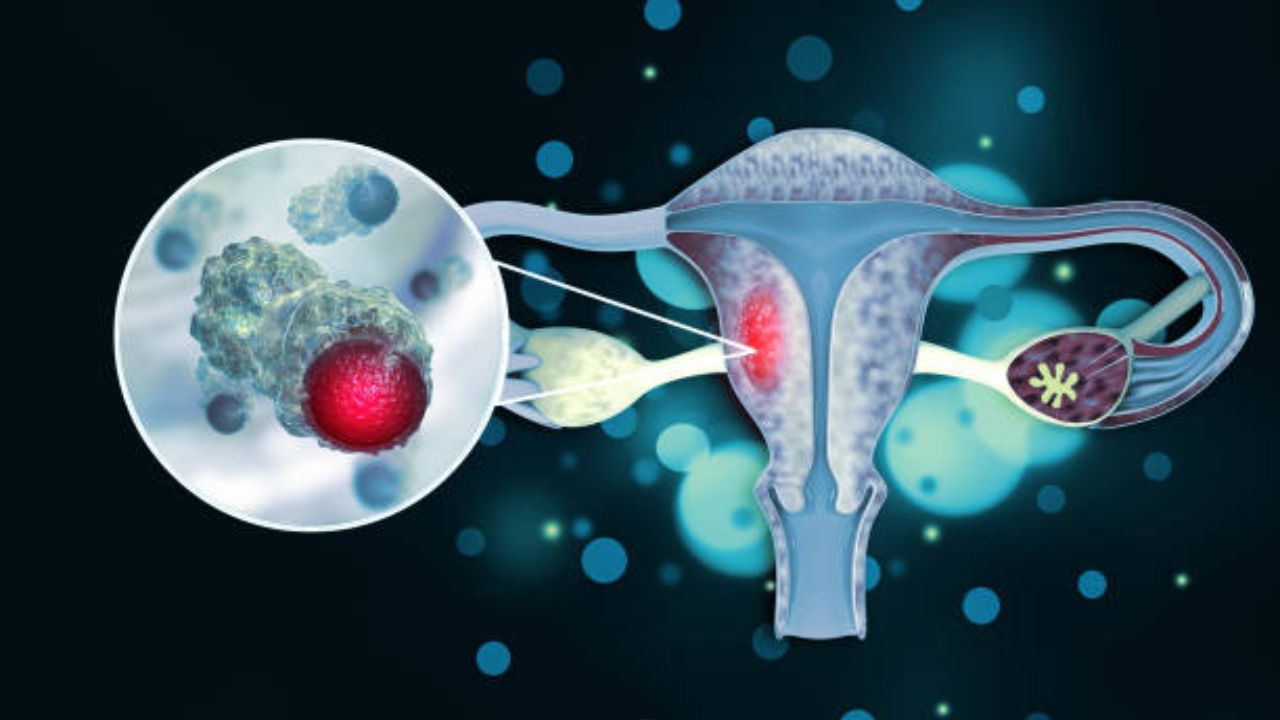
Urgent to increase HPV vaccination among adolescent girls; A great opportunity to avoid the risk of cervical cancer

Although cervical cancer is one of the most preventable cancers, its prevalence is still alarming in low- and middle-income countries like India. The leading cause of this cancer is chronic infection with high-risk types of human papillomavirus (HPV). Dr. Asha Dalal, Director – Department of Obstetrics and Gynaecology, Sir HN Reliance Foundation Hospitalhas given detailed information about this. (Photo courtesy – istock)
Menstruation not coming on time? Then if you consume ‘these’ foods from grandmother’s bag, there will never be any change in the menstrual cycle
Disease progression and the role of vaccination
The journey from HPV to cervical cancer is a multi-step process. When high-risk HPV types (especially 16 and 18) persist in cervical cells for long periods of time, they incorporate their genetic material into the cells. This produces oncoproteins called E6 and E7, which inactivate important tumor-suppressor proteins (p53 and pRb) in the body. As a result the cells grow out of control and progress through the stages of dysplasia (CIN) to become cancerous.
Clinically, HPV infection often occurs soon after sexual activity begins. Many times the body’s immune system clears the infection, but sometimes it persists and develops into CIN. Over a period of years to decades, this change can slowly turn into cancer if not diagnosed and treated on time.
HPV vaccination given in adolescence is highly effective in stopping this process. This vaccine produces strong antibodies in the body, which prevent the virus from entering the cells. If given before exposure to the virus, the vaccine is more than 90% effective.
Risks of late or missed vaccinations
If vaccination is delayed or missed, teenage girls are at risk of HPV infection, which increases the risk of future cancers. Since this vaccine is prophylactic, it cannot cure a previous infection. Therefore, getting the vaccine late increases the chance of infection. This increases the risk of cervical, rectal and pharyngeal cancer as well as genital warts.
Suitable age for vaccination: 9 to 14 years
This age is considered best for two reasons:
High immune response: At a young age, the body produces more antibodies. Therefore, only two doses are sufficient for girls under 15 years of age. If the vaccine is given at this age, the body is already prepared.
The benefit of the vaccine does not decrease with age, but it is used as “partial protection” rather than “full protection” because the chance of exposure to certain HPV types increases by that time. Vaccination may be beneficial up to age 26 (and sometimes beyond), but may be less effective.
Additional preventive measures and updated screening guidelines (2026)
Screening is also required for vaccinated women.
Ages 21–29: Pap test required every 3 years. HPV testing is avoided at this age because the body can clear the infection on its own.
Ages 30–65: A primary HPV test is recommended every 5 years.
From 2026, women have been given the option of self-collection, which is considered equally effective.
Lifestyle and behavioral measures:
Avoid smoking: Tobacco weakens the body’s immune system and damages cells.
Safe sex: Although condoms do not provide 100% protection, they reduce the risk of infection.
Balanced diet: A diet rich in vitamins A, C, E and folate helps in DNA repair.
Keep your immune system strong: Getting enough sleep and keeping stress levels low is important.
Smartphone addiction has serious effects on the brain of children, revealed in research; Children in this age group are most vulnerable
Recognize early symptoms
In the early stages of cancer, there are no symptoms, but the following points should be noted:
Bleeding between periods
Bleeding after sex
Persistent abnormal discharge

Comments are closed.