
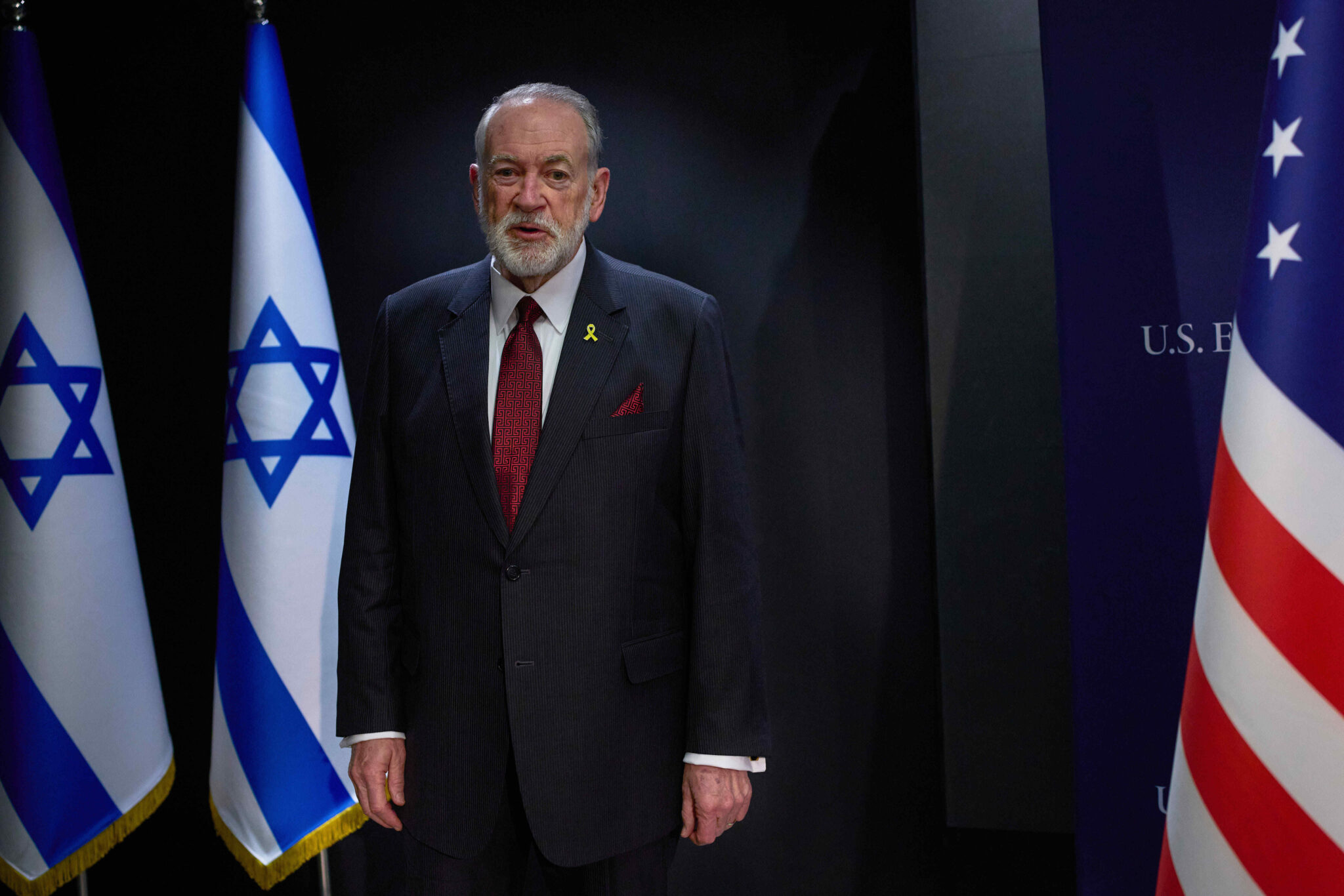

US Advises Embassy Staff in Israel to Leave Now, as War Risk Hangs over Middle East/ TezzBuzz/ WASHINGTON/ J. Mansour/ Morning Edition/ The U.S. Embassy in Israel has authorized voluntary departures for staff amid rising fears of conflict with Iran. Ambassador Mike Huckabee urged personnel considering leaving to do so immediately. The move comes as U.S.-Iran nuclear talks stall and military forces build up across the Middle East.
US authorizes Israel embassy departures amid tensions Quick Looks
- U.S. Embassy in Israel permits “authorized departure” for staff.
- Ambassador Mike Huckabee urged employees to leave promptly if they choose.
- Advisory follows stalled U.S.-Iran nuclear negotiations.
- Some airlines, including KLM, have suspended Tel Aviv flights.
- Other countries have also adjusted diplomatic staffing in the region.
- The U.S. has increased military deployments in the Middle East.
- Omani mediators report progress in talks despite no agreement.
Deep Look: US Advises Embassy Staff in Israel to Leave Now, as War Risk Hangs over Middle East
TEL AVIV, Israel — The United States has authorized voluntary departures for staff at its embassy in Israel, signaling heightened concern as tensions with Iran escalate and the possibility of military conflict looms over the region.
In an email sent Friday morning to embassy personnel, U.S. Ambassador Mike Huckabee informed staff that discussions with officials in Washington had resulted in approval for “authorized departure” — a status allowing diplomats and their families to leave the country if they choose.
According to a person familiar with the message who was not authorized to publicly disclose details, Huckabee urged employees considering departure to act without delay. The email, sent before 10:30 a.m., encouraged staff to secure any available outbound flight from Israel and make arrangements to travel onward to Washington.
“Those wishing to take AD should do so TODAY,” Huckabee wrote, using the standard diplomatic acronym for authorized departure. He cautioned that while flights may continue operating in the coming days, there is no guarantee they will remain available.
Despite the urgency of the message, Huckabee reportedly emphasized there was no need for panic. However, he advised that anyone planning to leave should finalize arrangements promptly.
Escalating Regional Tensions
The advisory came one day after U.S. and Iranian negotiators ended another round of nuclear talks without reaching an agreement. The breakdown has raised fears that diplomacy may give way to renewed confrontation, particularly as the United States has assembled a substantial military presence in the Middle East.
The buildup includes aircraft and warships positioned across the region, part of broader contingency planning as Washington weighs its options. The deployment has heightened anxiety among diplomatic missions and commercial carriers operating in Israel.
Several airlines have already responded to the deteriorating security environment. Netherlands-based KLM announced plans to suspend flights to and from Tel Aviv’s Ben Gurion International Airport. Other international carriers are reportedly reviewing their schedules amid uncertainty.
Other Countries Adjust Posture
The United States is not alone in taking precautionary measures. Australia earlier this week directed the departure of all dependents of its officials posted to Israel, citing the worsening regional security climate.
India and several European governments have also issued travel advisories, urging citizens to avoid travel to Iran and, in some cases, reconsider plans involving the broader region.
The authorization for embassy departures in Israel represents a new phase of risk management by diplomatic missions as uncertainty deepens.
Diplomatic Efforts Continue
Even as contingency plans advance, diplomatic efforts remain ongoing. Oman’s foreign minister, Badr al-Busaidi, who is mediating between Washington and Tehran, said Thursday that significant progress had been made in talks, though neither side announced a formal breakthrough.
Iranian Foreign Minister Abbas Araghchi offered few details following the latest negotiations but indicated that Tehran’s position had been clearly communicated.
For now, the U.S. Embassy’s move underscores the precarious moment in the Middle East — where negotiations persist, but the risk of escalation remains close at hand.
More on US News

Comments are closed.