
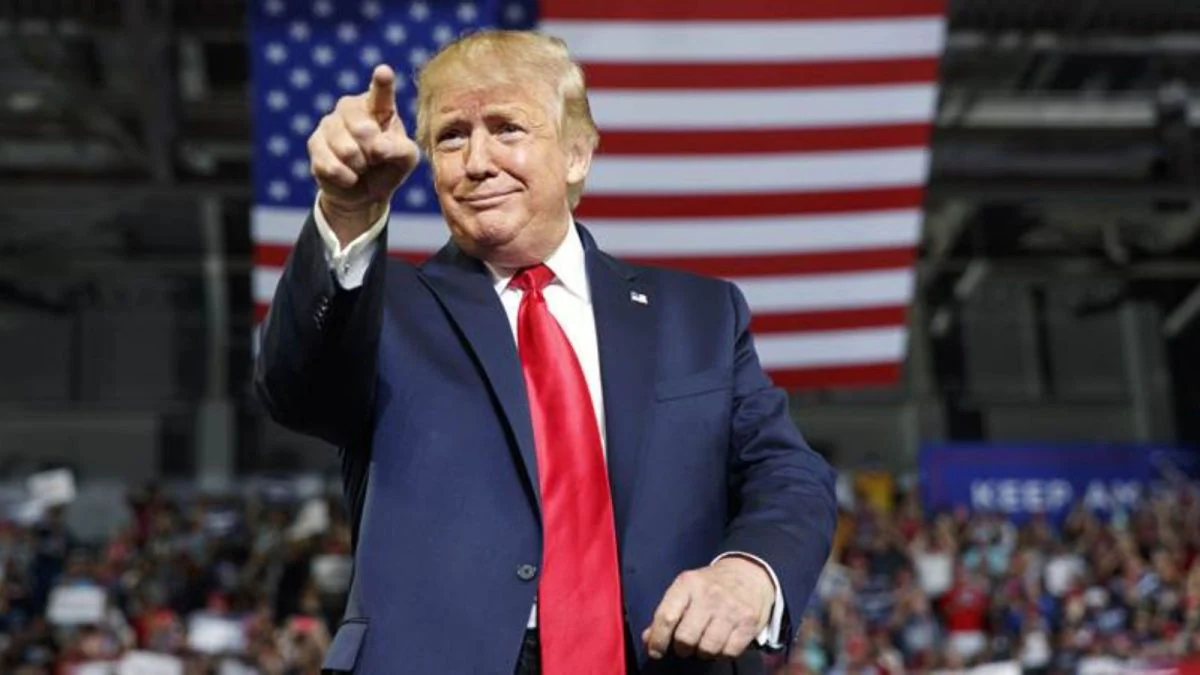

In a move that has quickly rattled global markets, U.S. President Donald Trump announced plans to increase tariffs on cars and trucks imported from the European Union to 25% starting next week. The decision marks a sharp escalation from the previously agreed 15% rate under last year’s trade deal.
Trump justified the move by accusing the European Union of failing to uphold its side of the agreement. According to him, the tariff hike is designed to push European automakers to accelerate production within the United States, where vehicles built locally would face zero tariffs.
Europe Pushes Back Hard
The response from Brussels was immediate and firm. The European Commission rejected claims of non-compliance and signaled that retaliatory measures remain on the table if the U.S. proceeds.
European policymakers didn’t hold back. Bernd Lange, who heads the European Parliament’s trade committee, described the move as unreliable and confrontational. Economists and industry leaders echoed the sentiment, urging EU governments to respond decisively, including considering tariffs on U.S. goods and taxes on American tech firms.
A Deal Under Strain
Here’s the crux of the issue: both sides had struck a deal last year to ease trade tensions. The U.S. reduced tariffs on European autos to 15%, while the EU agreed to eliminate duties on American industrial goods and align with U.S. vehicle standards.
But implementation has lagged. Legislative processes within the EU have slowed the rollout, with final approvals expected only by mid-year. Washington sees this delay as non-compliance; Brussels calls it procedural reality.
That disconnect is now spilling into policy.
Automakers Feel the Heat
The announcement sent ripples through financial markets. Shares of Ford Motor Company, General Motorsand Stellar all dipped following the news, reflecting investor anxiety over a prolonged trade conflict.
European manufacturers, many of whom already have production bases in the U.S., now face renewed uncertainty. Mercedes-Benzfor instance, has ongoing expansion plans in Alabama but has already reported significant tariff-related cost pressures.
Industry insiders suggest companies are unlikely to make major production shifts until there is clarity on broader trade frameworks, particularly the upcoming review of North American trade agreements.
Geopolitics Adds Fuel to the Fire
This tariff decision doesn’t exist in isolation. It comes amid rising geopolitical friction between the U.S. and Europe, including disagreements over Middle East policy and defense commitments. Trump has recently criticized European allies over their stance on Iran and even hinted at reducing U.S. troop presence in key NATO countries.
The overlap of trade and geopolitics is making resolution more complicated—and potentially more volatile.
What Happens Next
Despite the sharp rhetoric, there is still a window for de-escalation. Trade experts believe the EU could fast-track parts of the agreement to avoid the tariff hike, while Washington may use the threat as leverage rather than a permanent shift.
But if neither side backs down, the result could be a full-blown trade standoff one that impacts not just automakers, but global supply chains and consumer prices.
For now, one thing is clear: the transatlantic trade relationship just got a lot more unpredictable.

Comments are closed.