
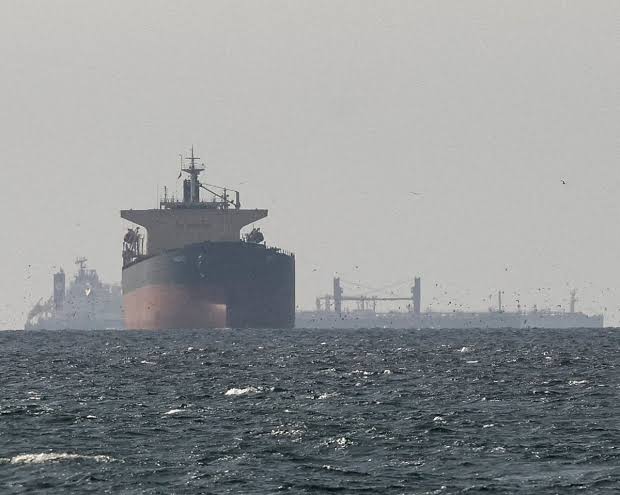

The United States has indicated that India may play a role in efforts to secure the strategically crucial Strait of Hormuzas global concerns grow over disruptions to one of the world’s most important energy routes.
Speaking at a press briefing, Chris Wrightthe US energy secretary, said Donald Trump is reaching out to several countries to form a coalition aimed at ensuring the safe flow of oil through the strait. The route has faced disruptions following US military strikes in Iran earlier this month.
US Seeking International Support
According to Wright, the US administration is actively engaging multiple nations to address the situation.
“President Trump told me he is reaching out to other countries to enlist their help to secure the Strait of Hormuz,” Wright said, adding that several nations have already expressed willingness to assist.
While he declined to officially confirm which countries had committed to supporting the initiative, Wright mentioned several key global economies, including China, Japanthe United Kingdom, France, South Koreaand Indiaas nations involved in discussions.
He emphasised that many Asian countries depend heavily on energy shipments passing through the Strait of Hormuz.
“The world depends on the flows through Hormuz. Asian nations such as Japan, Korea, China, Thailand, and India receive a meaningful share of their energy supplies through this route,” Wright said.
Coalition Plan Under Discussion
The remarks come after a report by Axios indicated that Donald Trump is working to assemble an international coalition to reopen and secure the Strait of Hormuz. The report cited multiple sources familiar with the discussions and suggested that an announcement could be made later this week.
However, some countries remain cautious. Sanae Takaichithe prime minister of Japantold parliament that Tokyo has not yet decided whether to deploy naval vessels to escort oil tankers through the strait.
“We have not made any decisions about dispatching escort ships. We are examining what Japan can do independently and within our legal framework,” Takaichi said.
Why the Strait of Hormuz Matters
The Strait of Hormuz is one of the most critical oil transit routes in the world. Energy analysts estimate that about one-fifth of global oil consumption passes through the narrow passage connecting the Persian Gulf with the Gulf of Oman.
Data from energy analytics firm Vortexa shows that between 2022 and 2023, roughly 17.8 million to 20.8 million barrels of crude oil and petroleum products moved through the strait daily.
Major producers within the Organization of the Petroleum Exporting Countries — including Saudi Arabia, Iran, United Arab Emirates, Kuwaitand Iraq — rely heavily on this route to export crude oil, particularly to Asian markets.
Following the recent tensions, global oil prices have surged to over $100 per barrel, highlighting the economic impact of disruptions in the region.
Iran’s Position
Meanwhile, Iran maintains that the Strait of Hormuz has not been fully closed. Iranian foreign minister Abbas Araghchi stated that the passage remains open to most international shipping.
He claimed the route is restricted only to vessels linked to the United States and Israelwhich Iran considers adversaries.
“As a matter of fact, the Strait of Hormuz is open. It is only closed to American and Israeli ships and tankers,” Araghchi said in a recent interview, adding that other vessels can still pass through the strategic waterway.

Comments are closed.