
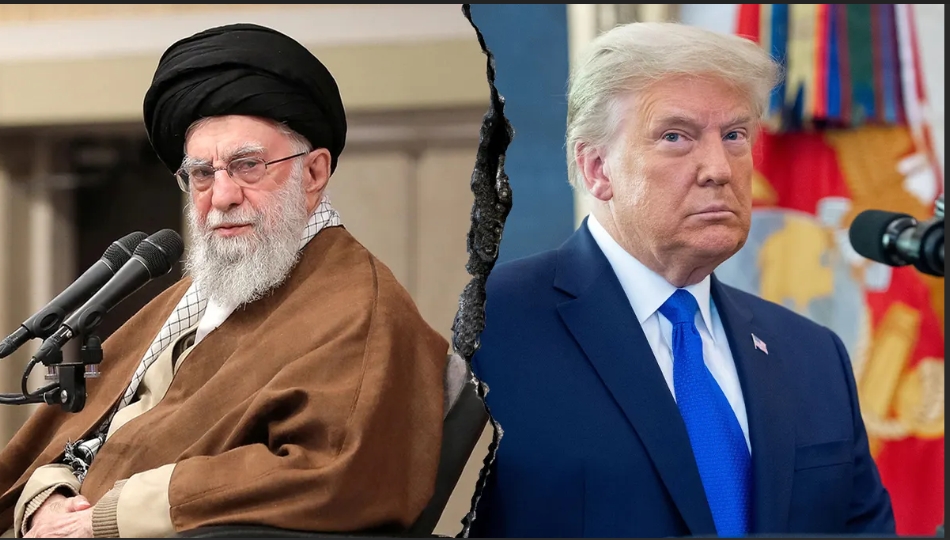

Diplomatic efforts have intensified to end the ongoing conflict between US-Iran. Mediators are pushing for a possible 45-day ceasefire that could reopen the Strait of Hormuz and make room for broader talks. However, any quick partial agreement is unlikely, and Iran has flatly refused to reopen the strait under any temporary arrangement.
A senior Iranian official told Reuters that Tehran would not reopen the vital waterway — through which about a fifth of the world’s oil passes — for any short-term cease-fire. He cited Washington’s lack of readiness for a permanent ceasefire behind this. Iran has received a framework proposal, brokered primarily by Pakistan, and also involving Egypt and Türkiye; Iran is currently reviewing it. The plan outlines a two-phase approach: an immediate or short-term ceasefire (some reports initially mention 15-20 days), followed by negotiations for a comprehensive and permanent solution.
US President Donald Trump has continued aggressive pressure. In recent social media posts, they issued profanity-laden warnings. They named Monday “Bridge Day” and Tuesday “Power Plant Day”, and threatened to attack Iran’s bridges and power plants if the strait was not reopened. He set a new deadline of Tuesday at 8:00 pm ET and warned Iran that they would be “forced to live a life like hell.” This sharp statement comes after the US operation in which two American pilots were rescued after a plane was shot down in Iranian airspace.
Possible main demands of US in any agreement
According to multiple reports based on ongoing talks, Washington is expected to emphasize the following:
– Immediate reopening of the Strait of Hormuz to restore global shipping and energy flows.
– Curbing Iran’s nuclear program, including verifiable limits on highly enriched uranium and monitoring mechanisms.
– Security assurances that Iran will not target US or Israeli assets in the region.
– A well-planned ceasefire leading to long-term de-escalation; This could potentially also include providing sanctions relief in exchange for Iran’s commitments.
Communications are being conducted through intermediaries and through direct text messages between US Special Envoy Steve Witkoff and Iranian Foreign Minister Abbas Araghchi. According to reports, mediators have told Tehran that the next 48 hours are the last chance to avoid a major conflict.
Iran remains adamant on demanding guarantees against future attacks and has shown reluctance to accept only temporary measures. The situation still remains extremely uncertain; As Trump’s term approaches, global energy markets and regional stability are at stake.

Comments are closed.