
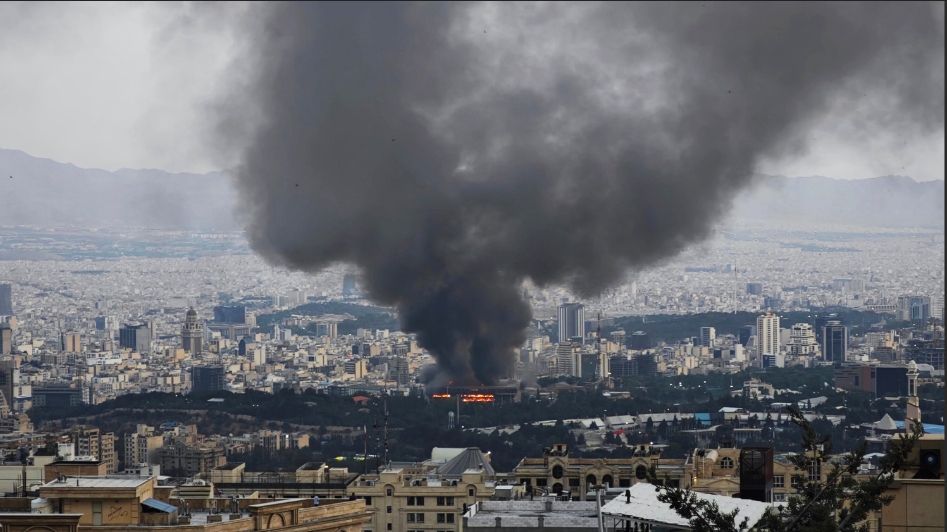

The US-Israel-Iran conflict, including attacks in the Strait of Hormuz, is escalating since late February 2026. This has caused a huge economic blow to Bangladesh. Bangladesh is dependent on imported energy and remittances from the Middle East. Economists are warning of a possible “earthquake”-like impact, which could be more than a temporary storm, according to Zahid Hussain, former lead economist at the World Bank in Dhaka.
Global oil markets have been volatile: during the crisis, Brent crude reached a high of $119 per barrel in 2026, from around $72 before the conflict, then fell to around $88-$90 on March 11, 2026. This increase has increased Bangladesh’s fuel import bill, as it is almost entirely dependent on imported crude, refined petroleum and LNG. Major shipping lines have halted bookings between the Indian subcontinent and Gulf ports, further exacerbating supply disruptions.
Immediate consequences included long lines at fuel stations due to panic buying, leading the government to impose rationing, emphasize conservation, and temporarily close universities to reduce consumption. Energy shortage threatens industries like power generation, transportation and ready-made garments (RMG), which account for more than 80% of exports. Higher costs could further exacerbate already high inflation (recently around 9-10%), reducing purchasing power of households and putting pressure on subsidies.
The crisis highlights three main vulnerabilities: energy prices are driving up import costs and the taka is depreciating; dollar pressure on forex reserves (already at a low of $18-20 billion); and trade/finance disruptions. There are also risks to the remittances needed to balance imports—Bangladesh has sent more than 8.6 million workers abroad by FY2025, of whom 4.5 million are currently in GCC countries (about half in Saudi Arabia). A slowdown in the Gulf may reduce inflows (45% from GCC in FY2025-26), leading to deterioration in the external balance.
Experts recommend separate energy sources and fiscal buffers, but a prolonged conflict could lead to chain reactions: weakened exports, migrant repatriation, and major instability in South Asia’s fragile economies.

Comments are closed.