

US Navy To Blockade Hormuz as Trump Moves to Stop Ships Paying Toll to Iran, Raising Global Tensions
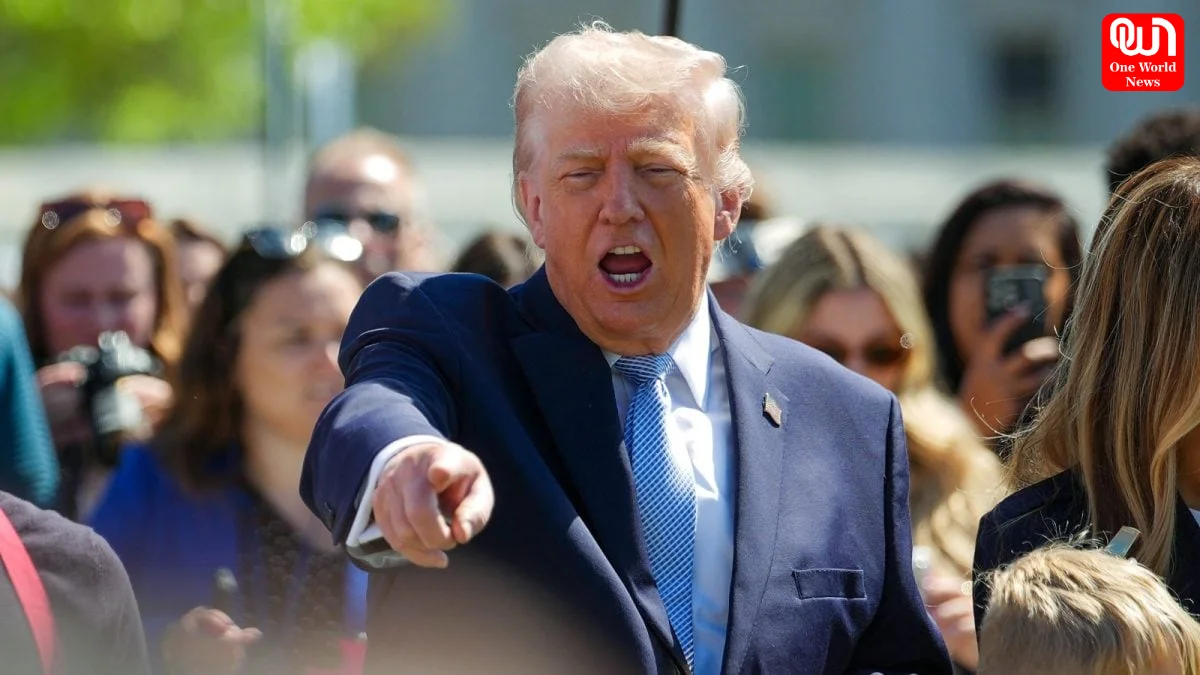
The announcement that the US Navy To Blockade Hormuz has sent shockwaves across global markets, geopolitics, and energy sectors. Former U.S. President Donald Trump declared that American naval forces would immediately begin enforcing a blockade in the Strait of Hormuz, aiming to stop ships from paying tolls to Iran and ensure what he described as “freedom of navigation” in international waters.
This dramatic move comes after failed diplomatic negotiations between the United States and Iran. According to reports, talks collapsed due to disagreements over Iran’s nuclear program and its refusal to halt enrichment activities.
Why the US Navy To Blockade Hormuz Matters
The Strait of Hormuz is one of the most critical maritime chokepoints in the world. Nearly 20% of global oil supply passes through this narrow waterway, making any disruption a major concern for economies worldwide. The decision that the US Navy To Blockade Hormuz is not just a military action—it is an economic and geopolitical turning point.
Iran had reportedly begun charging ships significant tolls—sometimes up to millions of dollars—for safe passage through the strait. The U.S. labeled this as “extortion,” arguing that international waters cannot be controlled in such a manner.
Read more: Iran Announces Alternate Transit Routes For Strait Of Hormuz After Closure Over Israel Strikes
Trump’s directive includes intercepting vessels that comply with Iran’s toll demands and even seizing ships if necessary. The U.S. Navy has also been tasked with removing naval mines allegedly deployed by Iran to restrict passage.
Escalation After Failed Talks
The decision to enforce that the US Navy To Blockade Hormuz came immediately after peace talks in Islamabad failed. U.S. officials stated that Iran’s unwillingness to compromise left them with no choice but to take stronger action.
Experts warn that such a blockade is not a simple operation. It could require a long-term military commitment and may provoke retaliation from Iran. The situation is already volatile, with both nations increasing military presence in the region.
Iran has responded strongly, warning that any interference in the strait would be considered a violation of international agreements and could trigger a forceful response.
Impact on Global Oil Prices
One of the most immediate consequences of the US Navy To Blockade Hormuz has been a sharp rise in oil prices. Following the announcement, crude oil prices surged past $100 per barrel, reflecting fears of supply disruption.
Markets across the world reacted quickly. Stock futures dropped, energy prices spiked, and analysts warned of inflationary pressures if the crisis continues.
For countries heavily dependent on oil imports—such as India, Japan, and South Korea—the blockade could significantly increase fuel costs and strain economic stability.
Strategic and Military Risks
Enforcing that the US Navy To Blockade Hormuz is a highly complex military task. The U.S. must monitor and potentially intercept hundreds of vessels in one of the busiest shipping lanes in the world.
Military experts highlight several risks:
- Potential clashes between U.S. and Iranian naval forces
- Threat of missile or drone attacks
- Disruption of commercial shipping beyond Iranian vessels
- Escalation into a broader regional conflict
Additionally, questions remain about whether U.S. allies will support the blockade. While Trump claimed that multiple nations would join, no official coalition has been confirmed so far.
Read more: Pakistan On High Alert For US-Iran Dialogue: Islamabad Red Zone Sealed
Legal and International Concerns
The move that the US Navy To Blockade Hormuz has also raised legal concerns. International maritime laws generally prohibit countries from restricting passage in global waterways like the Strait of Hormuz.
Critics argue that both Iran’s toll system and the U.S. blockade may violate these norms. This creates a complicated legal scenario where both sides claim to be protecting their rights while accusing the other of breaching international law.
What Happens Next?
The situation remains highly unpredictable. If tensions escalate further, the blockade could lead to direct military confrontation. On the other hand, some analysts believe the move is a pressure tactic designed to force Iran back to the negotiating table.
For now, the world is closely watching how the US Navy To Blockade Hormuz unfolds. The stakes are enormous—not just for the U.S. and Iran, but for global trade, energy security, and geopolitical stability.
In conclusion, Trump’s decision marks a critical moment in international relations. Whether it leads to conflict or compromise will depend on how both sides act in the coming days. One thing is certain: the Strait of Hormuz has once again become the center of global attention.
Comments are closed.