
‘Trump’s tariff is illegal’, big blow to the President from the US Supreme Court; Alleged violation of rights

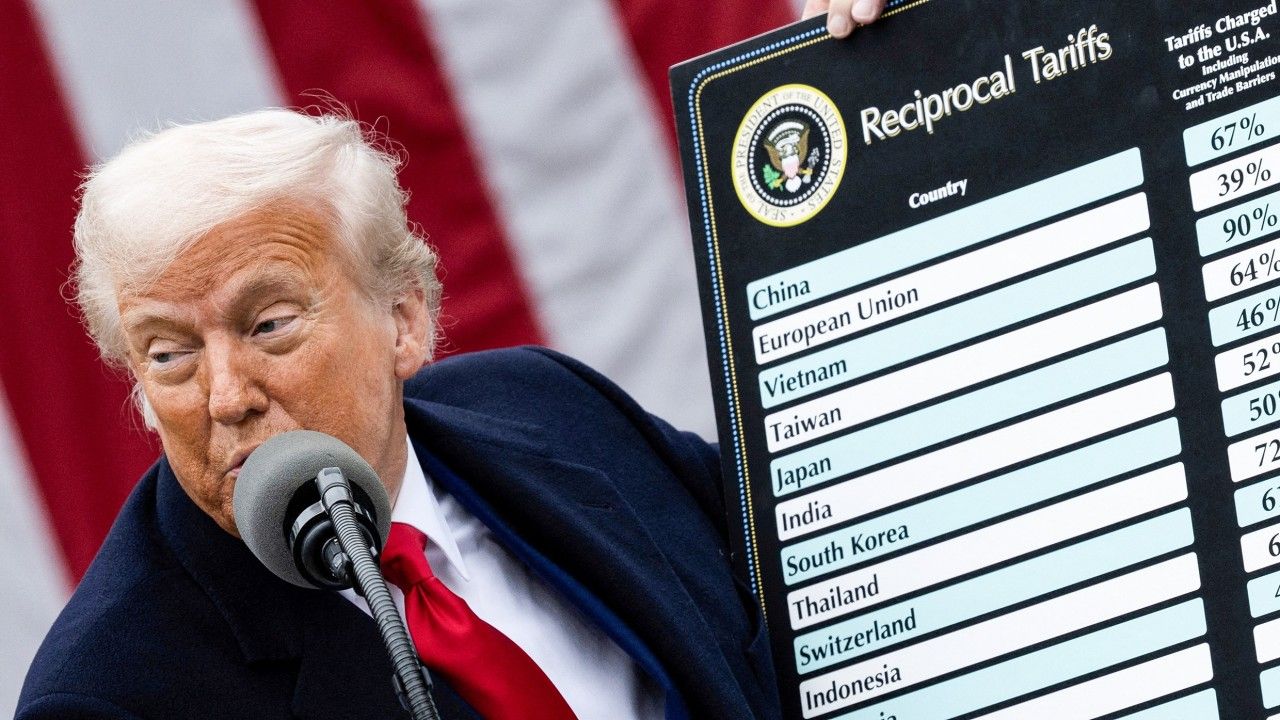
Trump Tariff Illegal: US President Donald Trump has faced his biggest defeat so far on the judicial front. The US Supreme Court on Friday canceled the global tariff imposed by President Trump on almost every country in the world, calling it illegal. The court made it clear in its decision that the President had violated his powers. Due to which a main pillar of his economic agenda has collapsed.
6-3 majority and the judges’ stance
The court gave this decision with a majority of 6-3. Chief Justice John Roberts, writing the majority opinion, stated that the Constitution very clearly gives Congress (the U.S. Parliament) the power to impose taxes, including tariffs. The framers of the Constitution did not delegate any portion of the taxing power to the executive branch (the President).
Surprisingly, two of the three judges appointed by Trump, Neil Gorsuch and Amy Coney Barrett, along with the Chief Justice and three liberal judges, voted against the President. Justice Brett Kavanaugh disagreed with this decision and Justices Clarence Thomas and Samuel Alito also stood in his support.
Legal background of the case
The Trump administration imposed these tariffs unilaterally using a 1977 emergency powers law. The Justice Department argued that the law gives the President the power to regulate imports during an emergency. However, challengers argued that the law does not contain a ‘tariff’ The word is not even mentioned. According to the Congressional Budget Office (CBO), these tariffs were estimated to have an economic impact of approximately $3 trillion over the next decade.
Also read:- Nepal: KP Sharma Oli’s litmus test in Jhapa-5, will Balen Shah be able to demolish the 34-year-old fort of former PM?
Stock market and the way to the future
After this decision of the court, slight movement was seen in the American stock market. The S&P 500 index rose 0.1% immediately after the decision. Experts believe Trump still has the option of imposing tariffs under some other legal provisions, although those processes are more time-consuming than the current system and impose tighter legal restrictions on the president’s authority.

Comments are closed.