
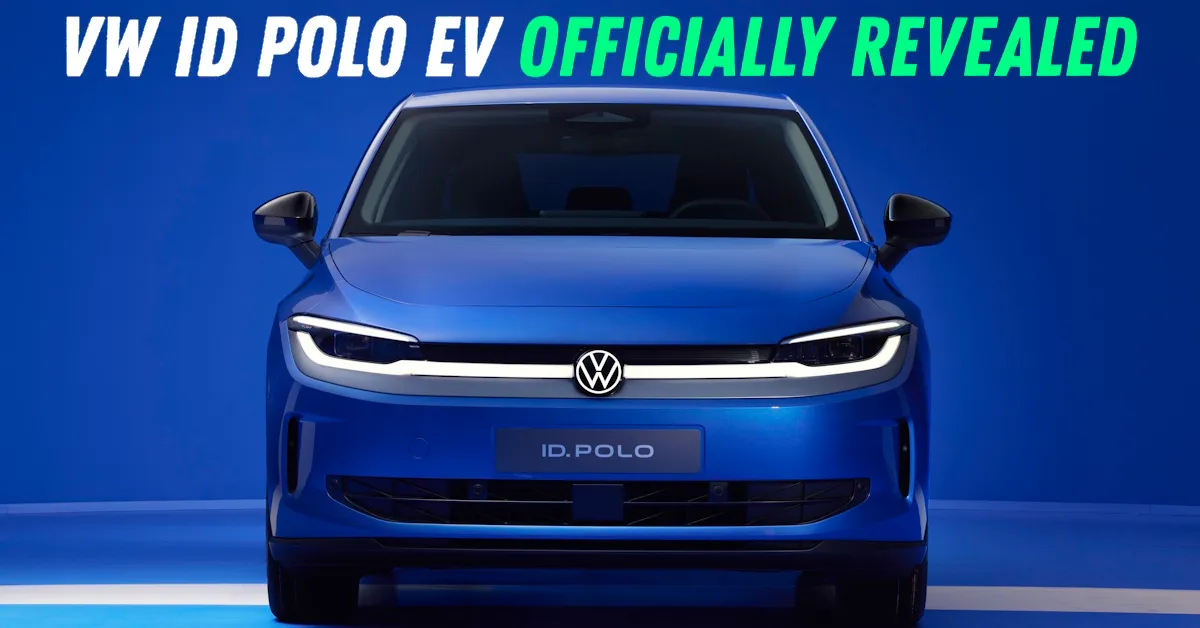

Volkswagen has officially revealed the ID. Polo, the first all-electric version of the Polo hatchback. This is an important model for the brand because it takes Volkswagen’s EV range into a smaller, more affordable part of the market than the larger ID.3, ID.4 and ID.7. Volkswagen says the entry-level ID. Polo will start at under 25,000 euros in Europe, and pre-sales are due to begin by the end of April 2026.
The new car is based on Volkswagen’s MEB+ platform and uses front-wheel drive, which is a change from the rear-wheel-drive layout seen on some larger ID models.
The ID. Polo will be built at the Martorell plant in Spain. Volkswagen is clearly trying to make this car feel more familiar and less experimental than some earlier EVs.
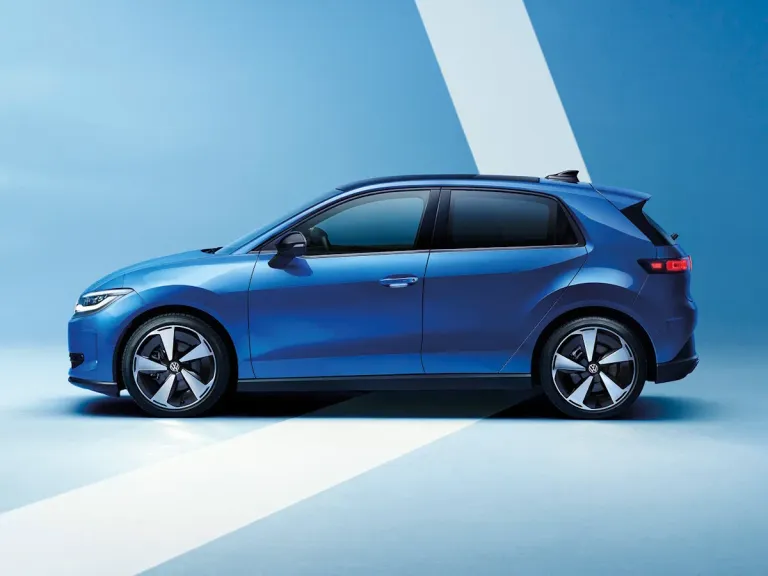
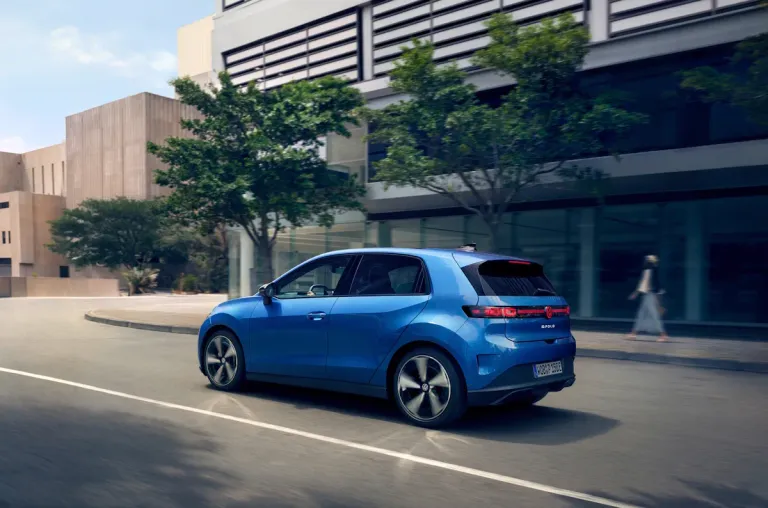
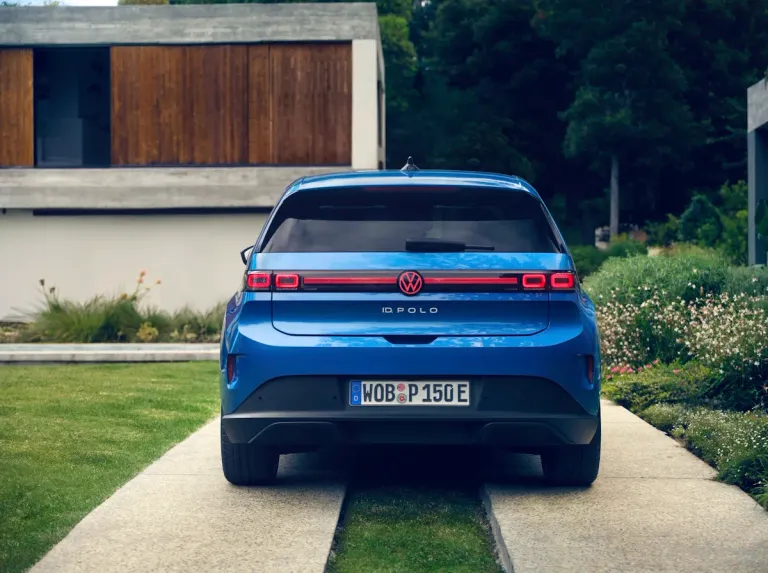
In terms of design, the ID. Polo stays close to the shape and proportions buyers expect from a compact hatchback. It gets a closed front section, connected LED lighting, an illuminated Volkswagen logo and a cleaner overall look, but it does not try to look radically different just because it is electric. That is probably the right approach for a car carrying the Polo badge.
Volkswagen says the car is 4,053mm long, with a 2,600mm wheelbase. That puts it close to the petrol Polo in size, but the electric platform helps free up more cabin room.
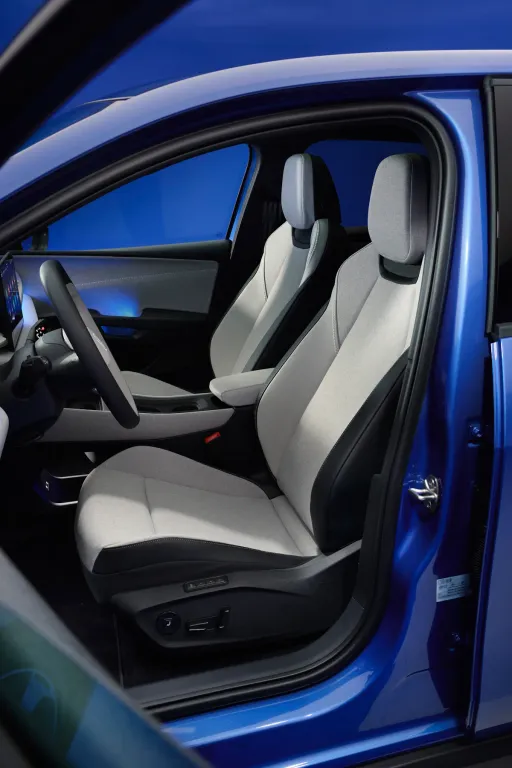
Rear-seat space is expected to be better than before, and boot space has gone up to 435 litres.
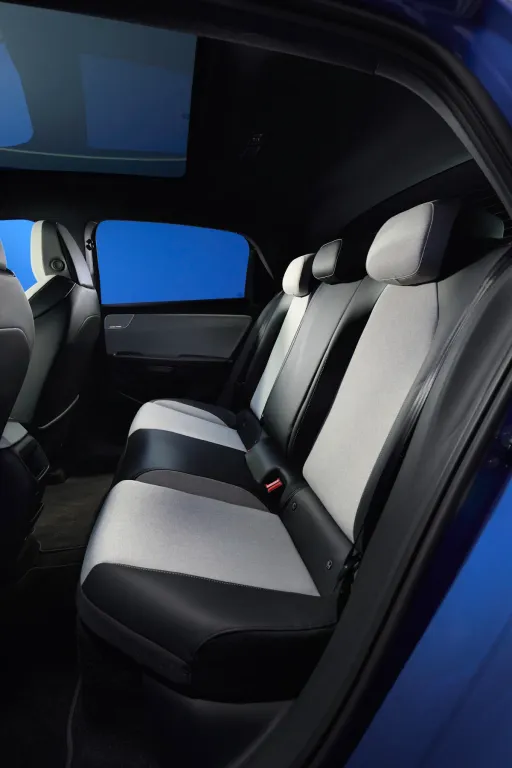
Fold the rear seats down, and luggage capacity rises to 1,243 litres. Those are useful numbers for a car that will be sold as an everyday hatchback, not a niche city EV.
Volkswagen will offer the ID. Polo with two battery options. Lower variants will use a 37 kWh battery and will be available with 116 Bhp or 135 Bhp. The larger 52 kWh battery will be paired with a 211 Bhp motor, while a hotter GTI version with 226 Bhp has already been confirmed for later. Volkswagen quotes a range of up to 450 Kms for the larger battery, while the 37 kWh version is expected to deliver around 329 Kms.
Charging speeds are sensible for this class. The 37 kWh battery supports DC charging up to 90 kW, while the 52 kWh pack can charge at higher speeds depending on version and market specification. In either case, this is being positioned as a practical small EV rather than a headline-grabbing performance product.
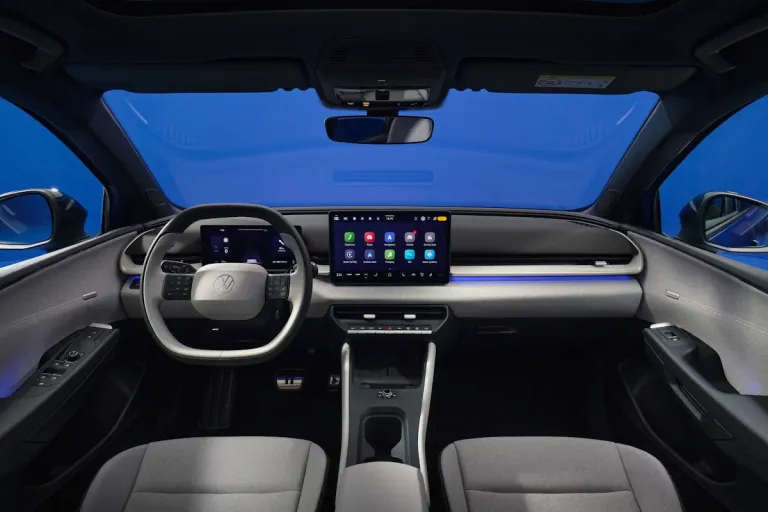
Inside, the ID. Polo gets a 13-inch touchscreen, a 10-inch driver display, physical controls for key climate functions, wireless smartphone connectivity, dual-zone climate control and a long list of optional features such as a panoramic roof, premium audio and powered front seats. The cabin is clean and modern, but not as sparse as some earlier EV interiors.
Volkswagen has not announced any plans for an India launch. That is the big unanswered question. On paper, the ID. Polo has a strong case here because the Polo name still has recognition and the brand currently has no compact hatchback in its local line-up. But price will decide everything.
As a full import, it would be far too expensive for the segment it is meant to serve. For this car to make real sense here, it would need local assembly or deeper localisation. For now, Volkswagen has only shown the car globally. The next question is the obvious one: will it come to India?
Comments are closed.