
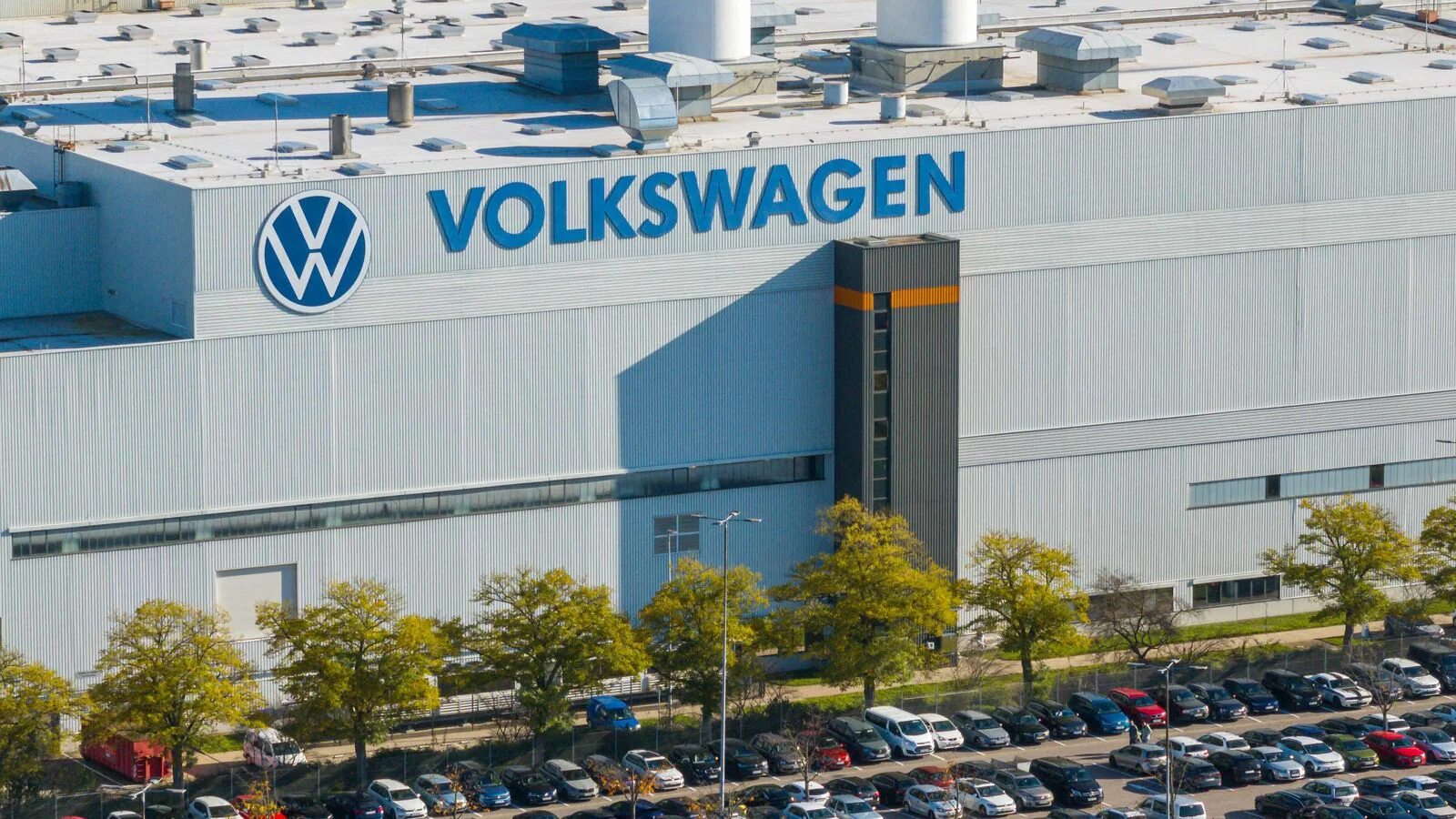

Volkswagen is facing a legal challenge in the United States after a group of dealers filed a lawsuit over the company’s plan to sell vehicles from its new Scout brand directly to consumers. The dealers argue that the move sidelines the existing dealership network and breaks long-standing franchise agreements that define how vehicles are sold in the American market.
The case underscores growing tension between traditional dealership systems and automakers experimenting with direct-to-consumer sales models, a strategy that has become increasingly common among electric vehicle startups.
What the Lawsuit Claims
At the center of the dispute is Scout Motors, Volkswagen’s American electric vehicle brand focused on rugged trucks and SUVs. The company intends to sell its upcoming models primarily online and through company-owned retail outlets rather than through Volkswagen’s established dealer network.
Dealers claim this approach violates their franchise rights. According to the lawsuit, Volkswagen’s dealer agreements require the company to supply vehicles to franchised dealerships instead of selling them directly to customers.
The complaint also argues that Scout is not truly independent from Volkswagen, despite being presented as a separate brand. Dealer representatives say Scout remains closely tied to the Volkswagen Group, meaning its direct sales strategy effectively puts the automaker in competition with its own dealers.
Beyond vehicle sales, dealers warn they could lose revenue from financing, service, and maintenance—key parts of dealership profitability that typically follow a car purchase.
Why Scout Matters to Volkswagen
Volkswagen revived the Scout nameplate as part of its strategy to expand in the U.S. electric vehicle market. The brand plans to produce an electric pickup called the Terra and an electric SUV known as the Traveler, both aimed at customers seeking rugged off-road capability combined with zero-emissions power.
Production is expected later this decade, and early reservations have already attracted significant interest from potential buyers.
For Volkswagen, Scout represents more than just a new vehicle lineup. The company sees it as an opportunity to launch a modern retail model centered on digital purchasing, transparent pricing, and direct relationships with customers.
A Broader Industry Shift
The legal fight reflects a wider debate within the automotive industry. As electric vehicle startups push direct sales through online platforms, traditional automakers are reconsidering whether the franchise dealership model still fits the future of car buying.
However, franchise laws in many U.S. states restrict manufacturers from bypassing their dealer networks. These laws were originally created to prevent automakers from competing against the very dealerships that invest heavily in selling and servicing their vehicles.
As legacy brands explore new retail strategies, those laws are increasingly being tested in court.
What Happens Next
The dealers behind the lawsuit are seeking financial damages and a court order that could block Volkswagen from selling Scout vehicles directly to customers. If the court sides with the dealers, the automaker may be forced to route Scout sales through its existing franchise network.
The outcome could shape how Volkswagen launches its new electric brand in the U.S. and influence how other automakers approach direct-to-consumer sales.
More broadly, the dispute highlights a critical question for the industry: whether the traditional dealership model can evolve alongside the digital, direct-sales approach that many EV brands are now embracing.

Comments are closed.