
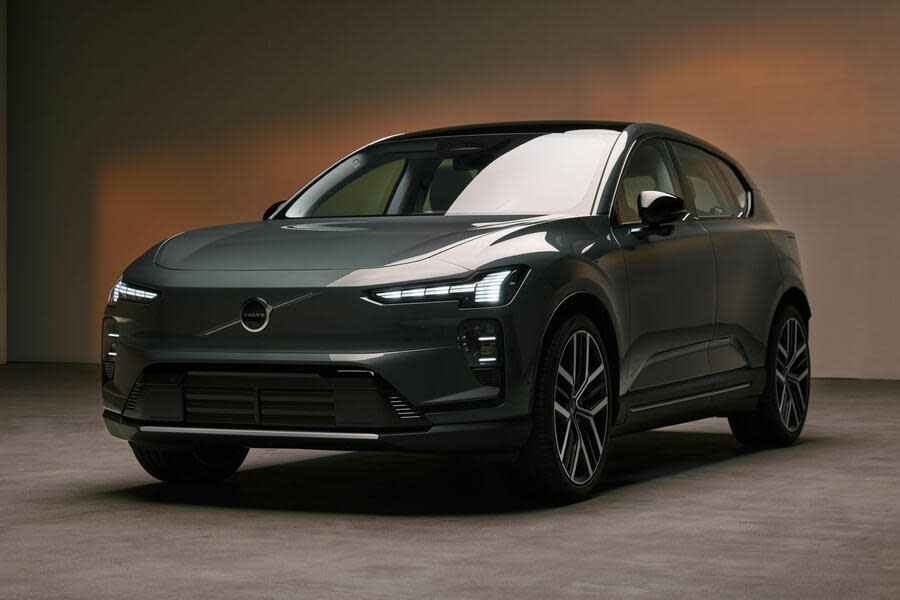

For the past few years, Volvo has leaned hard into SUVs. Five of its six current model lines sit high off the ground, and even the saloon-shaped ES90 carries crossover-like ride height. Traditional low-slung saloons and estates such as the S60 and V90 have quietly exited the line-up as the brand pivoted toward electric mobility and higher-margin body styles.
That strategy may no longer be set in stone.
Volvo’s next-generation SPA3 electric platform, now debuting under the upcoming EX60, has been engineered with far more freedom than anything the company has used before. And that freedom could reopen the door to proper saloons and estates that sit low, sleek, and closer to classic Volvo proportions.
SPA3 changes the EV packaging game
The biggest breakthrough with SPA3 is simple but powerful: battery size no longer dictates vehicle height. Unlike the earlier SPA2 architecture, which was adapted from combustion-era designs, SPA3 was designed purely for electric vehicles from day one.
According to Volvo’s chief technology officer Anders Bellremoving the constraints of engines, exhaust systems, and fuel tanks allows engineers to rethink how a car is built from the ground up.
The platform lets battery cells extend beyond the wheelbase and even ahead of the windscreen scuttle. This spreads capacity lengthways rather than widthways, avoiding the need for tall, slab-like floor structures that push seats and roofs upward. The result: cars can be lower without sacrificing range or interior comfort.
Why today’s EVs look like baby SUVs
Bell points out that many electric cars based on adapted ICE platforms end up wider and taller because batteries are forced to expand sideways. Rear-seat footwell depth becomes the limiting factor, pushing up overall height and giving many “low” EVs an SUV stance.
SPA3 avoids this by allowing selective cell placement. In lower vehicles, battery cells can be reduced in the rear footwell area, preserving natural seating positions. Similar “foot garage” solutions already exist in cars like the Porsche Taycanand Audi E-tron GTand Volvo can now apply that thinking across its range.
A realistic path back to S60 and V90
In theory, SPA3 makes it relatively straightforward for Volvo to develop a saloon sibling to the EX60, effectively reviving the S60 in electric form. Such a car would sit naturally against future rivals like the BMW i3, Mercedes C-Class EQand Audi A4 E-tron.
Bell stopped short of confirming any ES60-style model, but his comments were telling. SPA3, he said, can support cars that are “very low, like proper low,” with rooflines unaffected by battery packaging.
Demand will decide the future
The engineering is ready. The flexibility exists. What happens next depends on the market.
If buyers begin to push back against SUV dominance and show appetite for sleek saloons and practical estates, Volvo now has the technical freedom to respond quickly. After years of compromise-driven EV design, SPA3 could mark the return of electric Volvos that look, sit, and feel like the classics — just without the engine.

Comments are closed.