
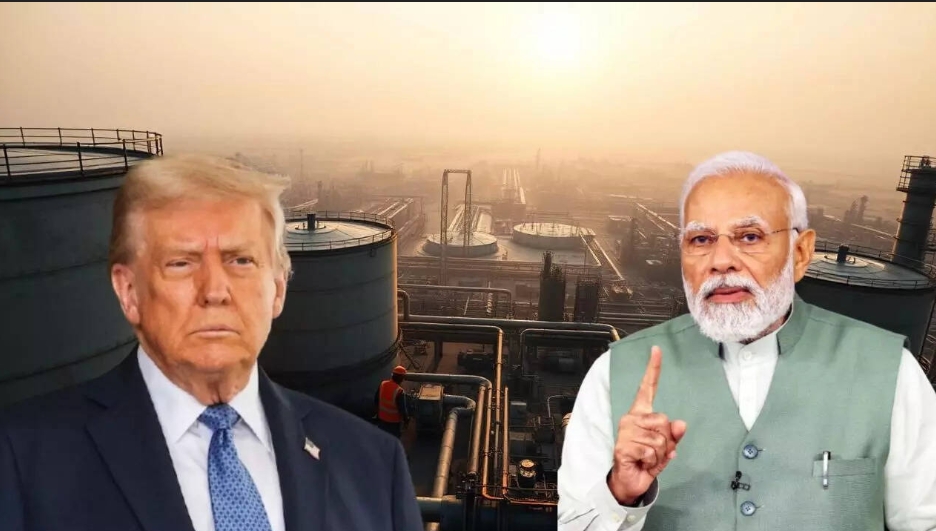

As the US-Israel-Iran conflict enters its 20th day—featuring frequent missile exchanges, attacks on energy infrastructure and no breakthrough in ceasefire talks—**India** has launched a series of high-level diplomatic meetings to safeguard its energy security and advocate for de-escalation.
Prime Minister **Narendra Modi** made several phone calls in which he stressed dialogue, peace and unhindered navigation through the **Strait of Hormuz**—a vital narrow passage that is being blocked by Iranian sanctions and threats, impacting global oil and LNG flows.
– **With Malaysian Prime Minister Anwar Ibrahim**, Modi extended greetings on Hari Raya Aidilfitri and discussed West Asia concerns, while reiterating his commitment to reduce tensions through diplomacy.
– **In conversation with French President Emmanuel Macron**, he stressed the urgent need for dialogue and continued coordination for regional stability.
– **With Sultan Haitham bin Tariq of Oman**, Modi extended Eid greetings in advance, condemned violations of sovereignty, appreciated Oman’s help in the safe return of Indians (thousands of whom were brought back), and reiterated his support for safe transit in the Strait of Hormuz.
– Modi expressed concern to King Abdullah II of Jordan over attacks on energy infrastructure; He described the attacks as reprehensible and escalated tensions, while supporting the unhindered movement of goods and energy; He praised Jordan for helping the stranded Indians.
– **Discussions with Crown Prince of Kuwait Sheikh Sabah Al-Khalid Al-Hamad Al-Mubarak Al-Sabah** included Eid greetings, shared concerns over current developments, condemnation of violations of sovereignty and prioritizing safe passage through the Strait of Hormuz.
These diplomatic efforts follow earlier interactions with other leaders in the Gulf region (e.g., UAE, Saudi Arabia, Qatar). India, which is heavily dependent on imports from the Gulf region (~40-50% of crude oil comes via Hormuz; and a large amount of LNG comes from Qatar), faces the risk of LPG, LNG and fuel shortages. This situation has arisen due to the halt in production at ‘Ras Laffan’ in Qatar, where a fire broke out following Iranian attacks, causing huge losses and leading to the declaration of ‘force majeure’ (unavoidable circumstances). New Delhi has ensured limited safe passage for some ships through direct negotiations with Iran and alternative efforts (such as increased efforts by the US and Australia). This diplomacy underlines India’s balanced approach—prioritizing the security of citizens, energy stability and the global call for restraint amid rising prices and widespread instability, while maintaining engagement with all parties.

Comments are closed.