


Catch up on the week’s most important business headlines, featuring key developments in industry, policy, technology, and global trade.
Adani Enterprises Enters Chemicals with Low-Carbon Manufacturing Push
Adani Enterprises Limited (AEL) has taken a significant step into the chemicals sector by partnering with French clean-tech company Dioxycle to develop low-carbon chemical manufacturing in India. The collaboration will begin with a pilot plant that produces formic acid using captured carbon dioxide and renewable electricity, demonstrating a cleaner alternative to traditional chemical production. If successful, the technology will be scaled up for commercial manufacturing. The move aligns with India’s sustainability goals while helping Adani diversify into high-value green industries. It also highlights growing interest in carbon capture and utilization technologies as businesses seek innovative ways to reduce emissions while creating commercially viable products.
Credits: ET Manufacturing
Novo Nordisk Launches World’s First Weekly Basal Insulin in India
Danish pharmaceutical giant Novo Nordisk has introduced Awiqli, the world’s first once-weekly basal insulin approved for clinical use, in the Indian market. Designed for adults with both Type 1 and Type 2 diabetes, the new treatment aims to replace the inconvenience of daily long-acting insulin injections with a single weekly dose. India is home to one of the world’s largest diabetic populations, making it a strategically important market for the company. The launch could improve patient adherence to treatment while intensifying competition in the diabetes care segment, where pharmaceutical companies continue to invest in innovative therapies that enhance convenience and long-term disease management.
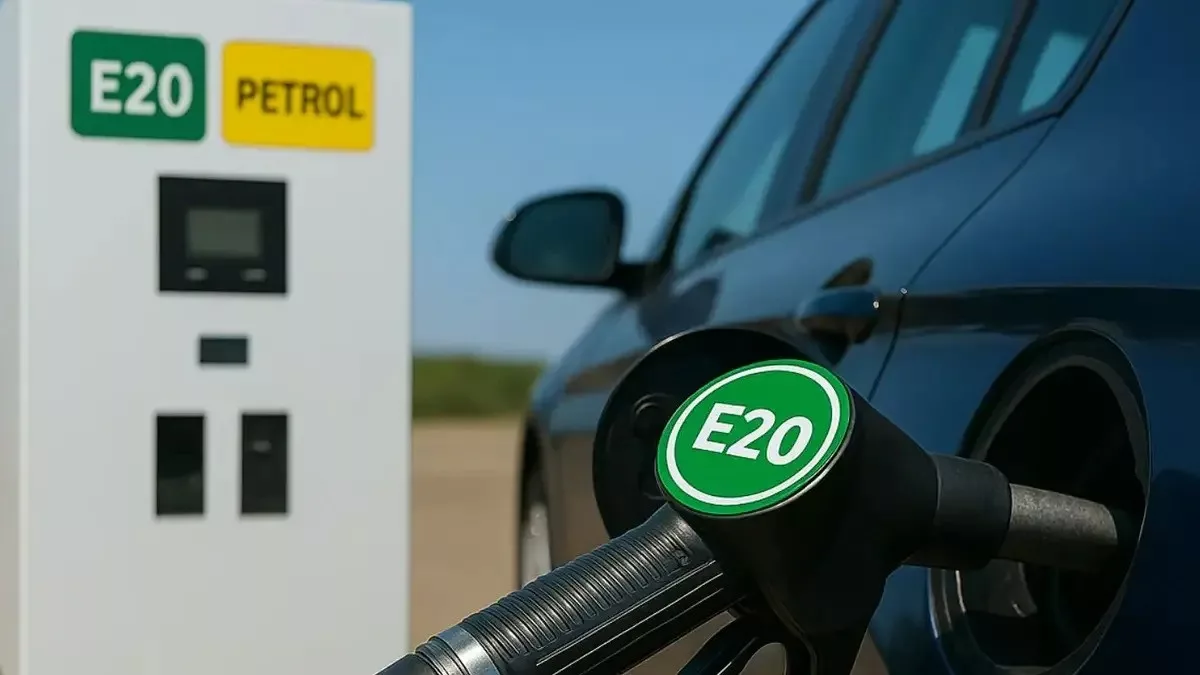
Government Explains Why E20 Fuel Isn’t Cheaper Despite Ethanol Blend
The government has acknowledged that E20 fuel, which contains 20% ethanol, may reduce fuel efficiency by around 3-5% in certain vehicles. It also clarified why the blended fuel is not cheaper than regular petrol despite containing domestically produced ethanol. According to officials, the pricing structure ensures farmers receive adequate compensation for ethanol production, especially when global crude oil prices remain around $70 per barrel. This policy supports India’s ethanol blending programme, which aims to reduce crude oil imports, lower emissions, and boost farmer incomes. While consumers may not immediately benefit from lower fuel prices, the government believes the long-term economic and environmental gains justify the current pricing approach.
Credits: Spinny
India-UK Trade Deal Opens Door for Lower-Duty Car Imports
The Indian government has announced the automobile import quotas and tariff structure under the India-UK Comprehensive Economic and Trade Agreement (CETA), which comes into effect on July 15. Under the agreement, up to 20,000 completely built petrol and diesel passenger vehicles from the UK will be allowed into India at concessional import duties ranging from 30% to 50%, significantly lower than the existing rates of 66% to 110%. The move is expected to make premium British vehicles more competitively priced in India while strengthening bilateral trade ties. However, domestic automakers will closely monitor the policy’s impact as increased competition enters the luxury automobile segment.
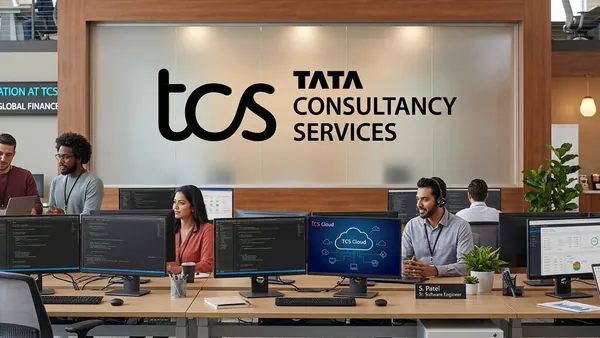
TCS Shares Rally as Strong Results Boost AI Growth Optimism
Shares of Tata Consultancy Services (TCS) climbed sharply after the IT giant reported quarterly revenue that exceeded market expectations. Strong deal wins and rising revenue from artificial intelligence-related projects reassured investors that demand for digital transformation services remains healthy despite global economic uncertainty. The company’s performance lifted the broader IT sector, with the Nifty IT index gaining around 2%, while also helping push the benchmark Nifty 50 higher. Analysts believe growing enterprise investments in AI, cloud computing, and automation could support a gradual recovery in earnings for India’s software exporters, making TCS a key beneficiary of the ongoing AI adoption wave.
Credits: Mint
NMDC Cuts Iron Ore Prices Amid Changing Market Conditions
State-owned mining company NMDC has reduced iron ore prices effective July 10, lowering the price of Baila Lump by ₹250 per tonne and Baila Fines by ₹150 per tonne. The revised prices now stand at ₹5,450 per tonne for Baila Lump and ₹4,700 per tonne for Baila Fines, excluding royalties, taxes, and other levies. The price revision comes as steel demand and global commodity markets continue to adjust to changing economic conditions. Lower iron ore prices could provide some relief to steel manufacturers by reducing input costs, although the overall impact will depend on broader market demand and international raw material trends.

Comments are closed.