
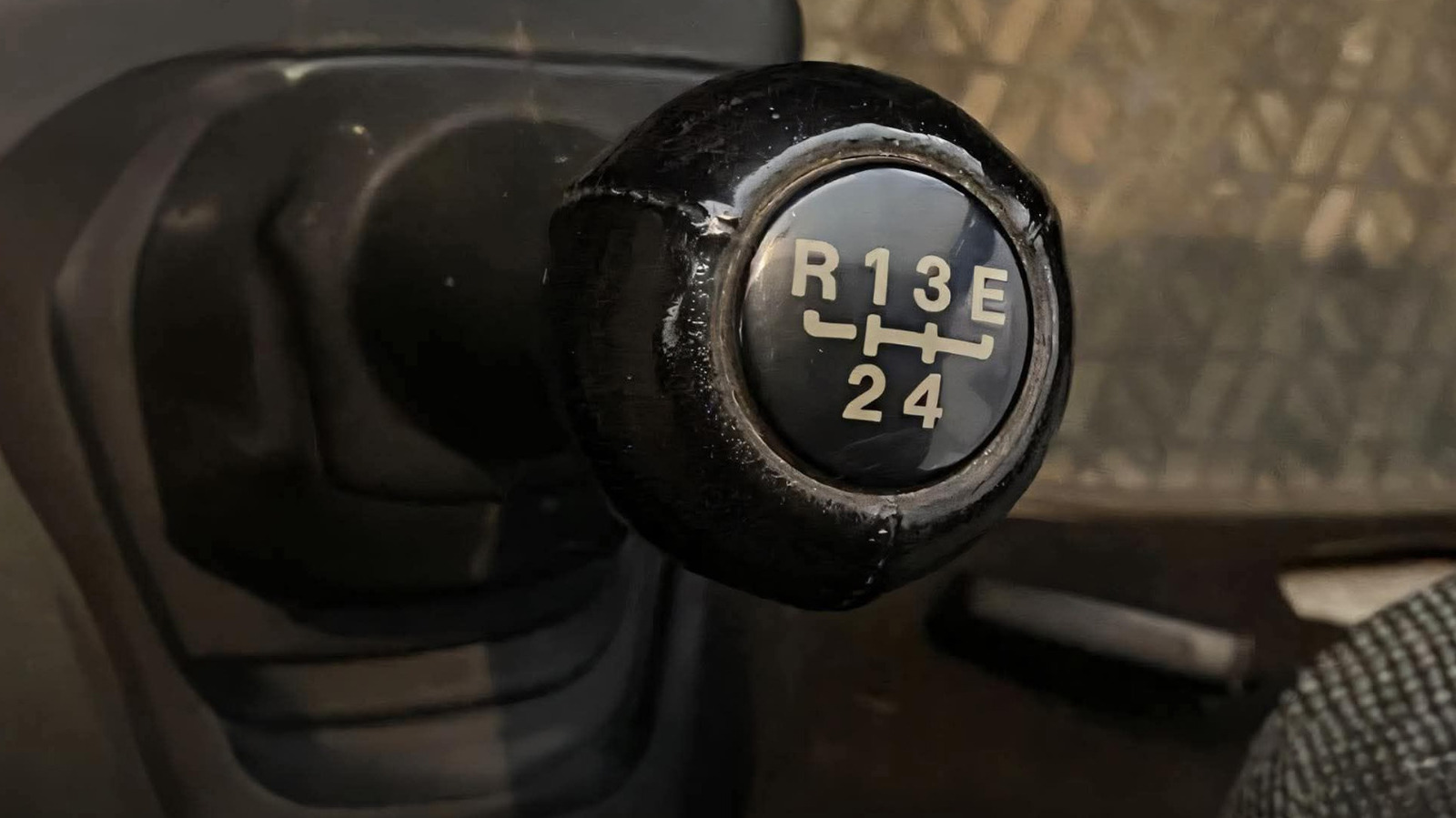

Manual transmission vehicles once dominated the roads in countries around the world, but as automatic transmission technology improved, stick-shifts began to disappear. However, there has been a resurgence of manual transmissions, which has some newbies wondering what the letters are on the gear shift in some older cars. For example, “E” on a gear shift stands for Economy.
Economy is essentially a fuel-saving feature. It operated like a higher gear option, so instead of 5th gear, a shifter could have first through fourth, reverse, and E. The economy setting was meant to keep the engine revving lower during longer drives, so the vehicle would use less gas and thus run more efficiently. It would also reduce undue strain on the motor and encourage drivers to shift up as early as possible, instead of winding out the gears excessively. This would inevitably cause a smoother power delivery as well.
The reason that many people don’t know about the economy setting is actually pretty simple. “E” happens to be one of the gear shift letters that are just not seen that often. The same is true for “G,” as well as “B,” among others. Automatic transmissions can also have some curious markings as well, including “S,” as well as the +/- symbol, which allows the driver to manually shift the vehicle during operation.
The evolution of the manual gearshift
Manual transmissions, which often share common problems, typically have always been designed with clearly marked gear positions. This includes numbered gears and reverse, with each one serving a specific purpose. But those shifters evolved over time as technology improved. So as engines became more powerful, multiple gears were added to help smooth out the overall driving experience. As a result, drivers had more than just three forward gears, with the lower ones providing better torque, and the higher ones allowing for more efficiency.
But as engines developed, the physical location of manual gear shifts changed as well. Many vehicles began to feature steering column shifters, also known as the “three-on-the-three” configuration. This was a radical departure from the previous on-the-floor setup prior to World War II. The new design allowed for bigger seats up front, which could accommodate three people instead of two. But as time went on, the industry changed, and shifters began to move from the column back to the floor.
Modern gear shifts have evolved from five gears to six, and even seven, depending on the vehicle. Along with these setups come smoother shifting, and less hesitation between changing gears than before. This makes for a more comfortable driving experience, while also delivering better performance overall. Some manual designs have driver-friendly tech as well, including indicators that show gear position during operation.

Comments are closed.