
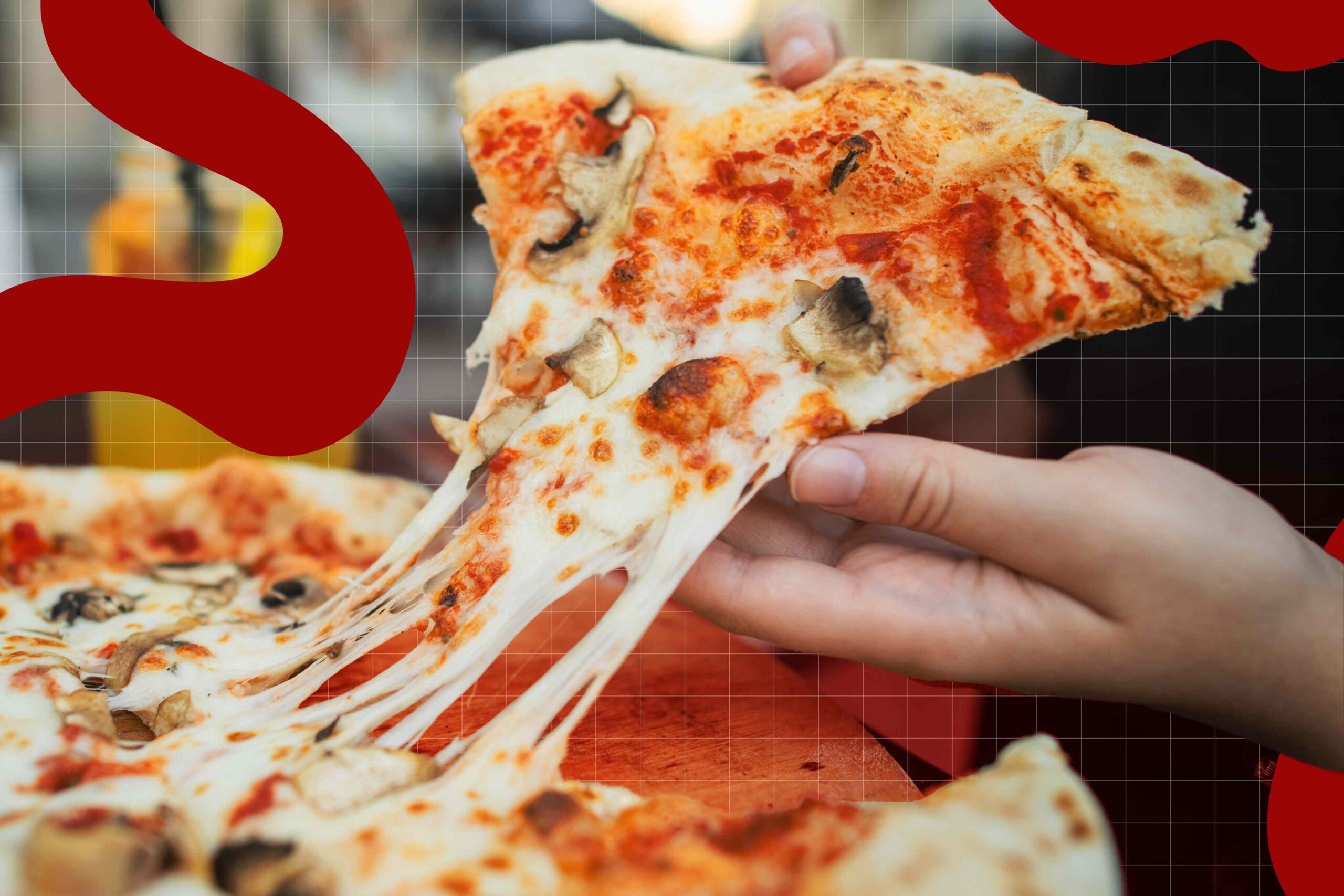

You don’t have to swear off pizza forever.
Reviewed by Dietitian Katey Davidson, M.Sc.FN, RD, CPT
Key Points
- Eating pizza once a week is fine if your overall diet and lifestyle are balanced.
- Consider choosing healthier toppings to reduce saturated fat and calories.
- Pair pizza with a salad, choose a healthier crust and watch portion sizes.
Cholesterol levels are complex and influenced by many factors, including exercise, smoking, family history and what you eat. When you think of foods that support healthy cholesterol, salmon, fruits, vegetables, nuts and beans may come to mind. But what about other foods you love, like a cheesy slice of pizza?
Can pizza fit into a heart-healthy diet? And if you’re regularly enjoying it once a week—let’s say on a Friday night when you’re too tired to cook—will it affect your cholesterol levels?
We chatted with registered dietitians and dug into the science to find out what happens to your cholesterol if you eat pizza every week.
How Pizza Impacts Cholesterol
It’s High in Saturated Fat
Contrary to popular belief, eating foods high in cholesterol isn’t what raises your cholesterol levels—saturated fat plays a bigger role. Diets high in saturated fat can prevent your body from clearing LDL (“bad”) cholesterol from the bloodstream and may increase how much your body produces, causing levels to rise.
“Diets higher in saturated fat are associated with increases in LDL cholesterol for many individuals, particularly when that saturated fat comes from processed meats like pepperoni and sausage,” shares Morgan Walker, M.S., RD, LDN.
Just one slice of cheese pizza can have about 5 grams of saturated fat. Adding toppings like pepperoni, sausage, bacon and extra cheese can push that number even higher. The American Heart Association recommends that people watching their cholesterol limit saturated fat to about 6% of total daily calories, or roughly 12 grams per day on a 2,000-calorie diet. If you have two slices of pizza, you’re already close to that limit.
It’s Made with Refined Grains
Pizza dough is typically made with white flour, a refined grain with less fiber than whole grains. It’s important to eat plenty of fiber, because it binds with cholesterol in the digestive tract and removes it from the body, which can help lower total and LDL cholesterol levels.
While eating pizza once a week likely won’t drastically affect cholesterol on its own, a diet high in refined carbohydrates may crowd out fiber-rich foods that support healthy cholesterol levels.
It’s Easy to Overeat
“Portion sizes and how often you consume pizza also matters,” says Walker.
Unlike meals rich in lean protein, fiber and healthy fats—which tend to be more filling—it’s easy to eat several slices of pizza without realizing it. “Regularly eating large portions of pizza, especially varieties high in processed meats and cheese, may contribute to higher intake of saturated fat and calories over time, which can influence cholesterol levels and overall cardiovascular risk,” Walker explains.
It’s Often Paired with Less-Nutritious Sides
If your pizza night isn’t complete without foods like chicken wings or cheesy breadsticks, you may want to rethink your choice of sides. These common additions can add even more saturated fat, refined carbohydrates and calories to your meal.
What you drink matters, too. Regular soda, beer, wine or coolers contribute extra calories and often added sugar, which may also negatively affect cholesterol levels and overall metabolic health.
Do You Need to Avoid Pizza?
“100% not. Eat the pizza!” says Chris Mohr, Ph.D., RD. “As with any food or ingredient, the issue isn’t the food itself, but rather the consistency of intake and what else is on the plate,” he explains. “A double-cheese, stuffed-crust, meat lovers’ deluxe with a six-pack [of beer] almost nightly is very different from a couple of slices of pizza with a side salad on Friday.”
Walker agrees, sharing, “There is usually no need to eliminate something entirely from your diet when managing cholesterol. Overall dietary patterns matter more than a few occasional meals that are less than ideal.”
To support healthy cholesterol, make sure your day-to-day diet is full of fruits, vegetables, whole grains, lean proteins, fatty fish and unsaturated fats. This makes it easier to enjoy a slice or two without worrying, because your overall eating patterns are strong.
And sure, you may not be able to call in late-night pizza like you did in your younger years, but simple modifications can make a real difference. From adding some extra vegetables to watching your portions and choosing leaner toppings, these tweaks make pizza more cholesterol-friendly.
If your cholesterol is high, work with your health care provider to develop a well-rounded plan that fits your lifestyle.
How to Choose a Healthier Slice
- Switch Up Your Crust. Walker suggests trying a thin crust or whole-wheat dough to reduce calories and boost fiber. Some places also offer cauliflower crust as a lower-carb option.
- Enjoy It with Salad. “What pizza shares a plate with matters. Enjoy pizza with a side salad,” says Mohr. Vegetables add nutrients and fiber and may help you feel fuller so you’re less likely to overeat.
- Be Mindful of Portions. Enjoying pizza doesn’t mean you should eat the whole pie in one sitting. Slice sizes can vary widely depending on whether you order a small, medium or large pizza.
- Choose Healthier Toppings. Pepperoni and sausage aren’t off-limits, but vegetables like tomatoes, green peppers and red onions add nutrients. Lean proteins like chicken are another option, and anchovies provide heart-healthy omega-3s.
- Choose Sauces Wisely. Classic pizza is made with red sauce, which is usually lower in calories and saturated fat. Creamy Alfredo sauces are higher in both, while barbecue sauces may contain more added sugar.
Our Expert Take
Rest assured, you don’t have to give up pizza. Making some small changes, like opting for a whole-wheat crust, veggies on top and a side salad, can support healthy cholesterol levels.
Mohr adds, “Singular foods or ingredients aren’t the issue; the negative health impacts arise when these become consistent habits or parts of the diet and are not balanced with fiber-rich foods, lean proteins and regular exercise.”
If you want to enjoy a slice, go for it—but balance the rest of your week with a healthy, balanced lifestyle.
Frequently asked Questions
Is pizza bad for high cholesterol?
Pizza made with cheese and meat toppings is high in saturated fat, which can raise LDL (“bad”) cholesterol. One slice won’t hurt, but eating pizza frequently or in large amounts may negatively affect cholesterol levels.
Is pizza once a week OK?
Yes—most foods can be enjoyed in moderation. Focus on a diet rich in fruits, vegetables, lean proteins, healthy fats and whole grains throughout the week, along with other healthy lifestyle habits. On pizza night, pair your slice with a side salad and watch portion sizes.
How many slices of pizza should I eat?
Slice size and toppings matter, but generally, one to two slices is a reasonable portion. More than that can quickly add up in calories, saturated fat and sodium.

Comments are closed.