
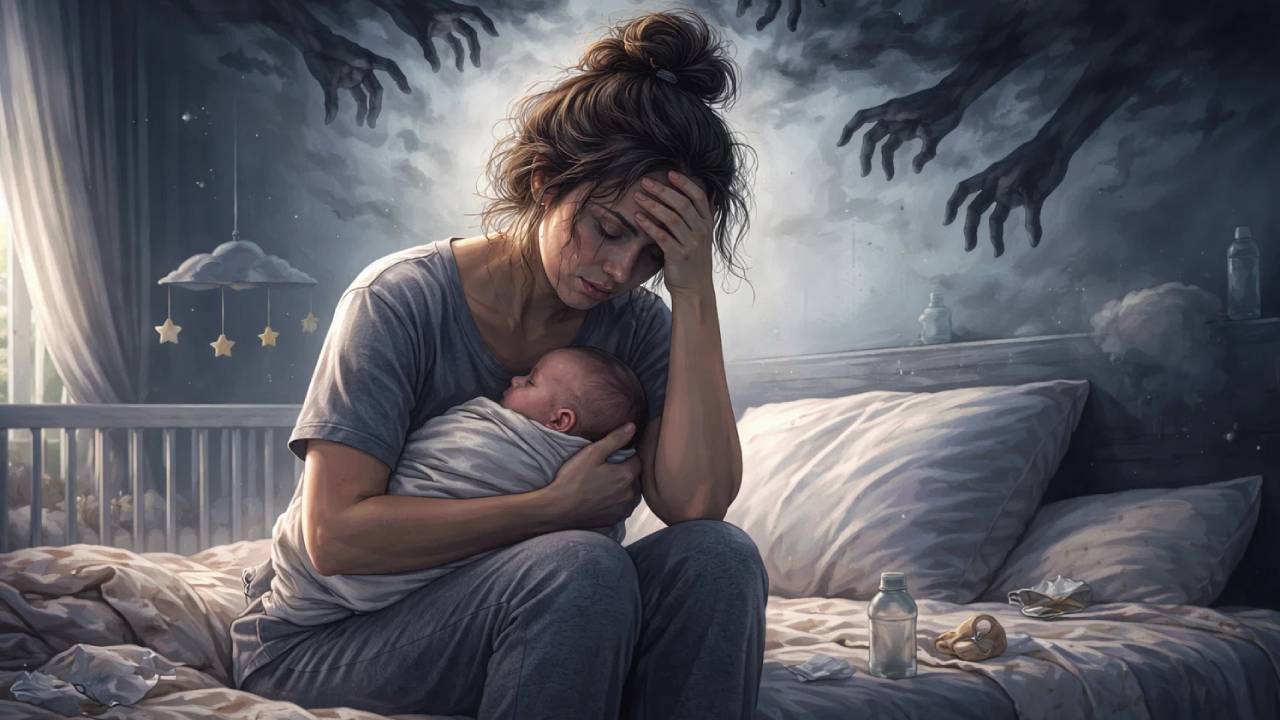
Tears even in happy moments, why do many mothers break down after the birth of a child? Know the truth about Post Partum Depression

Postpartum Depression: The birth of a child is one of the biggest happiness for any family. But amidst this happiness, many new mothers suddenly start feeling sadness, restlessness, fatigue and emotional breakdown. Society often does not understand this condition and ignores it by calling it weakness or “mood swings”. Whereas the reality is that it can be a serious mental health condition, called postpartum depression.
Often people do not understand about postpartum depression and women themselves are struggling with this problem and they are not able to understand it properly. Today in this article we are going to give you detailed information about it. So let us know.
What is postpartum depression?
Postpartum depression is a type of depression that develops in women after childbirth. This is different and more serious than the normal “baby blues”. Baby blues usually go away in a few days to two weeks, but postpartum depression can last for weeks, months, or sometimes even years.
Medically, this condition is caused by hormonal changes, mental stress, lack of sleep and social situations. According to the World Health Organization, about 10 to 20 percent of women worldwide face this problem after childbirth.
What are the symptoms of postpartum depression?
Symptoms of postpartum depression can vary from woman to woman, but some common signs are:
persistent feeling of sadness or emptiness
- crying for no apparent reason
- not feeling connected to the child
- extreme fatigue or lack of energy
- sleep problems, even if the baby is sleeping
- feeling worthless or guilty
- loss of appetite or overeating
- Anxiety, nervousness or panic attacks
- thoughts of harming yourself or the child
The intensity of these symptoms can range from mild to severe. If these symptoms persist for more than two weeks, it should not be ignored.
What is the role of hormonal changes?
During pregnancy, the levels of hormones like estrogen and progesterone are very high in the body. These hormones suddenly drop after the birth of a child. This decline affects brain chemicals, which can lead to mood changes, sadness and increased anxiety. Apart from this, there may also be changes in thyroid hormones, which further increases the symptoms of fatigue and depression.
Are lack of sleep and physical fatigue also the reason?
The mother has to get up again and again to take care of the newborn baby. Lack of sleep affects both the body and mind. Constant fatigue can lead to increased irritability, lack of focus and emotional imbalance. Research shows that lack of sleep is one of the major risk factors for postpartum depression.
Apart from these, what other reasons could there be?
After becoming a mother, a woman’s responsibilities suddenly increase. She has to balance child care, household work and sometimes career. Apart from this, social pressure to become a “perfect mother” also increases mental stress. Many women also feel uncomfortable about the changes in their body. Lack of self-confidence and a feeling of identity crisis can also lead to depression.
Are there social and family reasons also?
Family support plays an important role in dealing with postpartum depression. Women who do not get emotional or practical support are more at risk of this problem. Marital stress, financial problems, loneliness or being away from family also increase the risk. In some cases, domestic violence or instability in relationships can also cause depression.
Who is at greater risk?
Not every woman develops postpartum depression, but certain conditions may increase the risk:
- Previous history of depression
- stress during pregnancy
- premature or complicated delivery
- child being unwell
- lack of support system
- financial or family problems
Is there a difference between baby blues and postpartum depression?
Baby blues is a mild and temporary condition in which the mother feels mildly sad, emotional and irritable. It usually starts 3 to 5 days after delivery and ends within two weeks. At the same time, postpartum depression is a more serious and long-lasting condition, in which everyday activities start getting affected and professional treatment is required.
What are the methods of treatment and cure?
Postpartum depression is treatable and the condition can improve significantly if you get timely help. The main methods of treatment are:
- psychotherapy
A woman can understand and express her feelings through counseling or talk therapy. It helps in reducing stress and improving the way of thinking.
In some cases, doctors may give antidepressant medicines. These medicines help in balancing the chemicals of the brain. Safe medicines are selected for lactating women.
- support system
Support of family and friends is very important. Small help, like helping with child care or providing emotional support, can make a big difference.
- lifestyle changes
Adequate sleep, balanced diet, light exercise and taking time for yourself helps in improving mental health.
Are men also affected?
Recent research suggests that symptoms of depression can also be seen in some men after the birth of a child. This is called father postpartum depression. Although it is less than that of women, it is important to take it seriously.
Lack of awareness about postpartum depression is a big problem. Many women hide their symptoms because they fear that people will not think of them as “good mothers.” It is important to give priority to this topic in health services and pay attention to mental health during regular check-ups. Media and society should also show sensitivity on this issue.
When to contact a doctor?
If a woman is feeling persistent sadness, anxiety or depression and it is affecting her everyday life, she should consult a doctor. In particular, if you are having thoughts of harming yourself or your baby, it is important to seek medical help immediately.
Keep these things in mind!
The birth of a child is a new beginning, but it is not easy for every woman. Postpartum depression is a real and serious problem, which needs to be understood and accepted. This is not a weakness, but a medical condition, which can be treated. If timely identification, proper treatment and family support are provided, the mother can come out of this difficult phase and enjoy her motherhood to the fullest.

Comments are closed.