
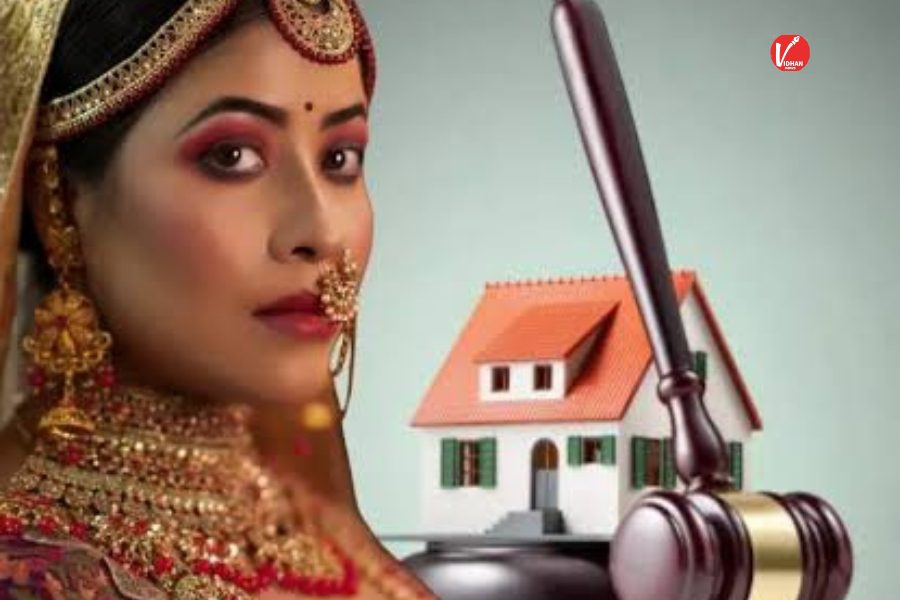
What is the right of a married daughter in her father’s property, know what Indian law says

Property Rights In India, this question has been raised for a long time whether after marriage, the daughter’s right over her father’s property is lost. Even today, in many parts of the society, there is a belief that after marriage, the daughter becomes someone else’s property, but Indian law completely rejects this thinking.
Hindu Succession Act changed the picture (Property Rights)
In the year 2005, a major amendment was made in the Hindu Succession Act, 1956. After this amendment, the daughter was given the status of co-heiress (Coparcener) in the property by birth. This simply means that the daughter gets the same rights in the father’s property as the son, whether the daughter is married or unmarried.
How much right does a married daughter have in property?
According to law, a married daughter has equal rights in her father’s ancestral property. She can demand division of the property and cannot be evicted from the property. Along with this, she is also considered to have a share in the debts and responsibilities associated with the property.
Difference between ancestral property and self-acquired property
Ancestral property is one that is passed down from generation to generation, whereas self-acquired property is purchased from the father’s own earnings. In ancestral property, the daughter has the right by birth, but self-acquired property can be given by the father to anyone through a will. If the father dies without a will, then the married daughter is also considered the legal heir.
Historic decision of Supreme Court
In the year 2020, the Supreme Court gave a historic decision saying that it is not necessary for the father to be alive after 2005 for the daughter to have rights in property. This decision provided a strong legal basis to millions of daughters across the country.
Why does discrimination still occur?
Despite clear laws, even today married daughters are not given their rights in many families. Social pressure, family traditions and lack of legal knowledge are considered to be the main reasons behind this.
In today’s time, it is completely clear that a married daughter has full and equal rights in her father’s property. Marriage does not end the legal rights of the daughter. All that is needed is correct information and awareness, so that daughters can stand strongly for their rights.

Comments are closed.