
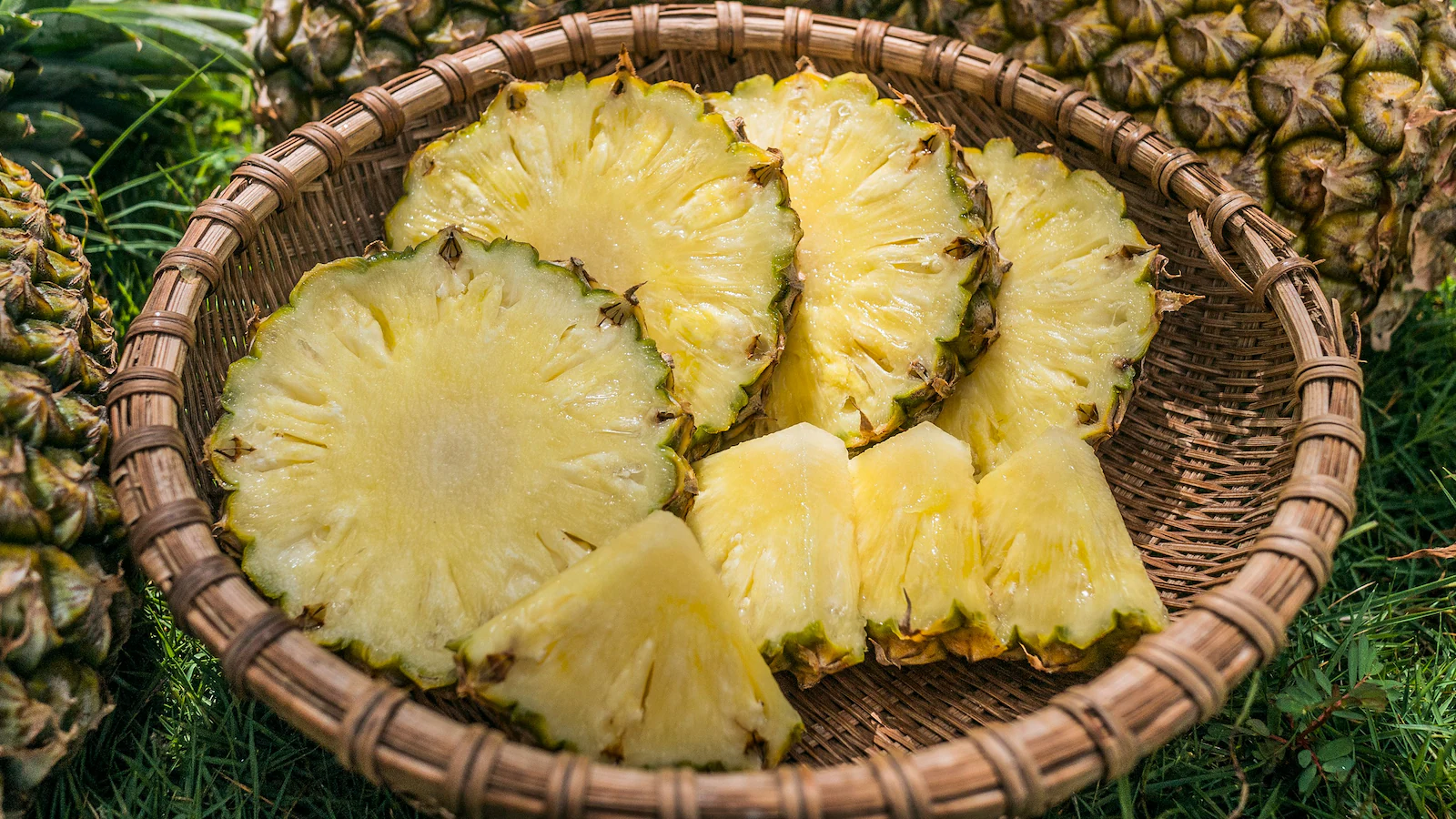

India is a country of fascinating nicknames. Cities wear their specialties like badges of honour, the Silk City, the City of Nawabs, the Spice Coast. But somewhere tucked away in Kerala’s lush Ernakulam district, about an hour’s drive from Kochi, sits a small town that has earned a title sweeter than most. Vazhakulam is India’s undisputed Pineapple City, and it has the GI tag, the crores of annual revenue, and the generations of farmers proud to back that up. If you’ve ever eaten a juicy, fragrant pineapple anywhere in India, from a Delhi chaat stall to a Mumbai juice bar, there’s a good chance it came from here.
A Town That Smells Like Pineapple
The moment you arrive in Vazhakulam, the fruit announces itself. Lorries stacked high with green and gold pineapples line the roads. Boards that say “pineapple trade” hang outside what seems like every other shop. Headload workers haul sacks of the fruit with a practiced rhythm. Sprawling pineapple plantations stretch out just a short walk from the market. This isn’t a town that grows pineapples on the side — pineapple is Vazhakulam’s entire identity, its economy, and its culture.
Located near Thodupuzha in Idukki district, Vazhakulam is not just Kerala’s pineapple hub, it is India’s largest pineapple market. Around 350 farmers actively cultivate the fruit here, and a staggering four lakh people are directly or indirectly connected to pineapple farming or related activities. The numbers, frankly, are jaw-dropping. At peak season, about 1,000 tonnes of pineapples are shipped out of Vazhakulam every single day, mostly to Mumbai, from where a significant portion makes its way to Gulf countries. The annual turnover from pineapple trade in this modest town is estimated at Rs 800 crore.
How It All Started
Pineapple, introduced to India by the Portuguese in 1548 from Brazil, found its ideal home in Vazhakulam. The town’s warm, humid climate and well-drained soil, along with annual rainfall between 1,000 and 1,500 mm, created perfect conditions for pineapple growth. Initially planted as boundary crops, pineapples became central to the local economy by the 1940s and 1950s. By the 1990s, farmers formed the Pineapple Farmers’ Association of Vazhakulam. In 1995, a research station was established to introduce advanced farming techniques and provide technical support, including access to bank loans. This blend of traditional knowledge and modern organization attracted educated youth back to farming, leading to industrial-scale cultivation. Jose Perumpallikunnel, a block panchayat president and pineapple farmer for over 35 years, highlighted the return of educated youth as a key factor in making pineapple the primary livelihood in the region.
What Makes the Vazhakulam Pineapple Special
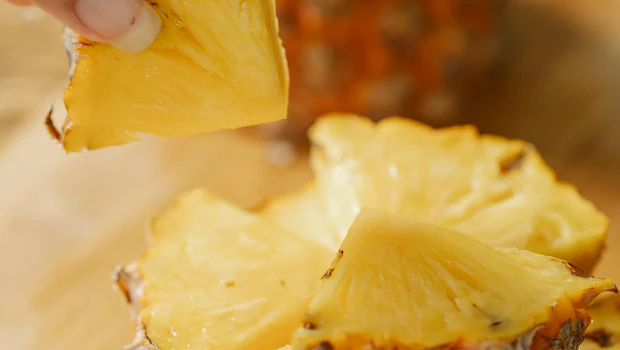
Photo Credit: Pexels
The Vazhakulam pineapple, particularly the Mauritius variety known as Kannara, stands out with its conical shape, golden-yellow flesh, and irresistible aroma. Its flavor is a perfect balance of pronounced sweetness and low acidity (0.5% to 0.7%), enriched with carotene, vitamins, and minerals. Grown without heavy chemicals, it maintains a natural taste. Weighing 1.3 to 1.6 kg, the Kannara pineapple has a shelf life of seven to eight days, ensuring freshness. Farmers favor it for its nine to twelve-month growing period, shorter than the Kew variety’s eighteen months. Recognized for its quality, the Vazhakulam pineapple earned a Geographical Indication (GI) tag in 2009, highlighting its unique origin. This certification has elevated its status in export markets, with 80% of Kerala’s Vazhakulam pineapple yield sent to Indian cities and overseas, particularly to Gulf countries.
Also Read: How This 80-Year-Old Ahmedabad Woman Built A Successful Ice Cream Business
Pineapple on the Plate: Dishes You Must Try
Vazhakulam’s pineapple isn’t just sold fresh and shipped out, it finds its way into a wonderful variety of dishes, both traditional and contemporary. Here are some that really show off what this fruit can do in a Kerala kitchen.
Pineapple Pachadi

This is Kerala’s most iconic pineapple preparation, a staple in the Onam Sadhya. Cubes of ripe pineapple are cooked in a gravy of coconut paste, green chillies, and yogurt, then tempered with mustard seeds, dried red chillies, and curry leaves. It is tangy, sweet, and mildly spicy all at once, and it beautifully balances the richness of a full Sadhya spread.
Pineapple Pulissery
A variation of the pachadi but with a more liquid, yogurt-forward consistency, the pulissery is a comforting, lightly sour curry that works brilliantly with rice. The sweetness of the Kannara variety comes through clearly in this dish, and the curd base gives it a lovely tartness.
Pineapple Jam and Preserves
The Kew variety, grown in smaller quantities around Vazhakulam, was historically prized by jam and squash manufacturers for its pulpy flesh. Even today, pineapple jam from the region is a popular product, thick, fragrant, and a world apart from the tinned versions you’d find in supermarkets.
Pineapple Juice and Nectar

Vazhakulam farmers describe the Mauritius variety as being particularly excellent for juicing. The juice is naturally sweet with low acidity, which means it needs very little added sugar and retains its fresh flavor beautifully. Freshly pressed pineapple juice from street vendors near the Vazhakulam market is, by all accounts, one of those simple food experiences that sticks with you.
Pineapple Kheer (Pineapple Payasam)
In Kerala homes and temples alike, pineapple payasam is a festive dessert. Small chunks of pineapple are simmered in sweetened milk with cardamom and sometimes coconut milk, resulting in a dessert that is warm, fragrant, and deeply comforting.
Pineapple in Curries and Meat Dishes
The Malayali kitchen has long used pineapple in savory preparations. Its natural acidity acts as a tenderiser, and its sweetness balances the heat in dishes like pineapple prawn curry, where the fruit’s tartness cuts through the richness of the seafood. There are also pineapple-based chutneys served alongside rice and meals, adding brightness to the plate.
The Culture Around the Pineapple
In Vazhakulam, the pineapple is more than a crop; it’s a cultural symbol and financial cornerstone for thousands. Four lakh people rely on it, highlighting its deep integration into the region’s social fabric. The peak season, from September to May, energizes the town, especially during Ramzan in September-October, when demand and shipping peak. Lorries stretch for miles, and workers from Assam join the harvest. Traders from across India gather at the market, creating a seasonal commerce festival. The Pineapple Farmers’ Association supports farmers and negotiates prices, while the state research station serves as a vital community resource. The GI tag enhances Vazhakulam’s identity, offering buyers a story of quality and heritage.
Also Read: 200 kg Of Unhygienic Peda From Sweet Shops Near Vrindavan’s Banke Bihari Temple Destroyed In A Raid
The Pineapple City
Vazhakulam’s story is, at its heart, a love story between a place and a fruit. The warm humidity, the red laterite soil, the generations of farming knowledge, everything about this small Kerala town has conspired to produce something genuinely extraordinary. The Pineapple City of India is not a marketing tag; it’s a lived reality for four lakh people whose livelihoods, identities, and daily rhythms are shaped by this golden, spiky fruit. The next time you bite into a sweet, fragrant pineapple, whether in a Sadhya pachadi, a glass of fresh juice, or a chaat on a summer afternoon, there’s a real chance it began its journey in the fields of Vazhakulam. And that, honestly, makes it taste a little sweeter.

Comments are closed.