
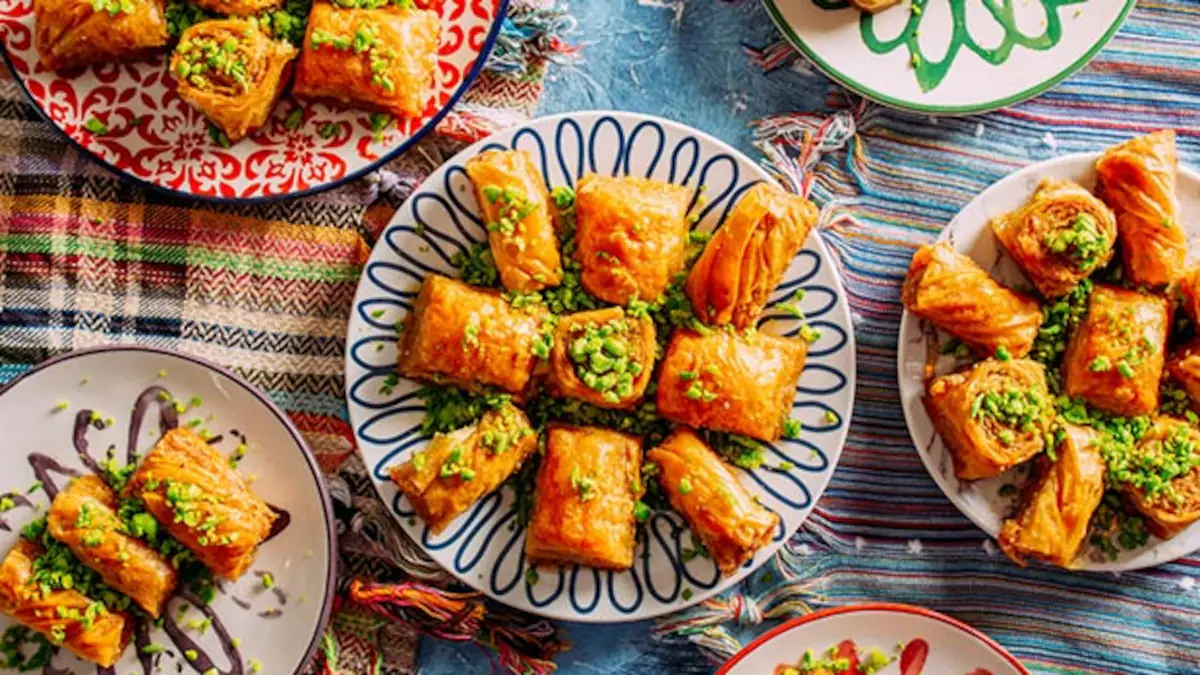

If you have ever eaten a really good piece of baklava, the kind that shatters slightly when you bite into it, where the filling is vibrant green and fragrant, and the syrup is just sweet enough without being cloying, there is a good chance it was made in the style of Gaziantep, a city in southern Turkey that the world has quietly agreed is the baklava capital of the world. Gaziantep’s claim to this title is not just a marketing slogan. It rests on centuries of craft, a specific variety of pistachio that grows only in this region, a baking tradition handed down through generations of master bakers, and a UNESCO Creative City of Gastronomy designation received in 2015. This is the story of a pastry, a nut, and the city that made both immortal.
The History Of Baklava: Where It All Began
Baklava’s history is one of those contentious food stories where multiple countries stake a claim, and no one entirely agrees on the origin. Turkey, Greece, Lebanon, Syria, and several other nations all have versions, and all consider theirs to be the authentic one.
Also Read: Which Indian State Is Known As The Fruit Bowl Of India?
The scholarly consensus broadly points to the Ottoman Empire as the context in which modern baklava, as a layered filo pastry soaked in syrup, was codified and popularised. Baklava dates all the way back to the 11th century CE, when nomadic Turks began to layer and pleat their bread, and from that practice, the sweet pastry evolved over generations. Modern sweet baklava is sometimes thought to have been popularized by a sultan of the Ottoman Empire, Suleiman the Magnificent, and became a well-beloved treat amongst his military. The imperial kitchens in Istanbul refined it into the layered, buttery, syrup-drenched pastry we know today.
From Istanbul, the recipe spread across the Ottoman Empire, taking on regional variations wherever it landed. But Gaziantep made the definitive version. The reason is pistachio, specifically, the Antep fıstığı, the local pistachio variety that grows in the region and that bakers here quickly recognized as the single most important ingredient in a truly exceptional baklava.
The Antep Pistachio: What Makes It The Best In The World
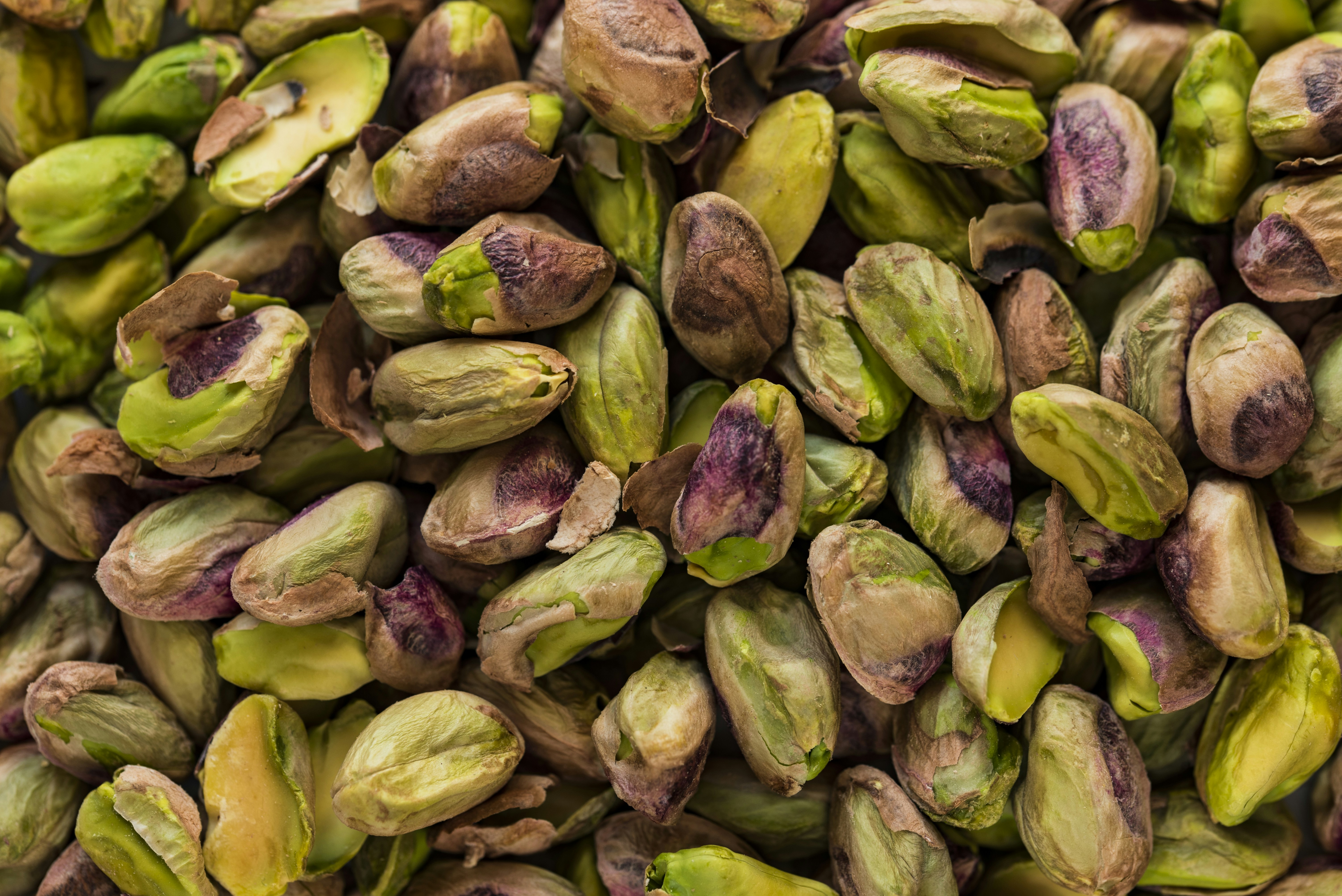
Locals in Gaziantep affectionately call their pistachios “green gold,” a name well-deserved. The Antep fıstığı holds a Protected Geographical Indication (PGI) from the European Union, ensuring only pistachios from Gaziantep can officially bear the name, akin to Champagne for sparkling wine or Darjeeling for tea. This recognition highlights the inseparable link between place and product quality. In 2018, Gaziantep boasted 22 million pistachio trees, underscoring the region’s commitment. What sets Antep pistachios apart from Iranian or Californian varieties is the unique climate: hot, dry summers and cold winters, and the specific soil of the southeastern Anatolian plateau. These factors produce a smaller nut with a more intense flavour, deeper green flesh, and slightly higher fat content, offering a richness and faintly resinous quality that excels as both a snack and a baking ingredient. The pistachio harvest in late summer is not just an agricultural event but a pivotal moment for Gaziantep’s baklava industry. Bakers eagerly gather the freshest nuts, ensuring only the finest are used in a city where baklava defines its reputation.
What Makes Gaziantep Baklava Different From Everything Else
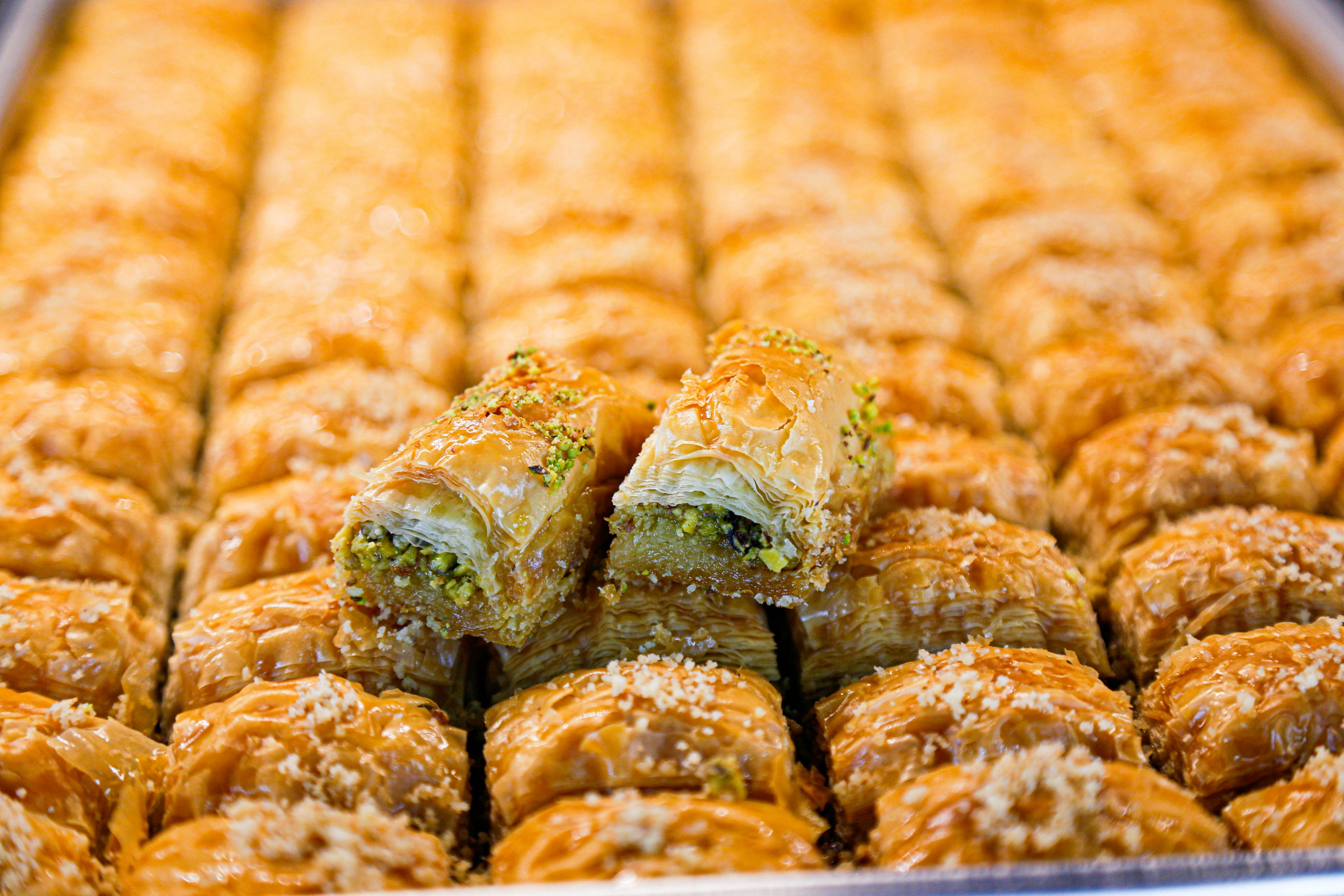
If you have only eaten baklava from a supermarket packet, a Middle Eastern restaurant outside Turkey, or an Indian mithai shop that makes a version of it, Gaziantep baklava is going to be a genuinely revelatory experience. Not because it is fancier, but because it is more precise.
The Gaziantep version is distinguished by three things that work together to create something entirely its own.
The file: The pastry sheets used in Antep baklava, called yufka, are rolled to an almost translucent thinness. Master bakers (called ustalar) can roll a sheet so thin that you can read a newspaper through it. Gaziantep baklava uses between 30 and 40 layers of this pastry, and each layer is brushed individually with clarified butter (tereyaggi). This is not a shortcut job. It is a labor of patience, and you can taste the difference.
The filling: Gaziantep baklava uses Antep pistachios and nothing else. No walnuts, no cashews, no mixed nuts, no compromises. The pistachios are raw, freshly ground or roughly chopped, depending on the format, and their quality is everything. This is why bakers participate in the harvest personally; they need to know exactly what they are working with. The filling is not sweetened. The pistachio flavor should speak for itself, balanced by the syrup that soaks into the pastry.
The syrup: This is perhaps the most important and most misunderstood element of Antep baklava. The syrup is made from sugar and water only, without honey. It is cooked to a precise consistency, and it is poured cool over hot baklava (or hot over cooled baklava, depending on the baklava school you subscribe to). The result is a pastry that is crisp and light, with a clean sweetness rather than the heavy, sticky quality that characterizes baklava made with thick honey or overly sweet syrups. If the syrup soaks in properly, each piece should shatter gently when you bite it and release the fragrance of the pistachio in a single, satisfying moment.
The most famous cut is the “carrot slice” (havuç dilimi), a long diamond shape that reveals the green pistachio filling at the cross-section and has become the visual signature of Antep baklava. Another popular format is sarma or rolled baklava, where a single filo sheet is rolled tightly around a dense pistachio filling into a cylinder, then baked and sliced.
How To Make Gaziantep-Style Pistachio Baklava At Home
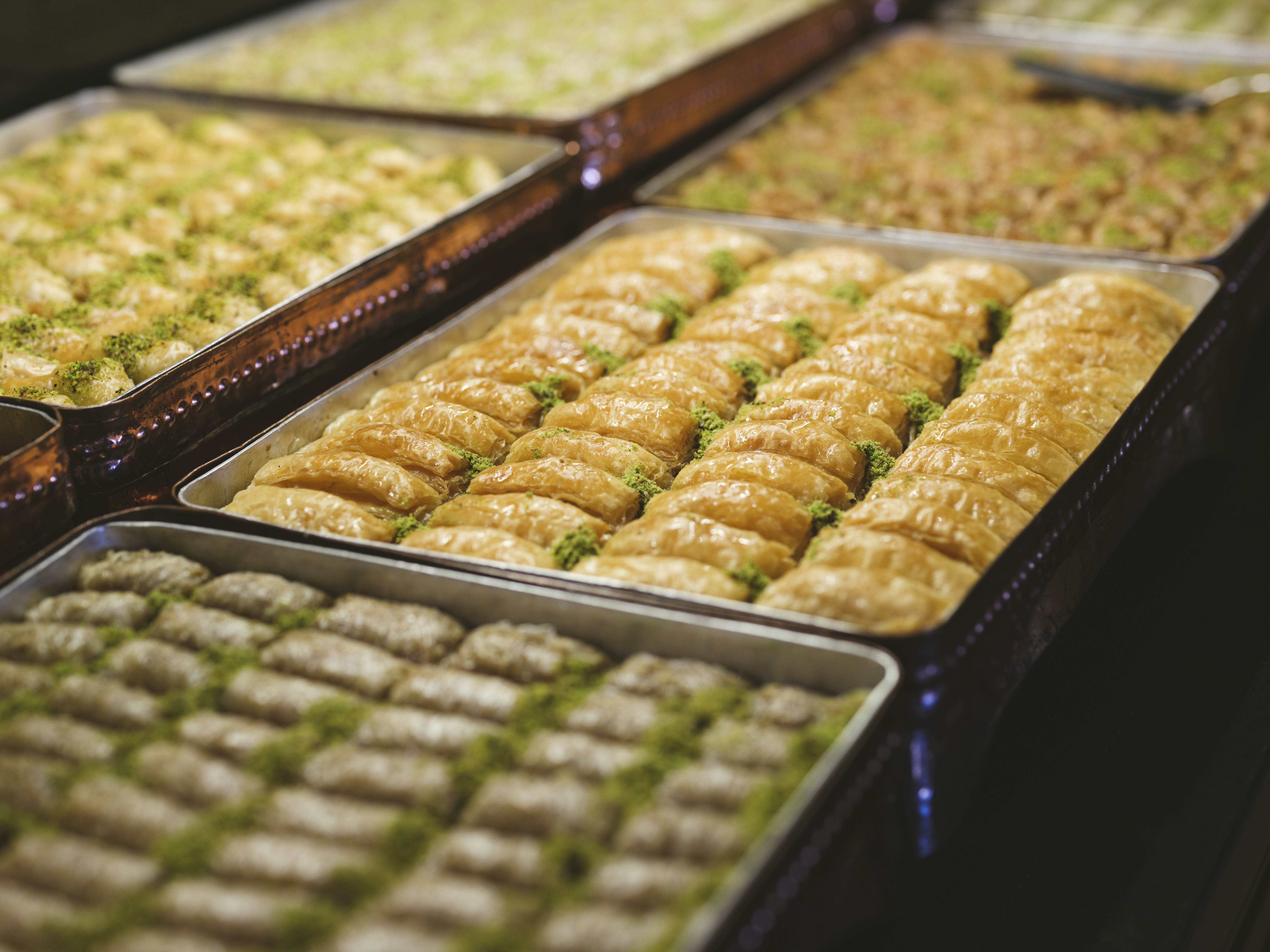
This is a simplified home version that captures the essential character of Antep baklava without requiring a professional pastry kitchen.
Makes approximately 24 pieces. Time: 90 minutes
Ingredients
For the baklava:
- 250g ready-made filo pastry sheets (the thinnest available)
- 150g unsalted butter, melted and clarified
- 200g shelled raw pistachios, finely chopped (not ground into a paste)
- 1 tablespoon icing sugar mixed into the pistachios
For the syrup:
- 300g granulated sugar
- 200ml water
- 1 teaspoon lemon juice
Method
Start with the syrup: Combine sugar, water, and lemon juice in a saucepan. Bring to a boil, stirring until the sugar dissolves, then reduce heat and simmer for ten minutes until slightly thickened. Set aside to cool completely to room temperature before you use it. This is non-negotiable: cool syrup over hot baklava is what creates the signature crispness.
Preheat the oven to 180°C:Brush a 20x30cm baking tin generously with clarified butter. Lay the first filo sheet in the tin and brush with butter. Repeat this, sheet by sheet, until you have layered half the filo. Spread the pistachio filling evenly over the filo layers. Now layer the remaining filo sheets on top, brushing each one with butter, and finish with a generous final brushing on the top sheet.
Using a sharp knife, cut the unbaked baklava into diamond shapes or rectangles, cutting all the way through to the bottom of the tin. Bake for thirty to thirty-five minutes until the top is deep golden and the layers have puffed and crisped.
Remove from the oven and immediately pour the cool syrup evenly over the hot baklava. Let the sizzle happen. Do not stir, do not press, do not rush. Allow the baklava to rest for at least two hours before serving. This resting time is when the syrup is properly absorbed, and the layers settle into the right texture.
Garnish each piece with a pinch of finely chopped pistachio before serving.
Also Read: Family Sues US Ski Resort Claiming Hot Chocolate Was Too Hot
The Pistachio Beyond Baklava
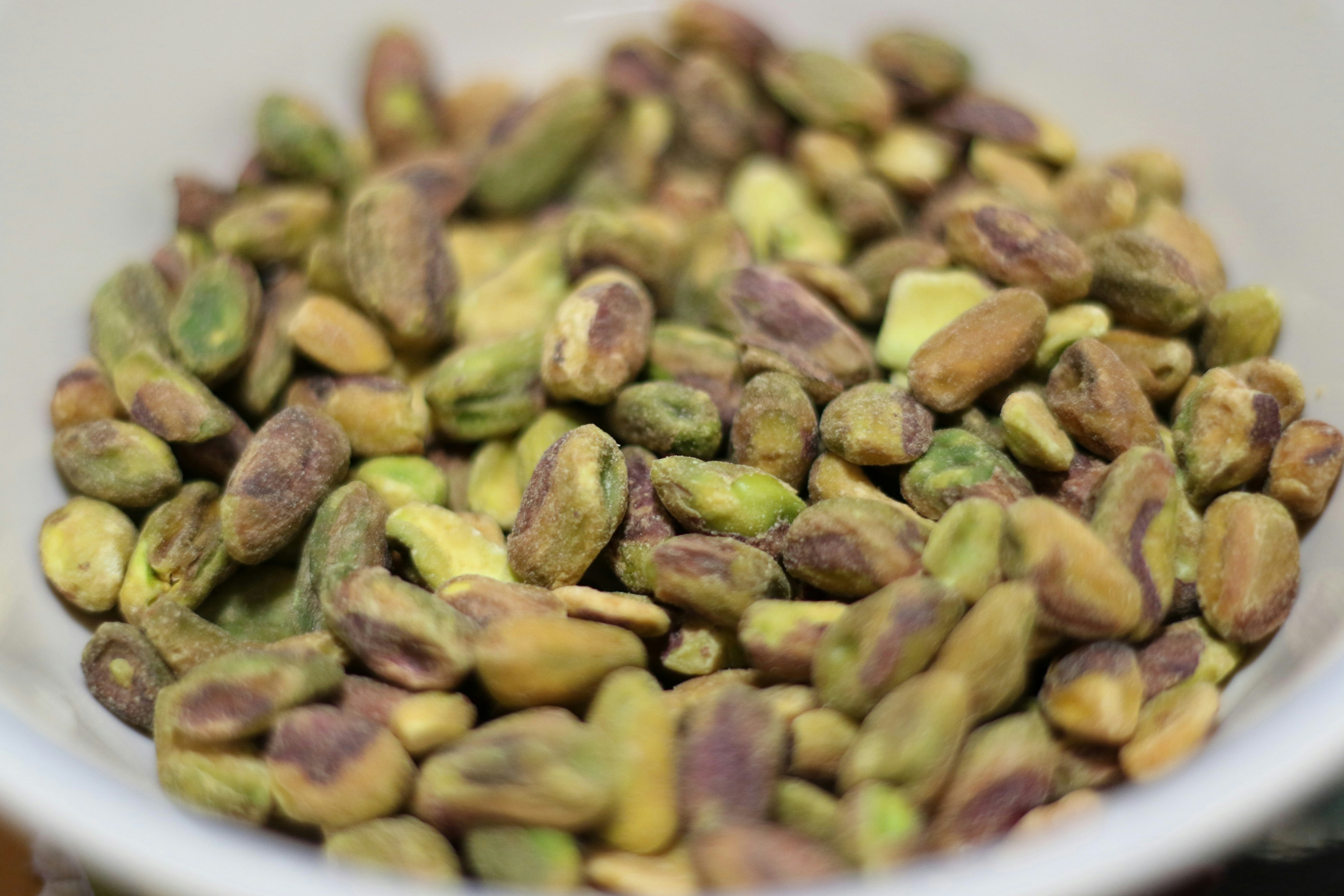
Pistachios in Gaziantep are not a single-use ingredient. They appear across the entire cuisine, sweet and savory, in ways that reveal just how deeply embedded the nut is in the food culture.
In savory cooking, pistachios are used as a stuffing for lamb, folded into a local spiced sausage called burgu, and added to rice dishes for texture and richness. In sweet preparations, they appear in durma (the stretchy Turkish ice cream), in a semolina-based dessert called kadayıf, and most memorably in katmer, a breakfast pastry made from thin filo layered with clotted cream and a generous scatter of fresh pistachios, cooked on a griddle until the pastry blisters and crisps. Katmer is traditionally eaten on the morning after a wedding, but any visitor who comes across it should eat it immediately, regardless of the occasion.
The varieties of baklava itself that the city produces extend well beyond the classic pistachio square. There is fıstıklı sarma (rolled pistachio baklava), fıstıklı kadayıf (pistachio-filled shredded wheat pastry), and bülbül yüvi (nightingale’s nest), a rolled baklava shaped into a circle with a pistachio sitting in the centre. Each one is an expression of the same underlying philosophy: the best possible pistachio, handled with as much skill and as little interference as possible.
Why The Pistachio-Baklava Relationship Matters
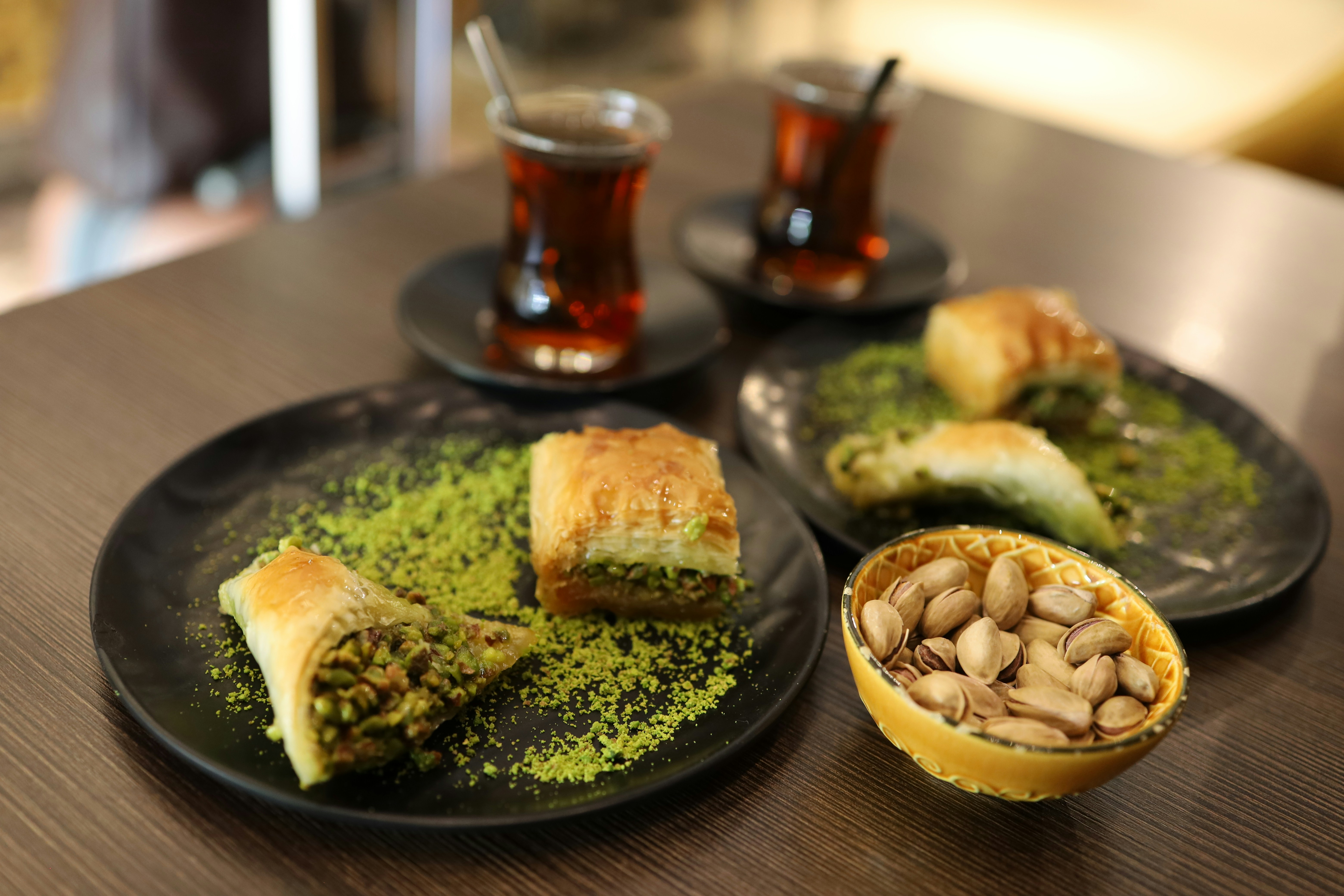
The reason Gaziantep’s baklava cannot be truly replicated outside Gaziantep comes down to the Antep pistachio. You can follow the recipe exactly, use the right number of filo layers, make the syrup correctly, and clarify your butter properly, and you will make very good baklava. But it will taste slightly different from what you eat in Gaziantep, because the pistachio is different. The intensity, the colour, the specific fat composition of the nut that grows in this particular climate and soil cannot be reproduced by substituting a Californian or Iranian pistachio, however good those are in their own right.
Also Read: Chaitra Navratri 2026: Vegetables You Can Eat While Fasting
The City Is Defined By Pistachios
Baklava is one of those foods that most people think they already understand, and Gaziantep is the city that proves otherwise. Every element of the Antep version, the translucent filo, the raw pistachio filling, the pure sugar syrup, the patient resting time, has been arrived at through centuries of refinement, and the result is a pastry that tastes like a conclusion rather than a starting point. The green gold of the pistachio groves and the golden layers of the filo are inseparable in this story, and together they have produced something that the world keeps coming back to, one brilliantly green, shatteringly crisp piece at a time.

Comments are closed.