

Video marketing looks simple from the outside: hit record, add captions, post, repeat. In reality, the work lives (and dies) in the details—clean audio, steady footage, fast turnarounds, reliable storage, and lighting that doesn’t make faces look like ghosts.
The good news is you don’t need a studio full of expensive gear. A small, well-chosen kit can cover interviews, product demos, events, and everyday social content without slowing you down.
A Dependable Camera Setup That Works Everywhere
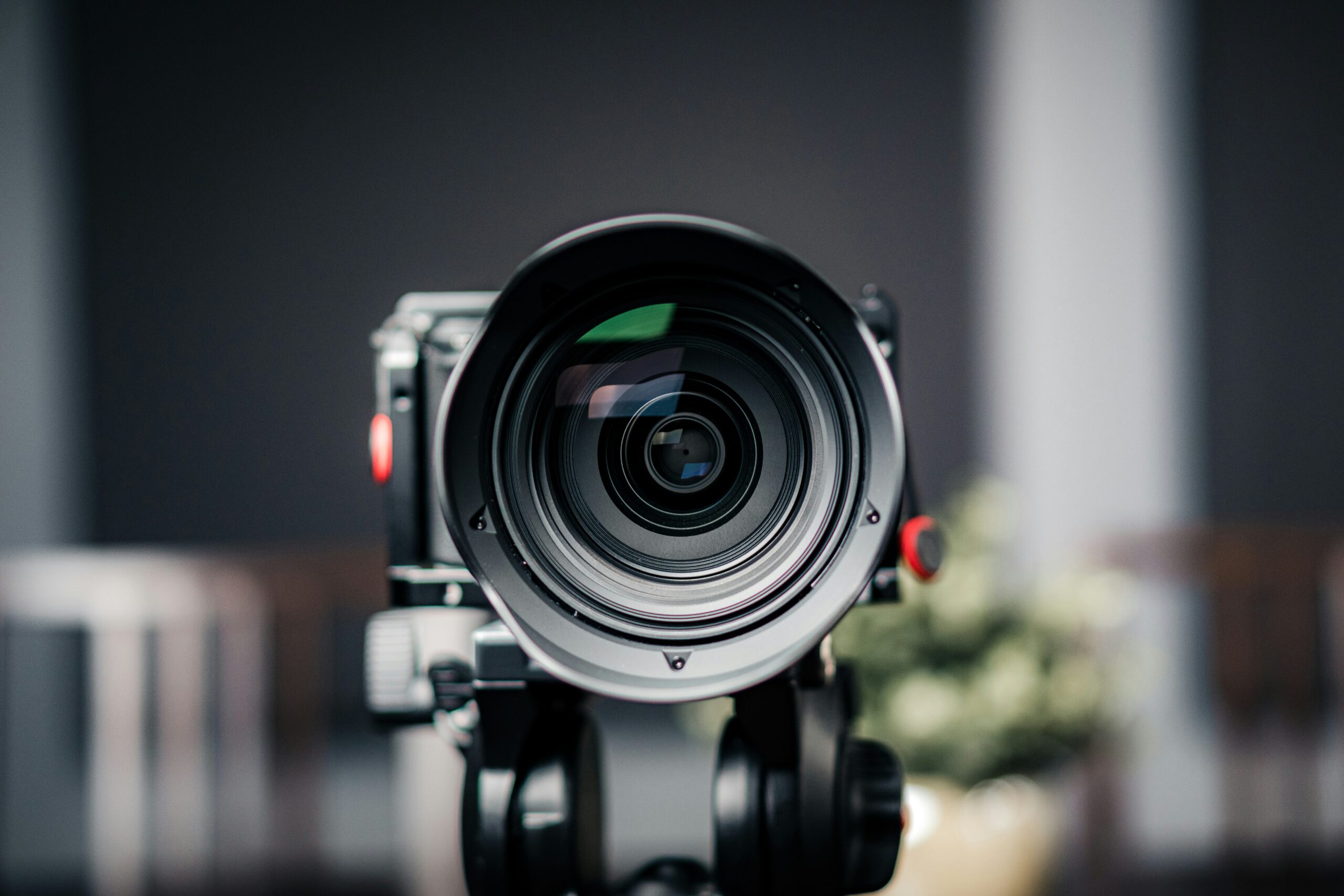
A modern smartphone can absolutely shoot professional-looking content, but most marketers eventually benefit from adding a second “dedicated” option that’s always ready for higher-quality footage. A compact mirrorless camera (or a reliable prosumer video camera) gives you better low-light performance, smoother color, and more flexibility with lenses—especially for talking-head shots and product close-ups.
Pair your camera with a versatile lens (like a standard zoom) and keep extra batteries on hand so you’re not rationing screen time mid-shoot. If you primarily film on a phone, upgrade your setup with a lens attachment (for wider shots), a secure grip, and an app that lets you lock exposure and focus. The goal isn’t to chase the fanciest specs—it’s to make your footage consistent, predictable, and easy to match from one shoot to the next.
Audio Gear That Makes Your Content Instantly More Professional
If you only buy one “serious” piece of equipment, make it audio. Viewers will forgive an imperfect shot, but they won’t stick around for muffled voices, echo, or loud background noise. For interviews and on-the-go filming, a wireless lavalier system is a game-changer because it keeps voices clear even when your subject moves. Add a small shotgun mic for situations where you can’t mic someone up, like quick street-style clips or behind-the-scenes shots.
And don’t overlook monitoring—closed-back headphones help you catch problems (buzzing, clipping, wind noise) before you wrap the shoot and realize you captured unusable sound. To round it out, keep a simple windscreen set and a tiny audio recorder as backup when you’re filming in unpredictable environments.
Stabilization and Lighting Tools for Clean, Consistent Footage
Shaky footage and harsh lighting can make even the best script feel amateur. A sturdy tripod is the foundation—choose one that’s quick to adjust and stable enough for your camera or phone without wobbling. For moving shots, a gimbal or compact stabilizer helps you capture smooth walkthroughs, product b-roll, and event coverage without looking dizzy. Lighting is just as important: a small LED key light gives you control when office lighting is unflattering, and a collapsible reflector can “fix” a scene fast by bouncing light back onto a face.
If you shoot in multiple locations, look for lights that are lightweight, dimmable, and battery-powered so you’re not hunting for outlets. The practical goal is repeatable results: the same steady framing, the same flattering light, and fewer re-shoots because the footage didn’t come out the way you expected.
Editing, Storage, and Workflow Gadgets That Save Hours Every Week
Once filming is done, your gear should help you move faster—not create new bottlenecks. A capable laptop or desktop matters, but the underrated heroes are the accessories: a fast external SSD for editing, a card reader that transfers footage quickly, and a simple backup drive so you don’t lose weeks of work to a single mistake. If you collaborate with a team, a reliable cloud storage plan and a clear folder system can prevent confusion, duplicated files, and “final_final_v3” nightmares.
A color-accurate monitor (or at least a calibrated display) helps your videos look consistent across platforms, and a control surface or programmable keyboard shortcuts can speed up repetitive editing tasks. Under the hood, the “boring” technical choices matter too—knowing when to export in the right codec and understanding how a video container format affects compatibility can save you from upload errors and playback issues when deadlines are tight.
Conclusion
Must-have gadgets for video marketers aren’t about collecting toys—they’re about protecting quality and time. A reliable camera setup gives you consistent visuals, strong audio gear makes your content feel instantly credible, stabilization and lighting keep every shot watchable, and workflow tools help you publish faster with fewer headaches.
Build a kit that fits your most common projects, then upgrade intentionally as your needs grow. The best setup is the one you can grab quickly, trust every time, and use to ship great videos without stress.

Comments are closed.