
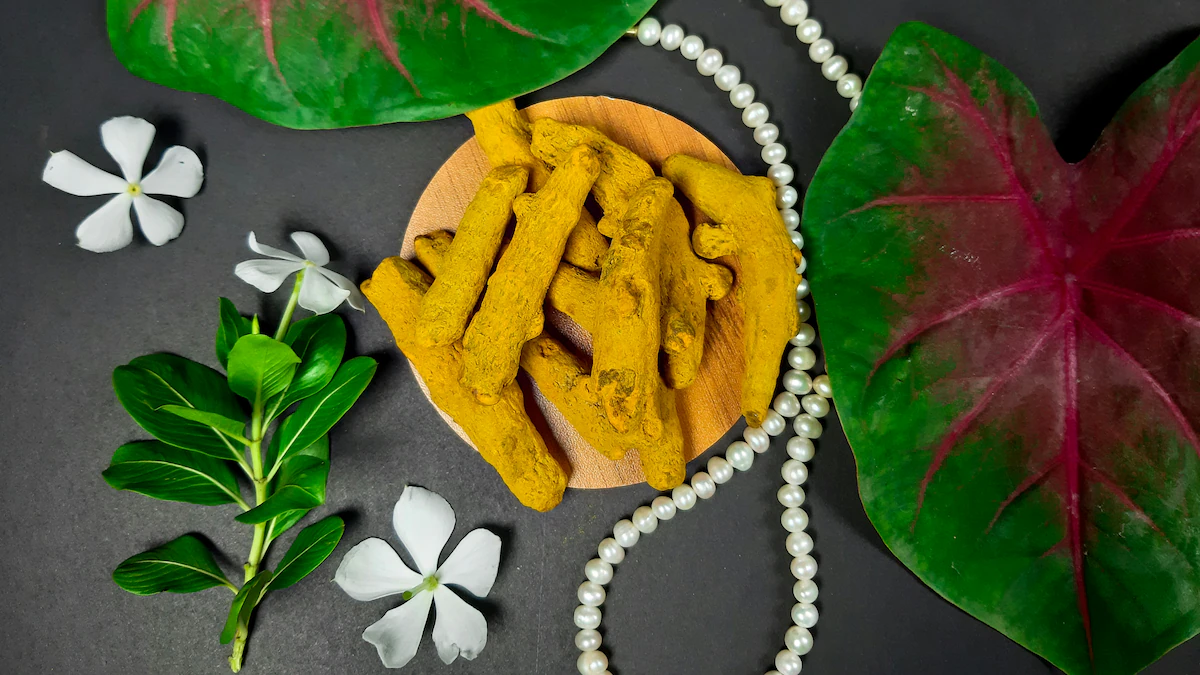

Turmeric is more than just a spice – it’s a staple in Indian kitchens, a key ingredient in traditional medicine, and a symbol of purity and wellness. From lending its golden hue to curries to being used in home remedies and rituals, turmeric plays a deeply rooted role in everyday life. But have you ever wondered where much of this turmeric comes from? Behind India’s massive production lies a region that has built its identity around this vibrant spice. With vast cultivation, active trade markets and a strong agricultural network, one city has earned global recognition for turmeric. Let’s find out more about that place.
Also Read: How To Eat Like A Local In Lucknow: A Full-Day Itinerary
The Turmeric Capital Of The World: Erode, Tamil Nadu
Photo: Unsplash
Erode, located in Tamil Nadu, is widely regarded as the Turmeric Capital of the World because of its dominant role in turmeric cultivation, regulated trading, and price discovery. The city is often called the “Yellow City”, reflecting the scale at which turmeric is produced, processed, and auctioned here. Prices discovered at Erode’s regulated markets frequently act as reference benchmarks for turmeric trade across India and influence export pricing as well.
Erode is also home to Erode Turmeric, a GI‑tagged variety recognized by the Government of India, known for its consistently high curcumin content. This formal recognition further cements the region’s importance in the global spice trade.
Why Erode Earned This Reputation
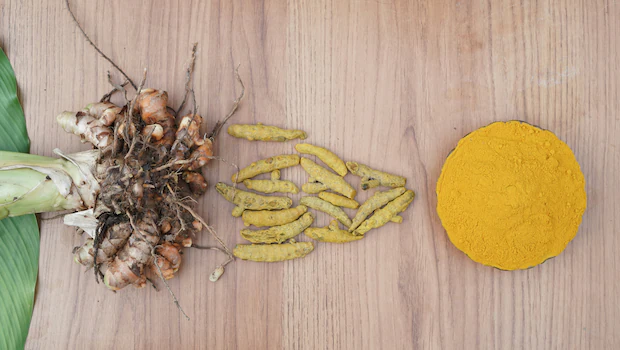
Photo: Unsplash
Several factors have contributed to Erode’s global standing in the turmeric trade:
- Large‑scale turmeric cultivation across Erode and neighboring districts accounts for a significant share of Tamil Nadu’s output.
- One of India’s largest regulated turmeric markets, second only to Nizamabad, Telangana, handling arrivals from multiple states
- Favourable agro‑climatic conditions, including red loamy soil and suitable rainfall, ideal for high‑quality turmeric
- Established supply chains and export networks, shipping turmeric to markets in Asia, Europe, the Middle East, and the US
Farmers from surrounding districts bring their produce to Erode’s regulated markets, making it a central hub for transparent auctions and national price discovery.
Types Of Turmeric Traded From Erode
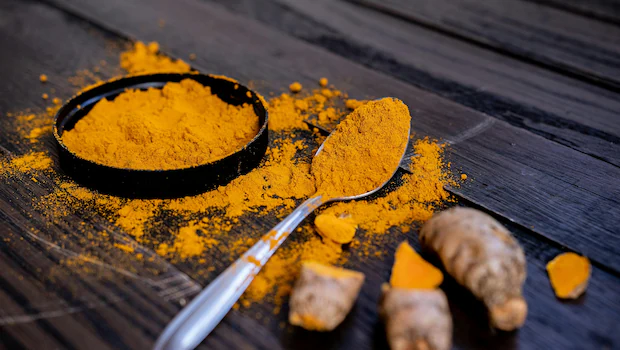
Photo: Pexels
Erode markets handle several well‑known turmeric varieties and forms, including:
- Erode turmeric: GI‑tagged, prized for its curcumin content (typically 2.5–3.9%)
- Salem turmeric: grown in neighboring Tamil Nadu districts and often traded alongside Erode produce
- Finger turmeric and bulb turmeric: physical forms used differently across culinary, medicinal, and industrial applications
These varieties are valued for their vibrant colour, aroma, and medicinal properties.
Turmeric In Food And Culture
Turmeric is indispensable in Indian households. It is widely used in:
- Curries, dals, and vegetables for flavor and color
- Pickles and traditional spice blends
- Home remedies and drinks such as turmeric milk
Beyond food, turmeric plays an important role in Ayurveda, skincare, religious rituals, and festive customs, highlighting its cultural and medicinal significance.
Also Read: Which Dish Is Called The King Of Sweets In India?
Which City Is Known As The Turmeric City Of India?
Photo: Pexels
While Erode dominates global trade narratives, Sangli in Maharashtra is widely known as the Turmeric City of India. The city has earned this title due to its long‑standing dominance in turmeric cultivation and trade, particularly within Maharashtra and adjoining regions. Sangli accounts for nearly 70% of Maharashtra’s turmeric production and is one of Asia’s most important traditional turmeric trading centres.
Sangli turmeric also carries a Geographical Indication (GI) tag, recognized for its deep saffron color and distinctive aroma. The district hosts one of the oldest organized turmeric auction systems in India, operating since the early 20th century, which helped give Sangli turmeric global visibility.
India produces the majority of the world’s turmeric, with multiple regions contributing to its strength in global markets. Erode stands out for its influence on pricing, exports, and GI‑certified quality, while Sangli remains synonymous with large‑scale domestic production and historic trade networks. Together, these two cities represent the backbone of India’s turmeric economy.

Comments are closed.