
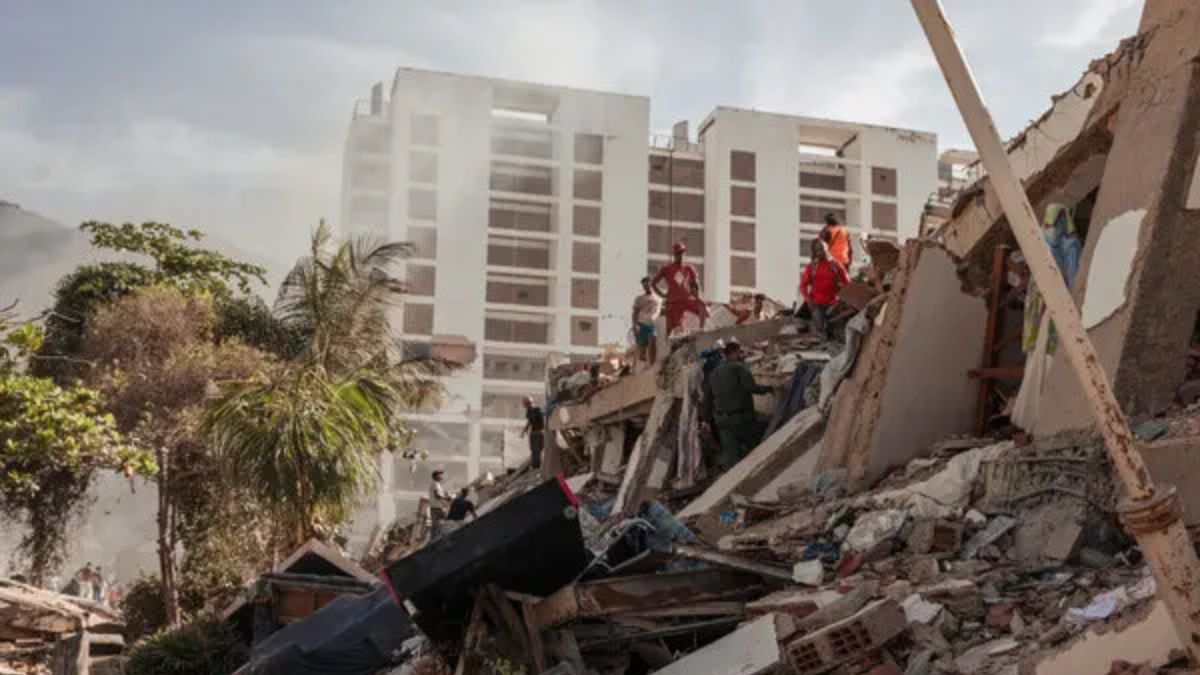

The destruction left behind by Venezuela’s twin earthquakes stretches far beyond collapsed buildings. While emergency crews continue searching for survivors beneath the rubble, another crisis is unfolding across affected communities. Families who escaped the collapsing structures are now facing a different battle. Many have nowhere to sleep, little access to clean drinking water, and no certainty about when help will arrive.
International aid has started reaching the country, but the scale of the disaster has made relief efforts incredibly difficult. Humanitarian agencies estimate that millions of people could need immediate assistance, creating a challenge that even a large emergency response cannot solve overnight.
Venezuela earthquake relief faces enormous challenges
One of the biggest reasons people are still waiting for help is the sheer size of the disaster.
The two earthquakes, measuring 7.2 and 7.5, struck within minutes of each other and caused widespread destruction across several regions. Roads were damaged, buildings collapsed, and critical infrastructure suffered heavy losses. Every damaged road, blocked street, and unstable building slows down rescue workers and relief teams trying to reach people in need.
Search and rescue operations have also remained the top priority during the first few days. Emergency crews are focusing on locating survivors trapped beneath collapsed buildings because the chances of finding people alive decrease rapidly as time passes. That means resources, personnel, and equipment are being stretched between rescue missions and humanitarian aid.
International teams from multiple countries have joined the effort, while aircraft and ships carrying emergency supplies have begun arriving. Even so, transporting enough food, medicine, shelter materials, and clean water for millions of people is a logistical challenge that cannot be completed in just a few days.
Venezuela’s existing crisis made the earthquake aftermath worse
The earthquakes struck a country that was already under immense pressure.
Years of economic decline had weakened hospitals, emergency services, and public infrastructure long before the disaster. Many healthcare facilities were already struggling with shortages of medical supplies and staff. Public services in several regions had become unreliable, leaving communities more vulnerable when the earthquakes hit.
The humanitarian situation was also difficult before the disaster. Millions of Venezuelans were already dealing with food insecurity, limited healthcare, and inadequate access to basic services. The earthquakes did not create those problems, but they dramatically intensified them.
Many survivors have shared emotional accounts of digging through debris themselves because rescue teams could not reach them immediately. Others have described waiting for essential supplies while staying outdoors or in temporary shelters, uncertain when additional assistance will arrive.
What happens next in Venezuela’s earthquake recovery?
The immediate rescue phase will eventually shift toward long term recovery, but that process could take months or even years.
Authorities and humanitarian organizations must not only continue searching for survivors but also provide temporary housing, restore damaged hospitals, repair roads, reopen schools, and rebuild entire neighborhoods. At the same time, millions of people will need ongoing access to healthcare, sanitation, clean water, and financial support as they recover from the disaster.
The speed of that recovery will depend on how effectively relief reaches affected communities and how quickly damaged infrastructure can be restored. For the families still waiting for help, every passing day is a reminder that surviving the earthquake was only the beginning of a much longer struggle.

Comments are closed.