
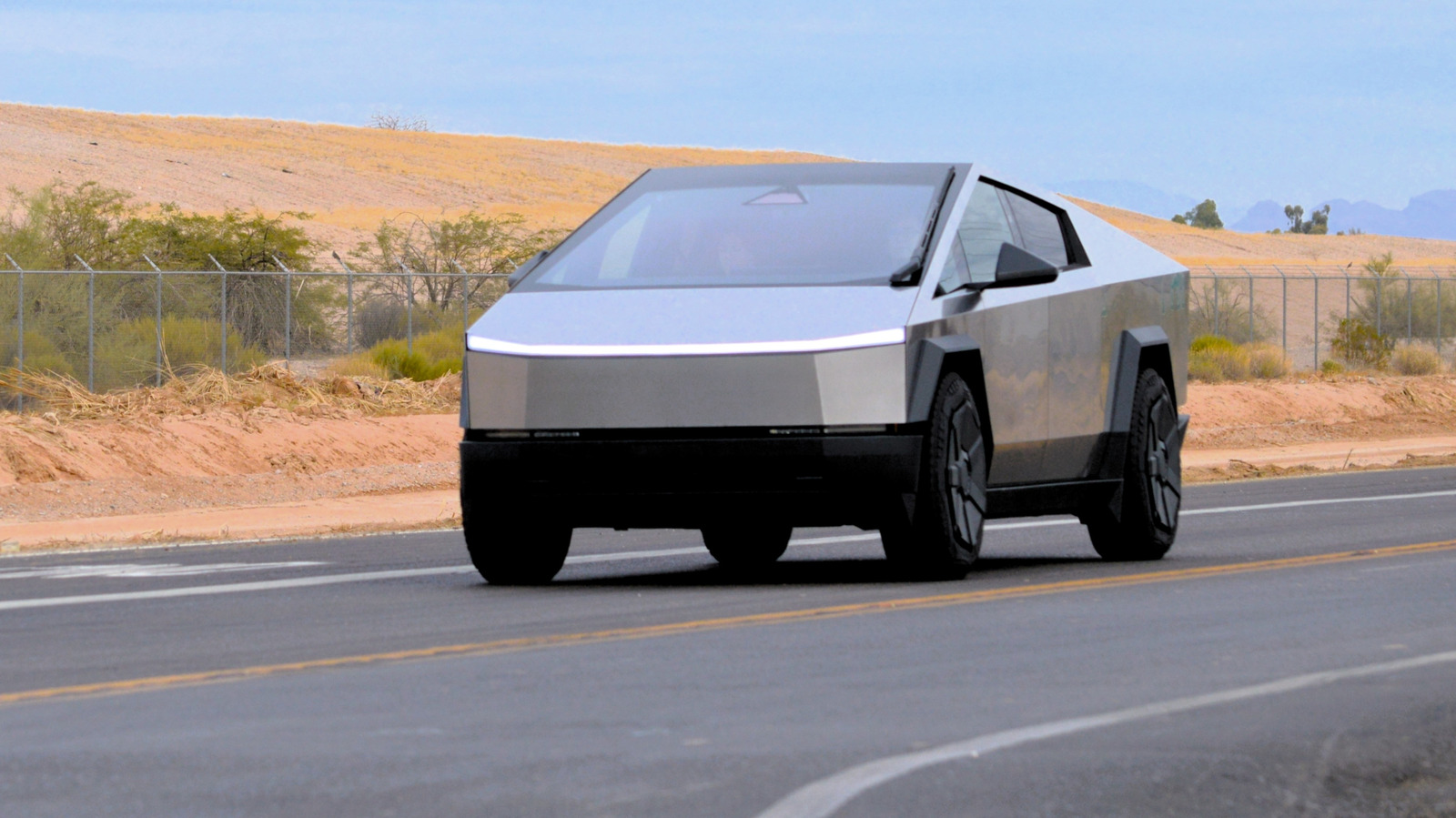

Electric vehicle owners could face an additional fee if a new federal proposal from the House Transportation Infrastructure Committee is approved. Lawmakers are getting ready to propose a bill that potentially includes a $250 annual fee for EVs and a $100 annual fee for hybrids, while a separate proposal from a group of Republican senators recently pushed for a one-time $1,000 fee for all EVs. This is the second time that Republican Chair Sam Graves has attempted to tax EVs.
The EV fees are meant to fund $500 billion-plus in infrastructure initiatives, like repairing roads and bridges. In the past, infrastructure spending was largely financed through taxes on gasoline and diesel, but as more Americans switch to electric vehicles, this revenue stream has declined. Lawmakers are hoping that taxing EVs will make up for the loss of infrastructure revenue. Their argument? EVs also use the roads — and they are heavier, causing more wear — so they should still pay some taxes toward infrastructure as well.
However, the proposed $250 EV fee is nearly triple the $88 average fuel taxes received from gas car owners, and even the $100 hybrid fee exceeds it. This is probably because the federal gas tax hasn’t been increased since 1993. Consumer Reports’ Head of Sustainability Advocacy Chris Harto stated: “EV drivers should pay into the road funding system, but taxes on EV drivers alone — no matter how excessive — won’t solve the larger problem of transportation funding shortfalls.”
Ongoing EV fees across the United States feel unfair to owners
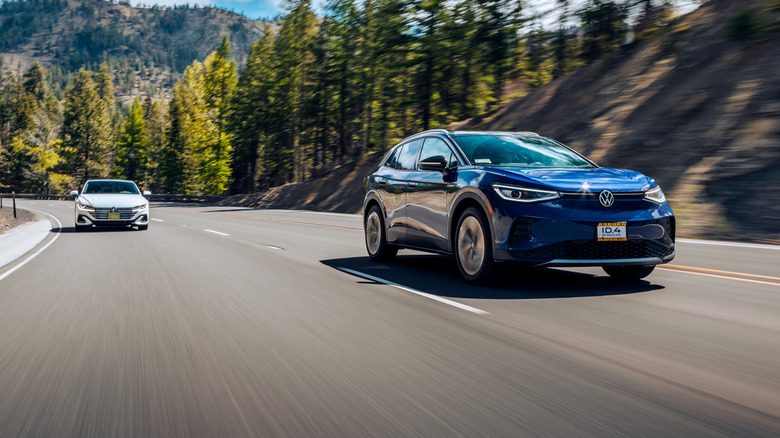
The proposed annual EV tax has raised concerns among EV owners, as many already pay taxes on hybrid or electric vehicles. There are currently 40 states that charge an additional registration fee for EVs. Similar to the federal proposal, this additional fee is intended to make up for states’ lost fuel tax revenue, but it can feel unfair to EV owners. In New Jersey, for example, EVs have a $250 annual fee that increases by $10 per year until it reaches $290 in 2028. Texas charges a $400 registration fee for new EVs, followed by a $200 annual fee.
A vehicle miles traveled (VMT) tax has been seen as a more reasonable alternative. Currently, Oregon has implemented the “OReGO” program, which charges EV drivers 2.3 cents per mile. Utah and Hawaii have similar usage-based programs that serve as a fairer alternative to flat annual registration fees. California is also thinking about implementing a “road charge.”
The flat fees from the federal government and state have not felt fair, and maybe even hostile. With the federal tax credit removed and the Trump Administration halting a clean energy program aimed at building more charging infrastructure — and even Maryland charging existing EV charging stations — the ongoing attempts to add additional taxes to EV ownership feel like a bit more of a message than a way to fix the roads.

Comments are closed.