

- Wood boards may trap and neutralize bacteria better than plastic ones.
- Cutting boards made of one solid piece of hardwood reduce bacteria risk more than glued boards.
- Sanitizing wood boards with soapy water and drying them completely removes harmful bacteria.
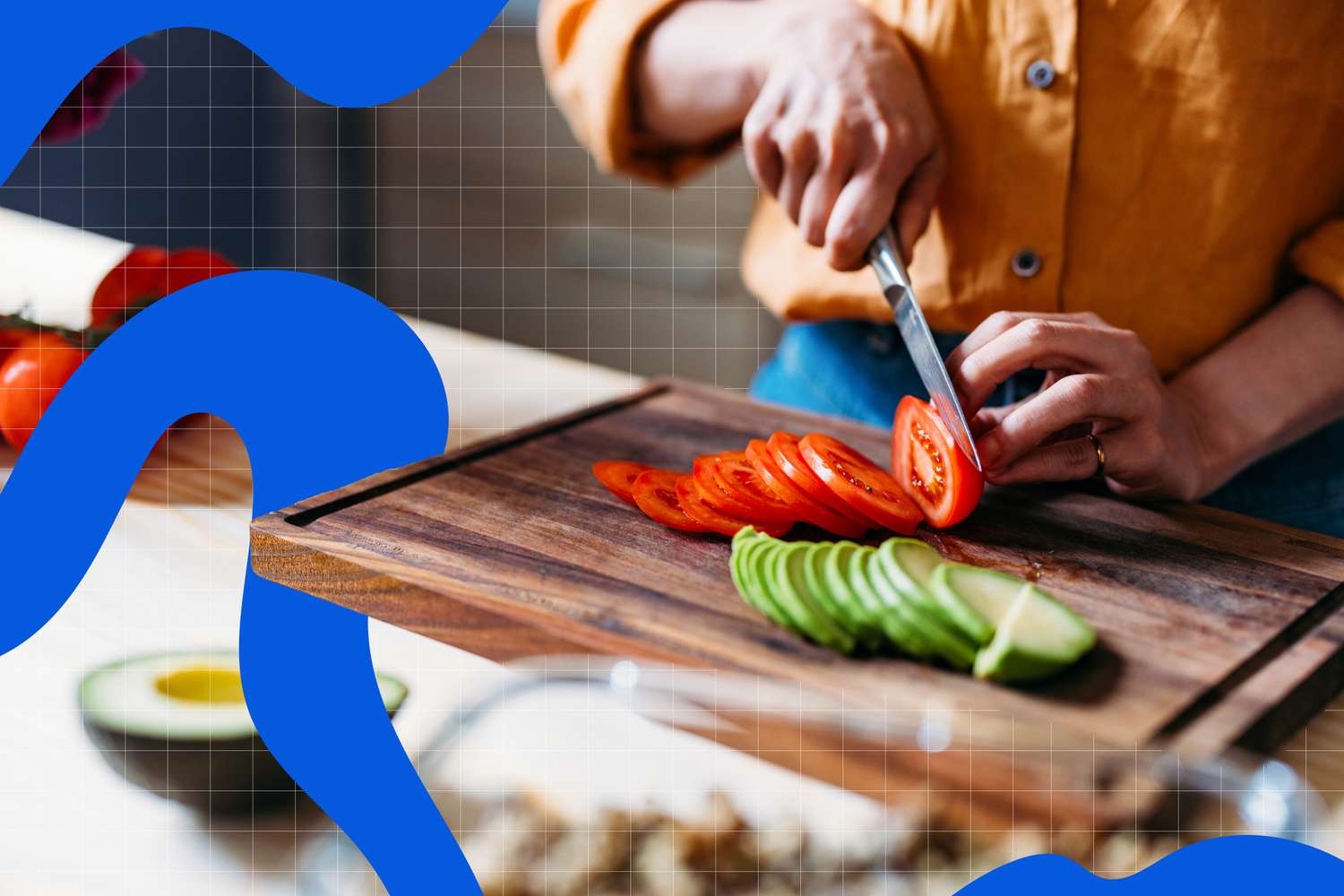
Cutting boards are an essential food prep tool that no kitchen should be without. They’re designed to protect countertops from damage, provide a stable chopping surface and help prevent cross-contamination when used correctly. With so many materials to choose from, it can be difficult to know which cutting board is best. So EatingWell spoke with four food safety experts to find out, and they all recommended wood cutting boards.
The Case for Choosing Wood
Humans have historically used a wide range of surfaces to prep food, from stones to tree stumps. The kitchen workhorse has come a long way and is now available in a range of materials, including wood and plastic. Wood cutting boards are generally crafted from a solid slab of wood or from planks of wood that are glued together. They require more care than plastic but are gentler on knife blades. Most plastic cutting boards are made from either high- or medium-density plastics or silicone and, more recently, from bioplastics sourced from plant materials like corn starch. Their affordability and durability make them an increasingly popular choice.
While wood cutting boards are porous and require more care than plastic, the food safety experts we spoke with named this type the superior choice.
“Wood cutting boards could be considered inherently safer,” says Jennifer Pallian, RDfood scientist and founder of Foodess. “From a microbiology standpoint, plastic boards let bacteria stay on the surface where they linger. They can be picked up easily for hours after exposure and may even grow if the board stays damp overnight. Wood behaves differently. It pulls liquid and bacteria into the grain almost right away. However, within a few minutes, the microbes can’t be recovered from the surface. As the board dries, the trapped bacteria die off.” In addition to the bacterial risks associated with plastic cutting boards, Pallian says growing research raises concerns over the microplastics that often chip off during cutting and make their way into food.
Michael Handaldouble food safety certified chef at the Institute of Culinary Education, says that cutting boards crafted from cherry and maple woods are among the best options, not only because they’re less damaging to the edges of knives than other materials but also due to their inherent antimicrobial properties, including tannins and lignins. “These natural properties of wood [that help protect trees from microbes] are present while the trees are alive and growing, and they are also present in the wood when fabricated into cutting boards.”
Despite the antimicrobial properties of wood cutting boards, Erin Mertzdirector RD&E, food safety and public health at Ecolab, says it’s important to consider the craftsmanship of the board itself. “[Make] sure you are choosing a cutting board made out of a single piece of hardwood, especially if cutting raw foods like meat and produce. Laminate cutting boards can peel, and wood cutting boards made of slats of wood pressed together will warp more easily and create areas for microorganisms to live and grow.” Mertz also pointed to a study where it was discovered that more bacteria were recovered from “pre-wet inoculated wooden surfaces,” indicating that wood cutting boards should be allowed to dry completely between uses to reduce the risk of cross-contamination.
How to Sanitize Wood Cutting Boards
“When it comes to food safety, wooden cutting boards are often a better option than plastic […],” says Vanessa Coffman, Ph.D.director of the Alliance to Stop Foodborne Illness. “However, this advantage depends heavily on proper care, wood type and leaving the board unsealed. Although it may feel counterintuitive, sealing or heavily treating a wood board with linseed oil, mineral oil or other finishes can block the pores that help wood trap and neutralize bacteria.” Coffman explained that sealed wood cutting boards behave more like plastic, keeping bacteria at the surface instead of pulling them inward.
According to all the experts, sanitizing wood cutting boards isn’t as complicated as it may seem. In fact, they agree that simply scrubbing wood boards with hot, soapy water and letting them dry out completely before using them again is an effective way to prevent bacterial survival and foodborne illnesses. Coffman shared a recent study that demonstrated below detectable limits of bacteria on wood cutting boards after routine manual washing.
For a deeper clean, Pallian recommends coating wood cutting board surfaces with a solution made by mixing 1 tablespoon of unscented liquid bleach with 1 gallon of water, allowing the solution to sit for a few minutes, then thoroughly rinsing it with clean water and letting it dry completely. Mertz adds that this extra step is especially important when using the same board to prepare raw foods—such as those containing E. coli and Salmonella—and ready-to-eat foods. “Even with ready-to-eat foods, best practice is to wash and sanitize a cutting board before moving on to the next food type. Ideally, two cutting boards would be used: a cutting board designated for raw meats and another for other foods,” advised Mertz, noting that it’s just as important to clean and sanitize knives between foods.
Our Expert Take
Only you can decide what material is best for your food preparation needs, but with food safety experts unanimously backing wood cutting boards, citing their antimicrobial properties, you may want to consider making the switch—or at the very least adding one to your kitchen tool collection. Just be sure to follow their advice, which includes avoiding sealing boards with oils or other insoluble solutions, scrubbing boards with hot, soapy water and allowing them to dry thoroughly between uses.

Comments are closed.