
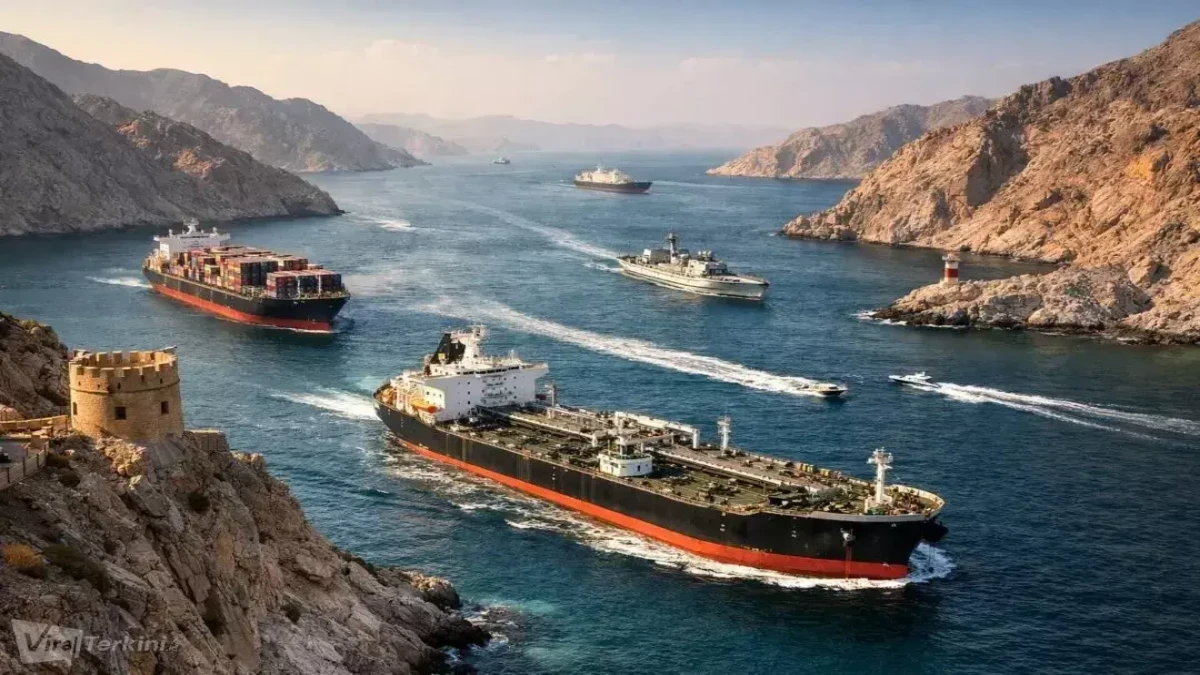

Iran is currently in a significant conflict with the US and Israel, following strikes that reportedly killed its Supreme Leader and others. As a result, Tehran has blocked the Strait of Hormuz, a crucial route for global oil and gas shipments. Iran is using this blockade to pressure its opponents by primarily restricting or blocking commercial ships linked to the US, Israel, and their allies. This has disrupted global energy supplies, with reports of mining or threats to vessels deemed hostile. The main point is that Iran is selectively enforcing the blockade to punish its adversaries while still engaging with non-hostile nations.
However, Iran has allowed limited passage for some non-Western or “friendly” ships, including several from India. These include Indian-flagged LPG carriers such as Shivalik and Nanda Devi, which crossed safely in mid-March 2026 after diplomatic efforts. Other nations, including China, Russia, and Turkey, have also received occasional approvals, but the blockade remains strict for most traffic, causing disruptions of up to 97% in some evaluations.
This selective approach does not mean Iran is blocking everyone except India. Instead, it prioritizes passage for nations it views as non-hostile. Iran’s ambassador to India and other statements emphasize that the strait is open to all except for “enemies,” primarily ships linked to the US and Israel. They aim to ensure that innocent third countries do not suffer unnecessarily.
There are key reasons why Iran allows some Indian ships through, based on historical ties, diplomacy, and strategic interests:
* Long-standing India-Iran relationship — There have been decades of cooperation, including the Chabahar Port project, which India developed to access Afghanistan and Central Asia without going through Pakistan. India has traditionally been a significant buyer of Iranian oil.
* India’s neutral stance — India has not fully joined Western sanctions on Iran and has maintained some oil imports even amid rising US pressure. In the ongoing conflict, India has kept a neutral position, avoiding strong public condemnation of Iran and focusing instead on dialogue, de-escalation, and civilian safety.
* Diplomatic signaling and public relations — By allowing Indian and some non-Western ships to pass, Iran communicates that it is not a rogue state trying to disrupt all global trade; it is only targeting its direct foes. This framing helps portray the blockade as a measured response rather than a reckless disruption.
* Economic and geopolitical pragmatism — India is a major economy and an emerging power. Fully antagonizing India could lead to further isolation for Iran, especially since India could serve as a valuable channel to the wider world. Blocking Indian ships would mean losing a critical non-hostile partner.
* Quiet diplomacy and case-by-case approvals — There is no blanket arrangement for passage, as clarified by India’s External Affairs Minister S. Jaishankar. Approvals often follow direct discussions between foreign ministers or officials. Some reports suggest Iran seeks concessions, such as the release of seized Iranian-linked tankers, but India has denied any explicit trade-offs.
After talking with Iranian President Masoud Pezeshkian around March 12, 2026, PM Modi posted on X (formerly Twitter) expressing deep concern about the escalation of tensions and the loss of civilian lives along with damage to civilian infrastructure. He reiterated India’s commitment to peace, stability, dialogue, and diplomacy to resolve the crisis, while prioritizing the safety of Indian nationals and ensuring uninterrupted energy supplies. This statement matched India’s neutral approach, which avoids directly blaming Iran while calling for de-escalation.

Comments are closed.