
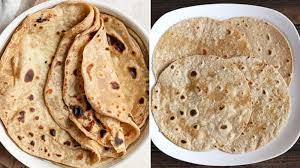

Often the leftover bread in the house is thrown away or sometimes people hesitate to eat it. But Ayurveda and nutrition experts believe that stale bread can be beneficial for some people from health point of view.
Stale bread and its benefits
The process of breakdown of starch starts in stale bread, which is called resistant starch. This starch is slowly digested in the body and helps in controlling blood sugar levels. Apart from this, stale bread has high amount of fiber, which is beneficial for the stomach.
Advantages:
Beneficial for diabetic patients – Blood sugar does not increase rapidly due to resistant starch.
Improves digestion – The presence of fiber helps in cleaning the intestines and reduces the problem of constipation.
Helps in weight control – Stale roti keeps the stomach full for a long time and controls hunger.
Beneficial for gut health – It works as probiotics and promotes good bacteria in the stomach.
Who should eat it?
Diabetic patients – Stale bread is ideal for keeping blood sugar under control.
People trying to lose weight – Due to keeping the stomach full for a long time, hunger decreases.
People with digestive problems – Provides relief from constipation and gas problems.
People at risk for heart disease – Resistant starch and fiber help control cholesterol.
How to eat stale bread
Stale bread can be lightly roasted on a pan or eaten with soup/vegetables.
Do not fry it too much in oil or ghee, this may reduce the benefit of fiber.
Use the leftover roti from the night in the morning or lunch the next day.
Expert opinion
Dieticians say that stale bread is beneficial only when it is stored clean and safely. Never eat bread with smell or mold. Even from Ayurvedic point of view, stale roti is considered easily digestible and it helps in keeping the stomach warm in winters.
Also read:
Annamalai’s statement before BMC elections created a stir, she said this on Mumbai

Comments are closed.