
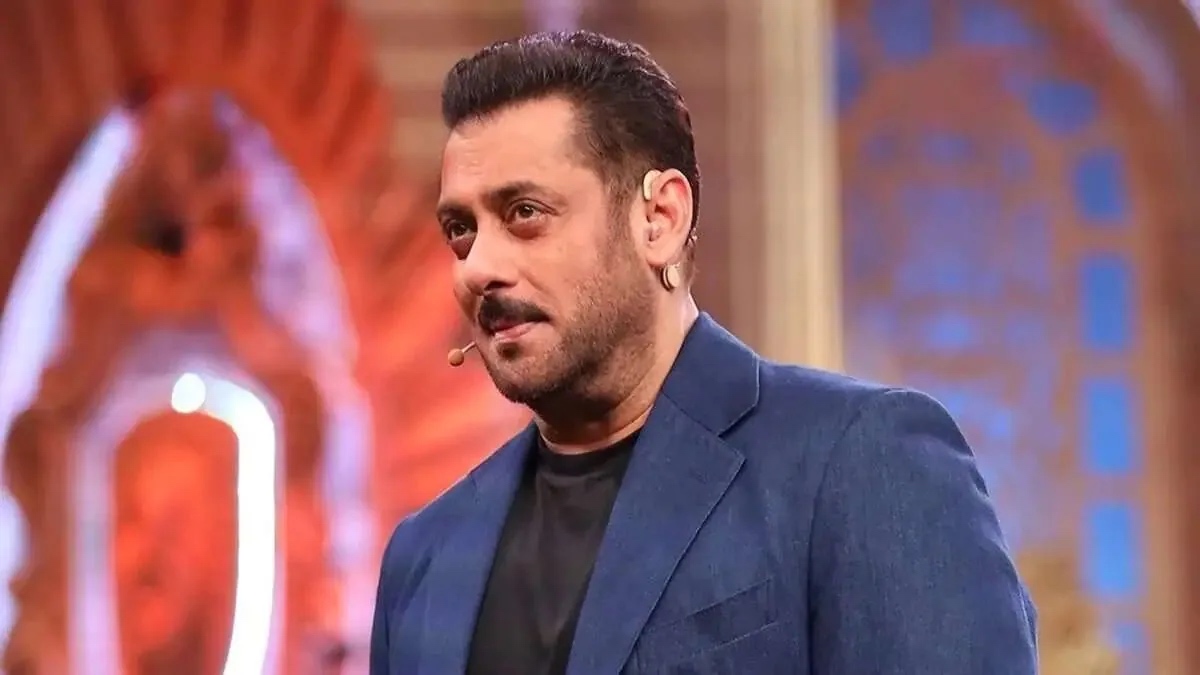
Why More Celebrities Are Moving Court to Protect Personality Rights: Salman Khan’s Case Signals A Growing Trend

The legal debate over personality and publicity rights has gained new urgency after Bollywood superstar Salman Khanapproached the Delhi High Court seeking protection against the unauthorised use of his name, image, voice and likeness across digital platforms. Acting on his plea, the court has now directed social-media intermediaries to respond to his complaints within three daysa rare, time-bound instruction that underscores how serious the issue has become in the digital age.
The High Court’s directive, reported by multiple agencies emphasises that platforms must act swiftly when notified of content that potentially misuses a celebrity’s identity. With the explosive rise of AI-generated content, cloned voices and deepfakes, the ruling reflects a growing judicial recognition that misuse of a public figure’s persona can spread rapidly and cause both reputational and commercial harm.
Salman Khan’s Fight for Control Over His Public Persona
In his plea, Salman Khan argued that various online users and platforms were exploiting his image and persona without authorisation — ranging from misleading posts to altered videos and unapproved commercial associations. His legal team maintained that such misuse not only diluted his identity but could also mislead fans and the public.
The Delhi High Court responded by instructing intermediaries to remove or restrict access to any infringing content within three days of receiving a complaint. This accelerated timeline is significant because it compels platforms to exercise immediate due diligence, particularly in cases where a public figure’s reputation may be at stake. The court also acknowledged that digital misuse today can multiply within hours, making timely action essential.
Understanding Personality and Publicity Rights in India
Personality rights allow an individual to control how their name, image, voice, likeness, signature, dialogue delivery or any distinctive trait is used publicly or commercially. While India does not have a single codified statute governing these rights, courts have consistently upheld them under the umbrella of privacy, intellectual property principles and the right to be protected from passing-off.
With the rise of AI tools capable of cloning voices or generating photorealistic images, the misuse of a celebrity’s identity has become easier than ever. This is why courts are playing an increasingly critical role in recognising and enforcing these rights through interim orders and ongoing proceedings.
A Growing Trend: More Celebrities Seek Legal Protection
Salman Khan’s move is part of a broader pattern within the Indian entertainment industry. In recent years, several prominent actors have approached courts seeking similar protection, and the trend has only intensified as deepfakes and AI content become commonplace.
Amitabh Bachchan was among the first major stars to obtain sweeping protection from the Delhi High Court, which restrained unauthorised use of his name, voice and likeness across digital and commercial mediums. Following him, Anil Kapoor secured a similar order that barred unapproved use of his voice, dialogue catchphrases and iconic gestures. Jackie Shroff also successfully petitioned the court to prevent misuse of his persona online, including edited videos and AI-generated clips. Actor Sonu Sood obtained relief to stop businesses from using his pictures and videos without consent, marking another significant moment in the strengthening of these rights.
These precedents show that what was once an occasional legal battle has now evolved into a sustained movement, with celebrities taking proactive steps to reclaim control over how their identity is used in an increasingly unregulated digital environment.
Why This Trend Matters for the Entertainment Industry
The sudden increase in legal petitions is rooted in the changing nature of the digital ecosystem. Social-media content now travels faster than ever, fan-edited videos often blur the line between creativity and infringement, and emerging technologies can replicate a celebrity’s face or voice with alarming accuracy. For public figures whose reputation directly influences brand value, endorsements and their relationship with fans, unmonitored use of their persona can lead to substantial financial and reputational losses.
The judiciary’s evolving stance reflects this shift. Courts are not only acknowledging personality rights more confidently but are also issuing stringent directions to platforms, advertisers and content creators. As seen in Salman Khan’s case, the mandate for quick platform response could become a new standard — one that safeguards both celebrities and the integrity of digital content.
What Happens Next
With the Delhi High Court’s order now in effect, digital platforms will be under pressure to comply promptly whenever they receive complaints relating to Salman Khan’s personality rights. Legal experts believe the case could shape future jurisprudence and influence platform policies around identity misuse, especially in the age of AI.
As more Indian actors seek judicial protection, the industry may eventually push for clearer statutory guidelines on personality rights. For now, the courtroom remains the primary arena where celebrities are asserting control over their identity, signalling a pivotal shift in how fame intersects with digital rights.

Comments are closed.