
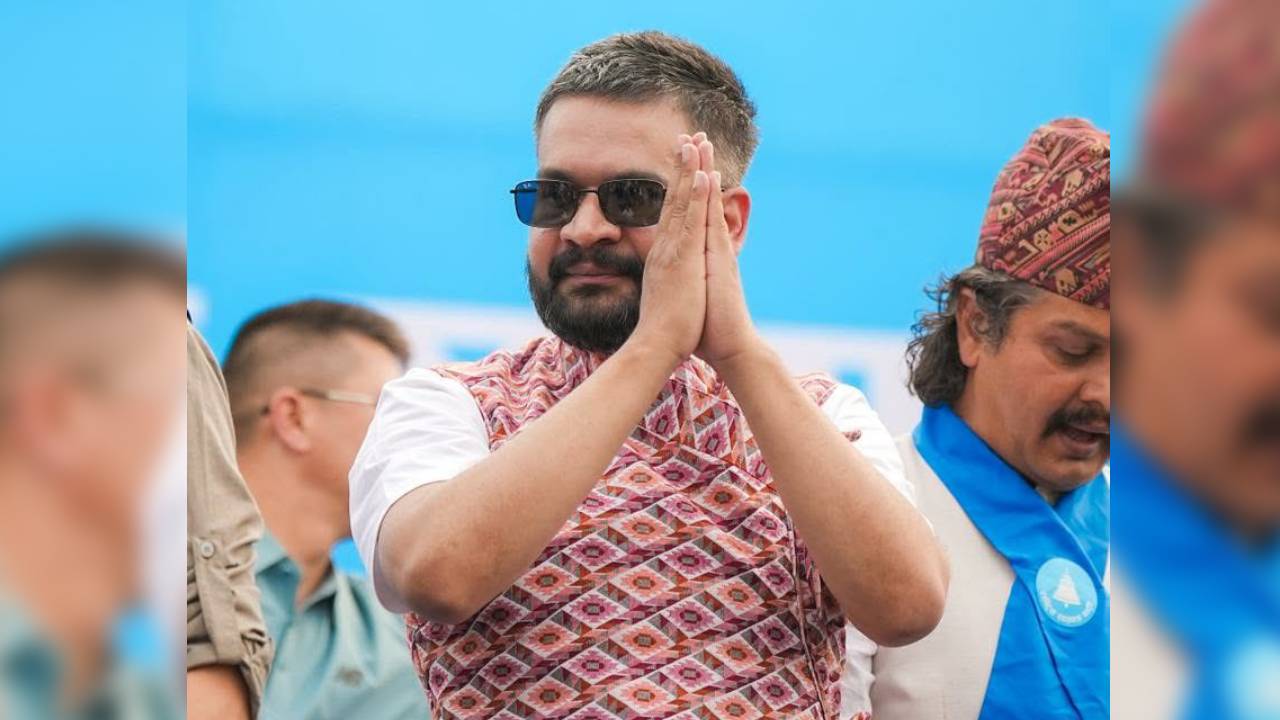

Nepal Politics: New Prime Minister as soon as he assumes power in Nepal Balen Shah has taken a big and controversial step, which has sparked a new debate in both education and politics of the country. Immediately after taking oath, his government has decided to impose a complete ban on student organizations affiliated to political parties in schools and universities.
According to the order, within 60 days the activities of all party-affiliated student unions will be terminated and in their place bodies like elected ‘Student Council’ or ‘Student Voice’ will be established.
What is the meaning of this decision of the government?
The government is calling this not just an administrative reform, but a big step towards freeing the education system from the influence of politics. However, this decision has given rise to widespread debate, especially because Balen Shah himself is considered the product of a mass movement that challenged traditional politics.
How did Balen Shah come to power?
During the Gen-Z movement in the year 2025, lakhs of youth took to the streets against corruption, social media ban and increasing youth unemployment. This movement shocked the established political parties of Nepal and paved the way for the emergence of new political forces.
Rapper turned politician Balen Shah converted this public support into political power. After becoming the Mayor of Kathmandu, he strengthened his hold at the national level and his Rashtriya Swatantra Party (RSP) won the majority in the 2026 elections. The support of the youth has been his biggest strength.
The government imposed a ban, what was the reason given?
Now this youth base has come at the center of this decision. The government argues that student organizations have now become extensions of political parties rather than platforms for education. Student organizations associated with Nepali Congress, UML and Maoist parties have been accused of violence, vandalism, extortion and disruption of academic activities on campus.
The government says that it is necessary to free educational institutions from these activities so that the learning environment can improve. With the same logic, policies to control or ban student politics have been adopted in some states of India, especially Uttar Pradesh, for a long time.
How is Balen Shah’s image in Nepal?
Balen Shah’s image till now has been that of a clean, anti-corruption and youth-centric leader. But this first major decision taken after coming to power is being seen as a test of his image. He is now being accused of limiting the political space of the youth power that brought him to power.

Comments are closed.