

Cold air, low humidity and indoor heating quietly worsen respiratory discomfort in winter. Ayurveda offers a simple explanation and a familiar kitchen remedy.
As winter deepens, many people find themselves dealing with persistent throat phlegm, dry cough, chest tightness and a heavy feeling while breathing. Despite taking medicines, the discomfort often returns, especially in the early morning or at night. According to Ayurveda, this seasonal pattern is not accidental but rooted in how the body responds to cold, dry weather.
Winter naturally increases Kapha in the body. Cold air reduces moisture in the respiratory tract, drying the throat while thickening mucus inside the chest. This combination makes phlegm harder to expel, leading to frequent coughing, throat irritation and breathlessness.
Another contributing factor is reduced ventilation during winter. Doors and windows remain shut to keep warmth inside, trapping dust, allergens and microbes indoors. At the same time, heaters and room warmers further dry the air, irritating the respiratory lining. Together, these conditions worsen cough and congestion, especially in people with weak immunity, sinus issues or asthma-like symptoms.
Ayurveda also distinguishes between two common winter cough patterns. The first is dry coughwhere irritation exists but phlegm does not come out easily. This causes throat scratching, hoarseness and chest discomfort. The second is productive coughwhere thick mucus accumulates in the chest or throat, making breathing heavy and the voice unclear. Both patterns become more frequent in cold months due to aggravated Kapha.
Relying only on external medicines without correcting internal imbalance may offer temporary relief but not lasting comfort. Ayurveda focuses on warming the body from within, reducing mucus thickness and soothing irritated airways.
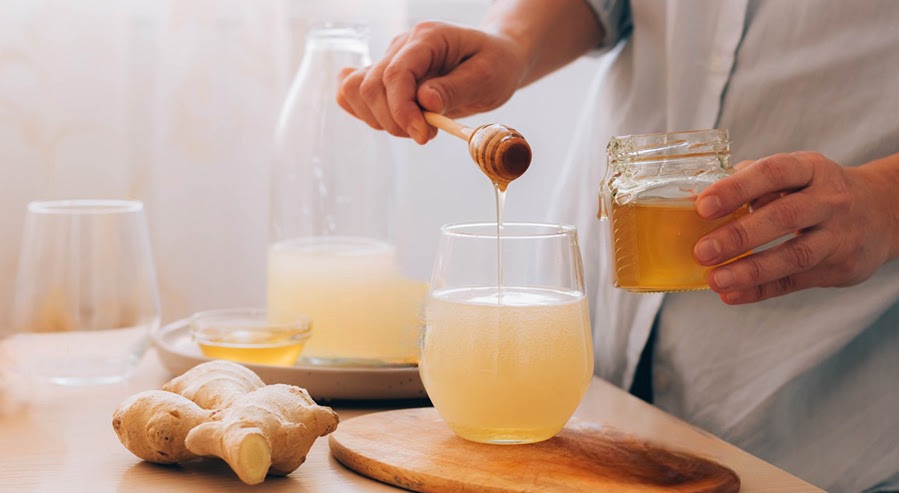
One of the most effective home remedies highlighted is fresh ginger juiceGinger is naturally warming and helps break down thick phlegm while calming cough reflexes, Acharya Balkrishna suggests taking one to two teaspoons of fresh ginger juice mixed with honeypreferably in the morning or before bedtime. Honey acts as a natural expectorant and coats the throat, reducing irritation and dryness.
For better results, the mixture can be taken lukewarm. Ginger tea or adding grated ginger to warm water also helps relieve chest heaviness and supports digestion, which Ayurveda considers essential for respiratory health.
Modern research also supports ginger’s anti-inflammatory and antimicrobial properties. Studies indicate that ginger helps relax airway muscles, reduces throat inflammation and improves mucus clearance — aligning with Ayurvedic understanding.
Along with remedies, certain lifestyle changes are equally important. Drinking warm water throughout the day, avoiding cold foods, and limiting dairy intake during active cough phases help reduce mucus production. Gentle steam inhalation can loosen congestion, while maintaining proper indoor ventilation prevents allergen buildup.
Ayurveda emphasizes that winter ailments are best managed through consistency rather than quick fixes. Small daily habits like warm foods, proper hydration and simple herbal remedies, strengthen immunity and reduce recurring respiratory issues.
By addressing both the cause and symptoms, Ayurveda offers a balanced approach to managing winter cough, phlegm and chest discomfort naturally and effectively.
Disclaimer: This article is for general information only and does not substitute professional medical advice. Consult a qualified healthcare practitioner before starting any remedy, especially if you have chronic conditions or are on medication.

Comments are closed.