
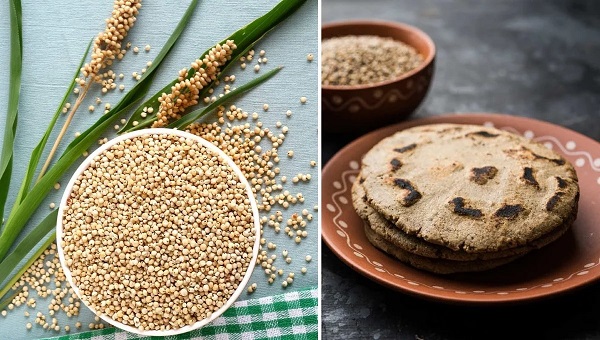

New Delhi . Jowar is gluten-free and is counted among the best grains. In English it is known as sorghum. In India, jowar is known by different names in different states, such as Cholam in Tamil Nadu and Jonna in Andhra Pradesh. Flour is made by grinding jowar which is used in making roti, bhakri, cheela, dosa etc. It is a member of the millet family, so it is already in use. Its nature is hot and people often like to eat jowar roti in winter. There are many benefits of eating it. As,
1. Gluten-Free
Gluten is a protein component found in wheat and barley based foods. It causes digestive problems like bloating, pain and stomach cramps. Due to the absence of gluten in jowar, it is consumed in large quantities.
Compared to other grains like barley or rice, sorghum has a very high fiber content. One serving of jowar contains more than 12 grams of fiber which is almost half of the fiber requirement. High fiber diet protects from problems like obesity, stroke, high blood pressure, heart disease, diabetes and digestion.
3. Control blood sugar
Jowar is a complex carbohydrate which is digested slowly. As a result, it keeps blood sugar stable, hence, it is an excellent option for diabetics and people looking to lose weight.
4. Contains more protein
100 grams of jowar contains 11 grams of protein which provides energy to the body and helps in repairing the tissues.
5. Rich in iron
One cup of jowar contains 8.45 mg of iron. The iron in sorghum is non-heme (difficult to absorb) so combining it with a source of vitamin C will give you maximum benefit.
6. Good for the bones
Sorghum contains high amounts of magnesium. Jowar helps maintain calcium levels in the body as magnesium increases calcium absorption.
7. Helpful in weight loss
Jowar contains more fiber than other grains. Fiber makes you feel full and you eat less, which increases the chances of losing weight.
Comments are closed.