
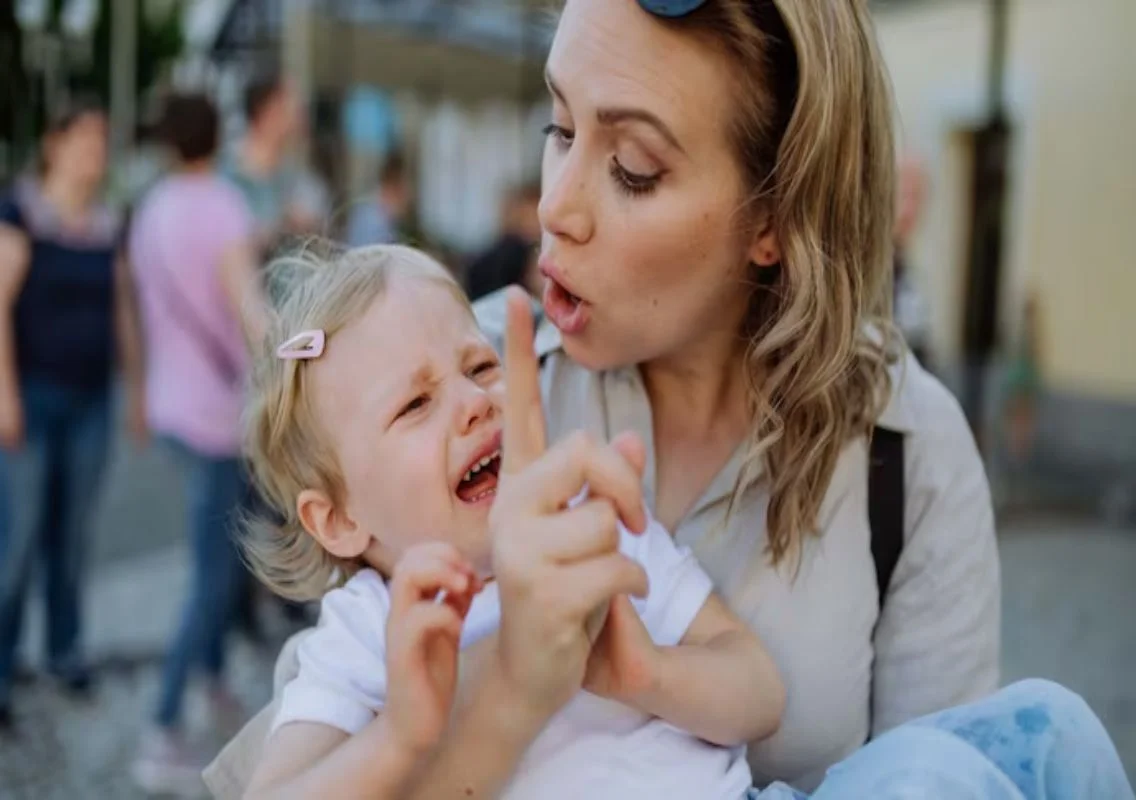

Bengaluru: Parenting in public spaces can often test patience, especially during moments of stress, exhaustion, or urgency. A child refusing to listen at a supermarket, throwing a tantrum at a restaurant, or acting out at a mall can quickly overwhelm even the most composed parent. In such moments, raising one’s voice may feel instinctive. However, experts warn that shouting at children in public can have deeper and more lasting effects than many realise.
While a single outburst does not define a parent or a child, repeated instances of harsh behaviour, particularly in public settings, can shape a child’s emotional world, behaviour patterns, and self-perception in significant ways.
Public reactions leave private imprints
Children are highly observant and tend to learn more from what parents do than what they say. According to paediatric experts, a parent’s behaviour in public acts as a powerful model for how children understand social interactions and emotional responses.
When parents handle stressful situations calmly, communicate respectfully, and show patience, children are more likely to internalise these behaviours. Over time, this helps them build confidence, develop empathy, and learn appropriate social conduct.
On the other hand, shouting, scolding harshly, or displaying anger in public can be confusing and distressing for a child. Such reactions may not only embarrass them but also create feelings of fear, insecurity, and shame. In some cases, children may begin to imitate the same behaviour in their interactions with peers and siblings.
Emotional impact goes beyond the moment
Experts highlight that the effects of public scolding are not limited to the immediate situation. In the short term, children may feel anxious, humiliated, or withdrawn. They might become unusually quiet or overly cautious, trying to avoid further confrontation.
Over time, repeated exposure to such behaviour can affect emotional development. Children may struggle with regulating their emotions, become overly sensitive to criticism, or develop social anxiety. Some may internalise negative feelings, leading to low self-esteem, while others may mirror aggressive behaviour.
Additionally, frequent public reprimands can alter how safe a child feels in their environment. Calm and supportive parenting helps children see the world as secure and manageable, whereas repeated anger-driven reactions may make them perceive it as unpredictable or threatening.
The role of observation in learning behaviour
Psychologists emphasise that children learn emotional regulation, accountability, and resilience primarily through observation. When parents pause before reacting, acknowledge their own frustration, and respond thoughtfully, they demonstrate that emotions can be managed constructively.
Similarly, when parents apologise for their mistakes, even in small situations, children learn accountability and develop a healthy understanding of responsibility. These everyday actions help build a child’s moral framework, not through fear, but through example.
Resilience, too, is shaped in these moments. When parents handle minor inconveniences without overreacting, it reassures children that challenges are temporary and manageable. This builds confidence and emotional strength over time.
Words spoken in public matter
Beyond actions, the way parents speak about their children in public also plays a crucial role. Casual remarks, labels, or comparisons can leave lasting impressions.
Statements such as “he’s always naughty” or “she’s bad at studies,” even when said jokingly, can slowly become internalised by children as part of their identity. Public criticism or sharing embarrassing details can lead to feelings of shame and reduce a child’s self-worth.
Conversely, speaking with respect, acknowledging effort, and offering encouragement in public settings can boost a child’s confidence and sense of security. It reinforces the idea that they are valued and supported.
Small moments, lasting lessons
What may seem like a fleeting moment of frustration can carry long-term consequences. Children who frequently experience public scolding may become hyper-aware of their parents’ moods, constantly trying to avoid conflict. This can affect their natural behaviour and limit their ability to express themselves freely.
Moreover, these experiences influence how children approach relationships in the future. They may either adopt similar patterns of communication or become overly submissive in social situations.
A mindful approach to parenting
Parenting does not demand perfection, but it does require awareness. Occasional mistakes are natural, and one moment of anger is unlikely to cause lasting harm. However, recognising these moments and making an effort to respond differently in the future can make a significant difference.
Simple actions such as pausing before reacting, explaining feelings calmly, or even apologising to a child after a mistake can help rebuild trust and strengthen the parent-child bond.
The conclusion
In today’s fast-paced world, moments of stress are inevitable. But how parents respond in those moments — especially in public — plays a crucial role in shaping a child’s emotional and social development.
Shouting may offer temporary control, but calm communication builds long-term understanding. Ultimately, it is these small, everyday interactions that quietly shape a child’s confidence, behaviour, and worldview.

Comments are closed.