
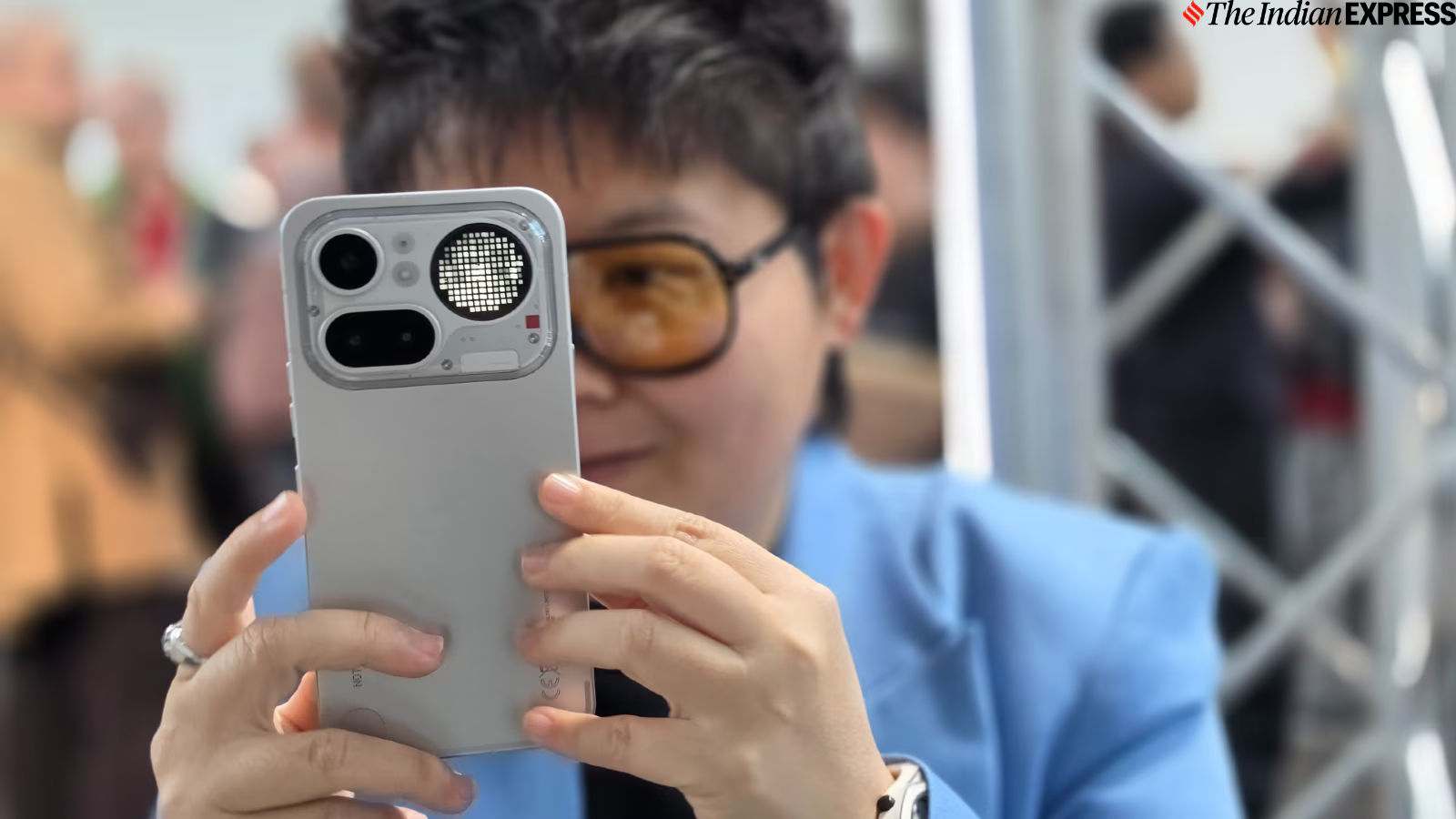

For the first time, I saw the Phone 4a Pro on stage at Nothing’s event in London, and the reveal shocked me. Honestly, I wasn’t prepared for a design change that, in my opinion, is very decisive. I thought Nothing would have stuck with the semi-translucent design language that has become its identity. However, the latest Phone 4a Pro is very different from the Nothing phones I have known, having covered the brand since its inception. In what is perhaps the most interestuing departure is the see-through design, and the rear is far from similar to the Phone 4a, or last year’s Phone 3, for that matter. Instead, it now features a metal unibody design with transparency limited to the camera module. It’s like breaking societal expectations, especially for a brand like Nothing.
It’s been only a few hours since the Phone 4a Pro was unveiled, and I am already getting calls from friends—this new design has clearly divided opinions. Some people didn’t like it, while others did, but it’s safe to say that Nothing’s bold new design language is undeniably polarising.
A slim, metal phone
Nothing’s whole identity has been its translucent design, and I am its biggest cheerleader. I like how Nothing products look and feel, and the design language is very unique to the brand. It takes me back to t0 the 90s and early 2000s when both Apple and Nintendo were experimenting with translucent designs.
Now, the Phone 4a Pro has adopted a style very similar to Apple, Samsung, or other major phone companies. At first, it reminds me of the iPhone 17 Pro Max, with its all-metal unibody design and a camera plateau. Sure, the design is very refined and polished, as expected from a modern flagship. In fact, this design language is exactly what we have seen for years and has become almost standardized.
I am sure the Phone 4a Pro will divide critics. On one hand, some may call it a bold move and refreshing to see Nothing redesigning a smartphonem, especially for a series with a large audience, at a time when many brands are unwilling to experiment. On the other hand, some may say that Apple has inspired Nothing, and that influence is reflected in the design of the Phone 4a Pro. I will let you decide.
For me, though, Nothing still wants all your attention focused on the rear of the phone from a design perspective, just as it did when it began its experiment with the Phone 1, its debut smartphone. Even though the Phone 4a Pro has design elements that make it feel mainstream like a metal unibody similar to many flagship Android phones, there is a twist to the design which I would like to call Nothing’s swag.
The back of the phone has a raised camera plateau at the top that houses the camera system along with the Glyph Matrix, which consists of LEDs arranged in a small bar to alert users to incoming notifications, adding a distinct touch. First seen on last year’s Phone 3, the Glyph Matrix is arranged in a circle and can also show a timer, the battery level, or even act as a stopwatch. Nothing calls these features Glyph Toys.
Story continues below this ad
I like the concept of the Glyph Interface. It may seem silly, but it’s a lot of fun and adds character to the phone. Think of it as a secondary screen but not a traditional display. Instead, it’s a monochrome display that promises to make key information more accessible. It is over 50 per cent larger than the one fitted to the high-end Phone 3, and while it has fewer mini-LEDs, they shine twice as bright. One feature of the Glyph Matrix display that is particularly useful to me, at least, is that it lets you activate Live Updates for things such as Uber rides and Google Calendar events.
However, on the Phone 4a Pro, unlike the Phone 3, the Glyph button is missing; tapping it previously allowed users to cycle through the Glyph Toys toolkit. Instead, you will have to dig into the Settings menu to switch between different Glyph features.
Bigger and brighter display
The Phone 4a Pro packs a bigger 6.83-inch screen, features a higher 144Hz refresh rate, and is brighter. The 5,000-nit peak brightness claim only applies to a small part of the screen and only when displaying HDR content, but it still soundly beats the Phone 3’s 4,500 nits. This is easily the best screen I have seen on a Nothing phone. I couldn’t consume any content on the demo unit during my limited hands-on time, but the 2800×1260 resolution looked sharp, with wide viewing angles and vibrant colours. Adding to that is Gorilla Glass 7i protection, which should help protect the screen from scratches.
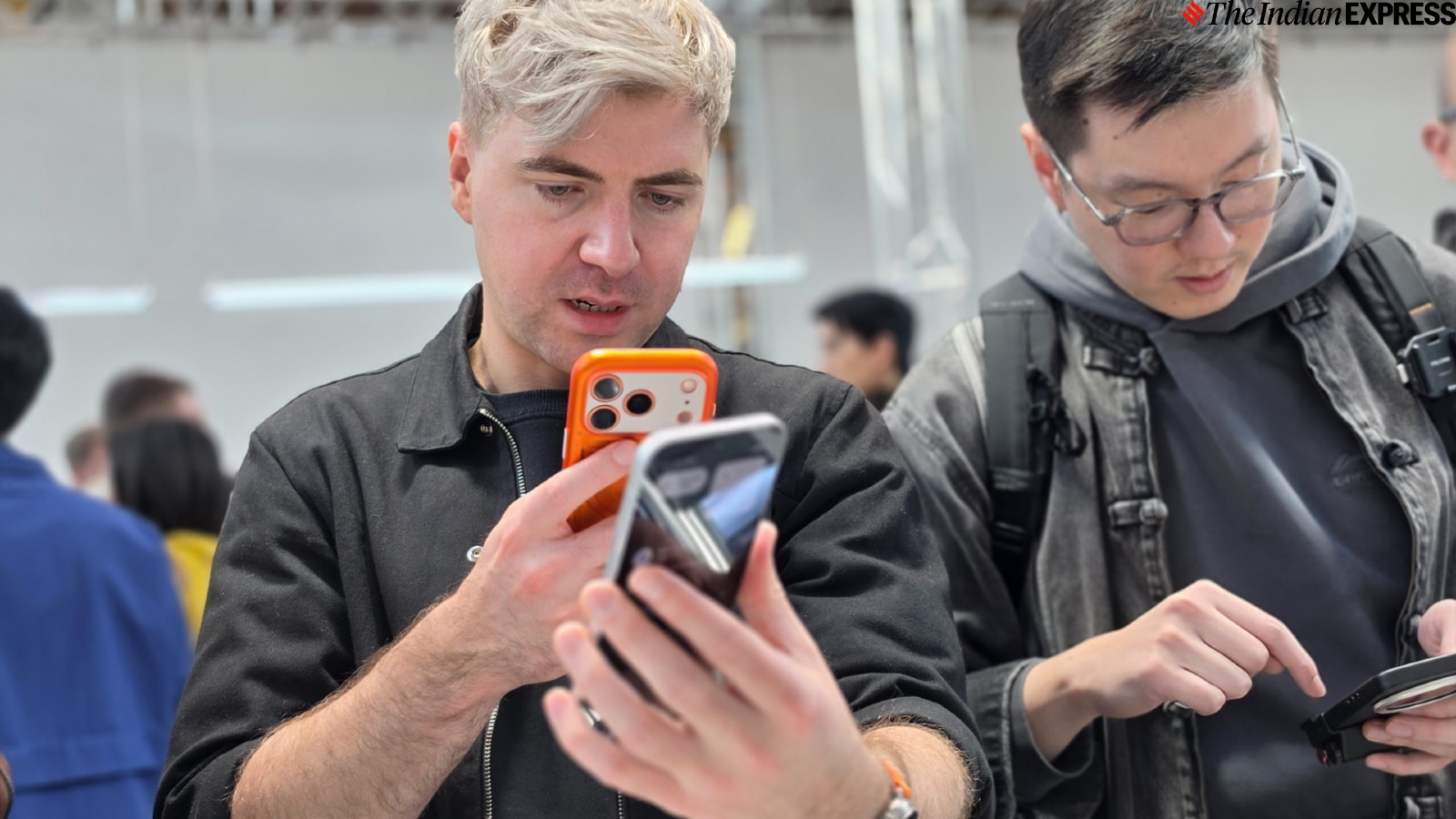
A bump-up in performance
Inside the Phone 4a Pro is a Qualcomm Snapdragon 7 Gen 4 chipset, paired with either 8GB or 12GB of RAM and 128GB or 256GB of storage. I would say the Phone 4a Pro’s hardware is marginally a step up from the Phone 4a’s Snapdragon 7s Gen 4, but Nothing says you can expect 30 per cent improved graphics performance and 27 per cent faster CPU speeds.
In my time with Nothing phones, performance has never been an issue. The company is great at optimising Android to run smoothly on its devices. I am not into mobile gaming, but my main concern is whether a phone can run the applications I use on an everyday basis. That’s more important to me.
Story continues below this ad
How long the phone lasts on a single charge, and whether it will last a day, two days, or more, is still unknown. I think the 5,400mAh battery should be good enough to last a full day, along with support for 50W fast charging. My Phone 4a lasted over two days, but I expect the Phone 4a Pro’s battery life might be limited to a day, given its larger screen and more powerful hardware.
Cameras: are they different?
Although during the event it appeared that the Phone 4a Pro has a different camera setup compared to the Phone 4a, the three cameras on the rear don’t look any different from the Phone 4a’s. Both have a 50MP main lens, a 50MP periscope telephoto camera good for 3.5x zoom, and an 8MP ultrawide at the back, plus a 32MP punch-hole selfie camera on the front. However, there is a difference in the camera specifications – at least on paper.
Instead of the Phone 4a’s Samsung-led camera setup, the Phone 4a Pro has a Sony LYTIA 700C sensor. Both are virtually the same physical size, but in theory the Pro should at least offer better image quality and speedier autofocus.
I couldn’t properly test the Phone 4a Pro’s camera in the demo area, but in my review of the Phone 4a I did mention that the phone’s camera impressed me. I don’t think the Phone 4a Pro’s camera is at the iPhone 17 Pro level yet, but I did see an improvement in the camera system on Nothing phones. It will continue to improve.
Slick software experience
No matter what others say, for me, the real game right now in phones is the software experience. I was at the Samsung Galaxy Unpacked event a few days ago, and I got a sense that software, and how AI is being built on top of Android, may change phones for better or worse. However, I am optimistic that phones may look and feel different (not physically) but apps respond and how the interface become more voice driven.
During the Nothing event in London, a lot of time was actually spent on Nothing OS, and I’m glad that the conversation has finally shifted from hardware to software. The Phone 4a Pro runs on Nothing OS 4.1, which is built on top of Android 16. There are familiar elements in Nothing OS, like minimalist widgets and an app drawer that is almost entirely free from bloat. But what
I am most hoping to see become a part of how I interact with the phone every day are the AI-based software touches, like Essential Search, which can scour the entire device for information, images, documents, apps, and more, or the Essential Space app, which houses voice notes, screenshots, text notes, and more.
Sometimes I feel there’s a lot going on inside the camera plateau. (Image credit: Anuj Bhatia/Indian Express)
The takeaway
My verdict on the Phone 4a Pro is still pending, so it’s better to wait for a full review of the device in the coming days. However, as I mentioned in the beginning, the Phone 4a Pro is not easy to understand. Frankly, it’s not the straightforward phone you might expect it to be. Yes, Nothing wanted the Phone 4a Pro to be a mainstream smartphone yet it has some flashy, unusual touches to it. I wonder if Nothing’s decision to move away from the brand’s trademark transparent design is an attempt to appeal to a user base that prefers Apple products. It could very well be the case.

Comments are closed.