
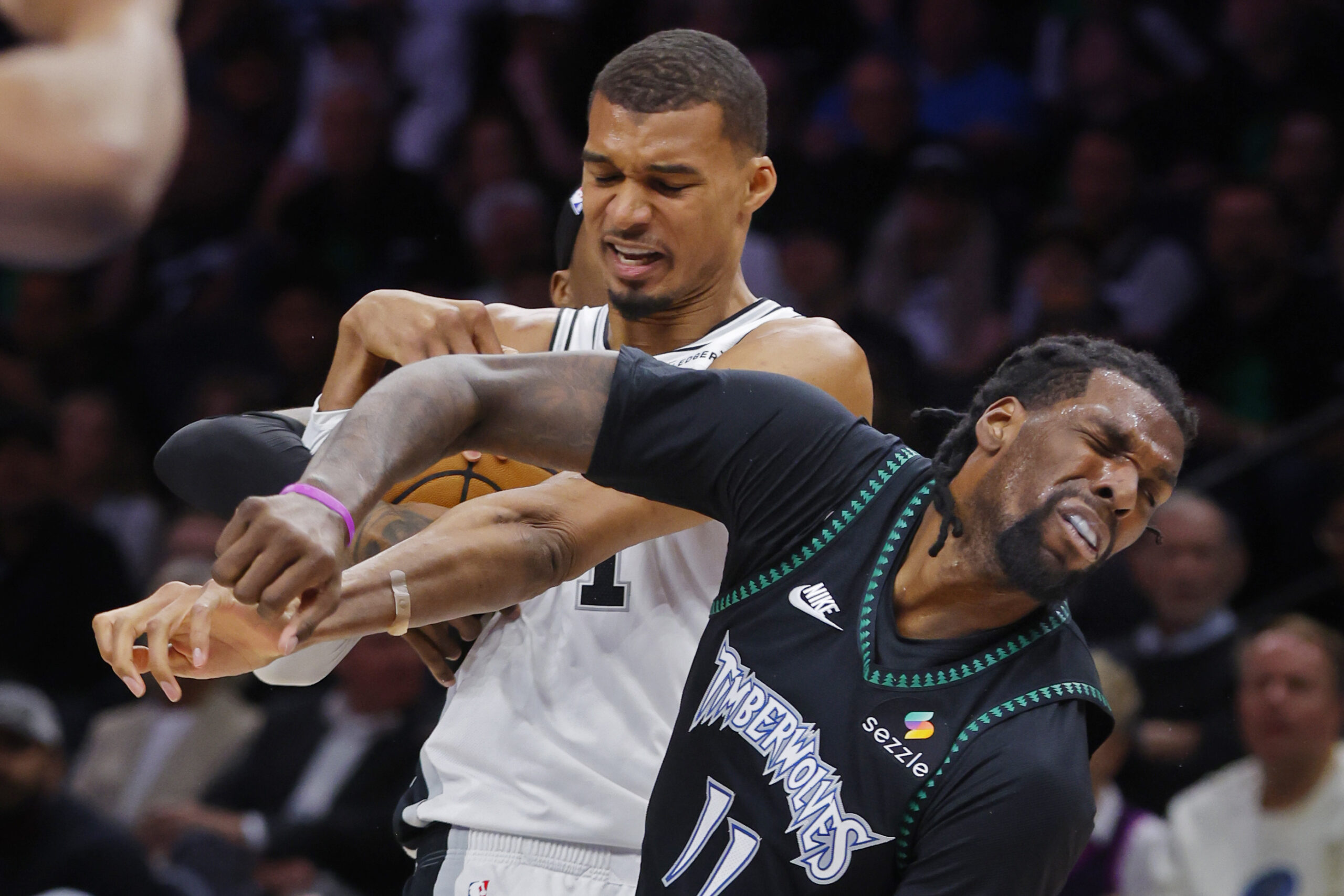

The controversy surrounding Victor Wembanyama’s ejection in Game 4 between the San Antonio Spurs and Minnesota Timberwolves generated plenty of attention. The incident is well known by now: an elbow to the face of Naz Reida Flagrant Foul 2, and an automatic ejection.
It appeared a suspension – or at least a fine – could be coming, but in the end the NBA chose a different path: no additional punishment.
There will be no further discipline for Victor Wembanyama following the ejection for the elbow on Naz Reid. No suspension, no fine. Wembanyama will play in Game 5
Shams Charania
The two key factors behind the NBA’s decision
The NBA’s choice did not come out of nowhere. There were two primary reasons:
1. The punishment was already served during the game
Wembanyama was ejected with a flagrant 2meaning he already missed a large portion of game 4. For the league, that counts as punishment already enforced on the court. In other words, the immediate competitive consequence was considered sufficient.
2. No prior disciplinary history
The second factor may have been the most important: no previous record of dirty play or disciplinary issues. The NBA viewed the act as an isolated incident, not part of a repeated or aggressive pattern of behavior.
The reactions: NBA under pressure
The decision did not convince everyone. Several prominent NBA voices strongly criticized the lack of a suspension.
Among the harshest was Kendrick Perkinswho blasted the league on air:
You’re saying talent and entertainment matter more than player safety? If something worse had happened, what would we be saying?
Kendrick Perkins
Draymond Green also weighed in, focusing primarily on consistency in officiating and league discipline. He then pointed to the management of fouls in the decisive moments of the season.
These are dangerous plays in the playoffs. If you really want to protect players, you have to be consistent with punishments, no matter who commits the foul
Draymond Green
He then expanded the discussion to the influence of NBA stars in disciplinary decisions.
When a star like Wembanyama receives no further punishment, the message becomes confusing. The rules have to apply equally to everyone
Draymond Green
Stephen A. Smith approached the issue from a broader perspective, tying it to the NBA’s image and credibility. His comment focused on how the public perceives when the league intervenes in cases like this.
The NBA has to be careful about the message it is sending. If you start making exceptions for superstars, then you lose credibility when you talk about protecting players
Stephen A. Smith
He also stressed the danger of setting long-term precedents.
These decisions create precedents. And in the playoffs, every precedent matters. People watch and immediately understand what is acceptable and what is not
Stephen A. Smith
The NBA’s ruling closes the case from a disciplinary standpointbut it certainly does not end the debate. Now everything shifts back to the court: Game 5 promises a strong response, on and off the floor.
Comments are closed.