
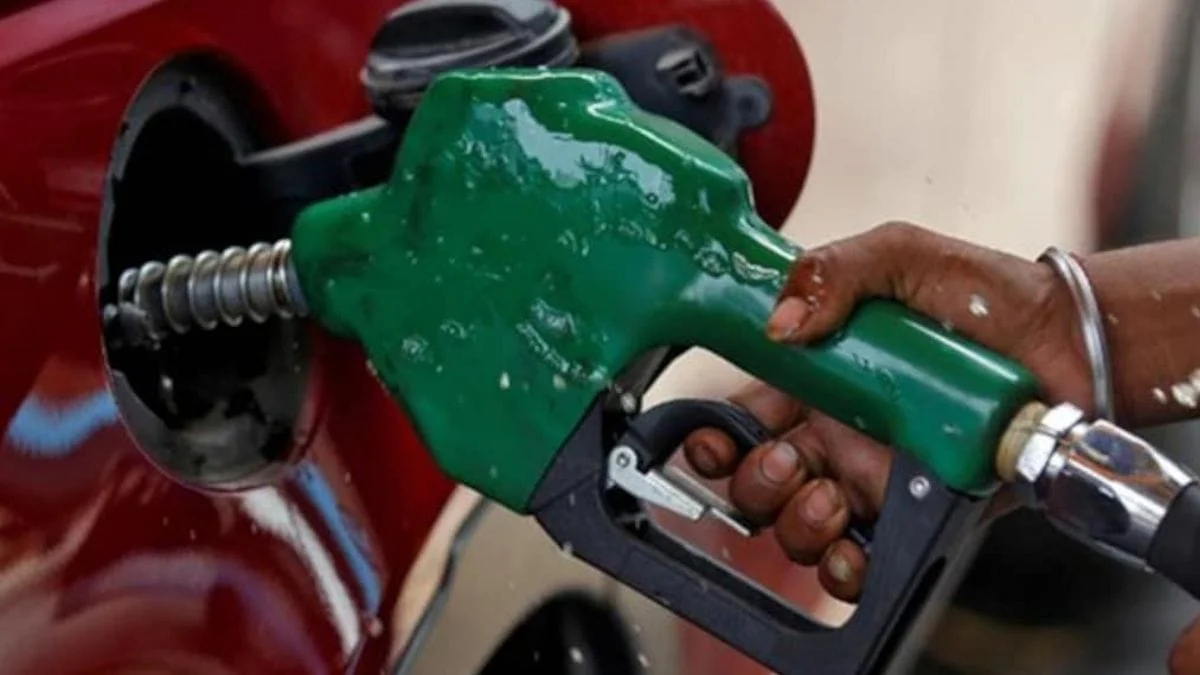

The government announced on Friday that it is cutting excise duties on petrol and diesel by ₹10 per litre each. If you heard that and immediately wondered whether your next trip to the petrol pump will cost less, the answer is no. And the reason why tells you everything about the scale of India’s current fuel cost crisis.
The Short Answer
Petrol and diesel retail prices in India are not going down after this excise cut. The ₹10 per litre reduction in excise duty will be absorbed entirely by oil marketing companies to reduce their losses. Not a single rupee of the cut reaches your fuel bill.
The Reason — OMCs Are Losing ₹48.8 Per Litre Right Now
India’s state-owned oil marketing companies, Indian Oil, Bharat Petroleum, and Hindustan Petroleum, are currently selling every litre of petrol and diesel at a loss of ₹48.8 per litre. That is the gap between what it costs them to source, refine, and deliver fuel at current global crude oil prices and what the government allows them to charge consumers at the pump.
This loss exists because Brent crude crossed $100 per barrel after the US-Israel war on Iran and the Strait of Hormuz blockade drove global energy prices to historic highs. The government has held retail fuel prices flat to protect Indian consumers from the full inflationary shock of that price spike. The OMCs absorb the difference between the market price and the controlled retail price on every single litre sold across India every single day.
The ₹10 excise duty cut reduces the government’s tax take on fuel by ₹10 per litre. That ₹10 is now left with the OMCs instead of going to the government. It reduces their loss from ₹48.8 per litre to ₹38.8 per litre. They still lose ₹38.8 on every litre. There is no surplus to pass on to consumers. The pump price stays exactly where it is.
What About Nayara Energy
While state-owned OMC prices remain frozen, India’s largest private fuel retailer Nayara Energy moved in the opposite direction a day before the excise cut announcement. Nayara, which holds an 8.4 percent market share and is backed by Russian company Rosneft, hiked petrol by ₹5.3 per litre and diesel by ₹3 per litre. Unlike state-owned companies, Nayara is not obligated to follow government price freeze policies.
If you have a Nayara petrol station near you, you are already paying significantly more than at Indian Oil, BPCL, or HPCL pumps. The price divergence between private and state-owned fuel retail is an unusual and uncomfortable development that reflects just how unsustainable current OMC loss levels are. Nayara’s hike is essentially a preview of what state-owned pump prices would look like if the government allowed them to reflect actual costs.
So Why Did the Government Cut Excise at All
The excise cut serves two purposes even if it does not reduce fuel prices for consumers. First, it provides OMCs with ₹10 per litre of additional revenue per litre sold, meaningfully reducing the pace at which their financial position deteriorates. Indian Oil, BPCL, and HPCL combined sell hundreds of millions of litres of fuel daily. A ₹10 per litre improvement in their realisation adds up to thousands of crores in reduced losses over weeks and months. This buys the government time before OMC balance sheets reach a point where a retail price hike becomes unavoidable.
Second, it is a visible policy action that signals government responsiveness to the energy crisis. With Nayara having already raised prices, with crude above $100, and with consumer anxiety about fuel costs rising, the government needed to demonstrate that it was acting. The excise cut is that demonstration, even if its immediate impact on consumer prices is zero.
India’s Supply Buffer — What the Government Has Said
The government has provided its clearest picture yet of India’s fuel supply position. Total reserves including strategic petroleum reserves and OMC stocks stand at 74 days of coverage. India has approximately 60 days of oil stock cover and 30 days of LPG cylinder supply in reserve. The government has ordered a 25 percent increase in domestic LPG production and has fast-tracked new import contracts to diversify supply sources. Junior Petroleum Minister Suresh Gopi confirmed that India’s three strategic reserves hold approximately 3.372 million tons, which is two thirds of maximum capacity.
The government has explicitly rejected social media reports of fuel and cylinder shortages as a deliberate misinformation campaign designed to trigger panic buying, urging citizens not to make unnecessary purchases based on unverified claims.
When Will Fuel Prices Actually Come Down
The scenario in which petrol and diesel prices fall for Indian consumers requires a specific sequence of events. The Iran conflict must resolve or significantly de-escalate. The Strait of Hormuz must reopen to normal traffic. Brent crude must fall back from its current levels above $100 toward the $70 to $80 range that prevailed before the war began. OMC losses must reduce to levels where their financial position stabilises without requiring government subsidy or retail price increases. And the government must then allow OMCs to pass on the reduced procurement costs to consumers through lower pump prices.
Iran’s rejection of the US peace proposal on March 26 and the renewed diplomatic standoff make that sequence of events more distant today than it appeared 48 hours ago when ceasefire optimism was at its peak. Until the global energy crisis that began with the Hormuz blockade resolves, Indian fuel prices at state-owned pumps will remain frozen while OMC losses continue to accumulate behind the scenes.
The government is managing a situation where fiscal support for fuel price stability is costing the nation thousands of crores in OMC losses every single day. The excise cut helps reduce that cost. But cheaper fuel at the pump requires cheaper crude oil globally, and cheaper crude oil requires peace in West Asia.
That peace is not here yet.
Disclaimer: This article is for informational purposes only and does not constitute financial or investment advice.

Comments are closed.