
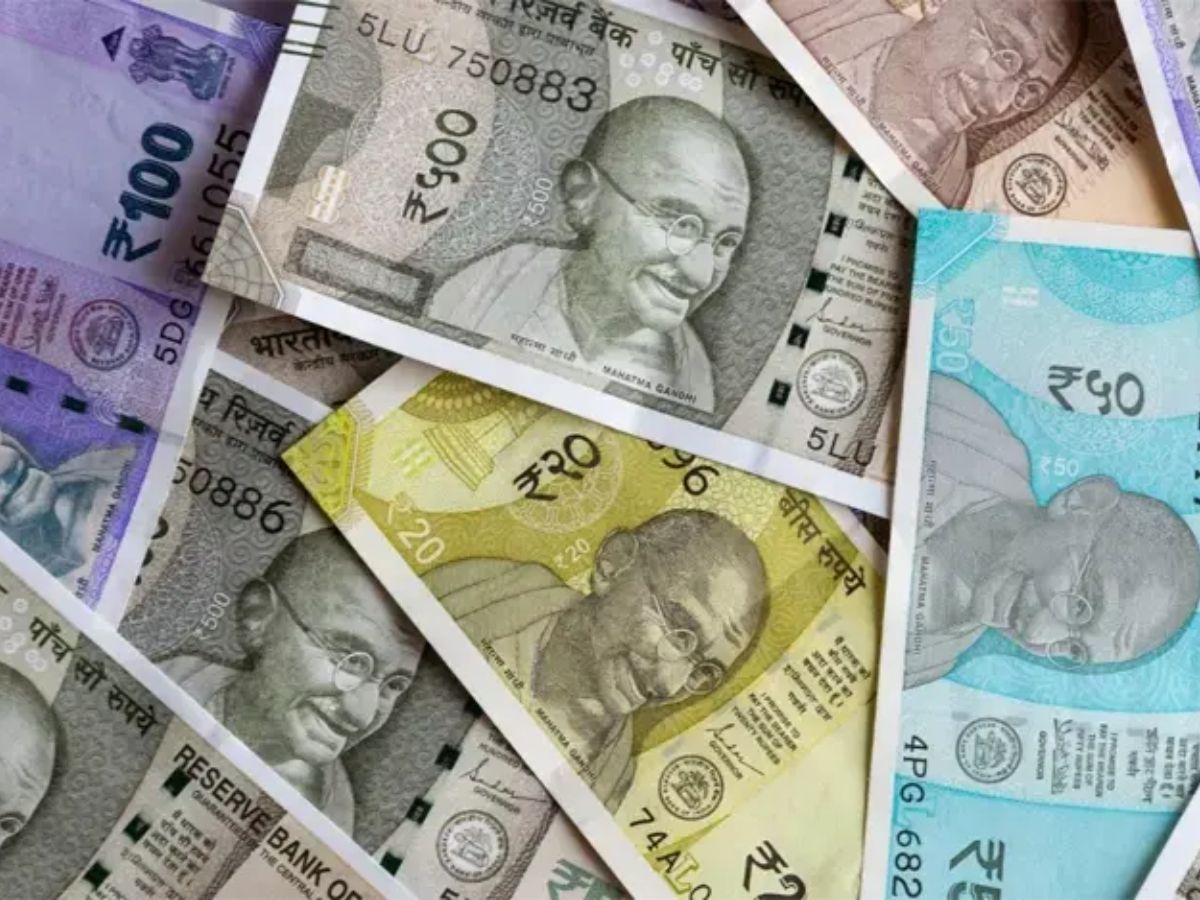

The Indian currency notes in your hand may look much different one day. The Reserve Bank of India (RBI) has indicated it is looking into a proposal to introduce plastic or polymer notes into India. The policy is still in its formative stage, and there has been no final decision, but there has been a new push for the move following a comment from RBI Governor Sanjay Malhotra during a post-Monetary Policy Committee (MPC) 2026 press meet on Friday, June 5.
If adopted later down the line, a polymer currency would arguably be the most significant move to India’s currency system since new notes were introduced in a new series post-demonetisation. But what are polymer notes? Why is the RBI looking into them? What would it mean for ordinary Indians?
RBI Says Proposal Still At Preliminary Stage
In his interaction with media following the monetary policy announcement, the RBI Governor said that the viability of polymer banknotes is still being looked into by the central bank. “As far as polymer notes are concerned, the proposal is under consideration. As soon as any decision is taken on it, we will inform you,” said Malhotra. “We are examining the pros and cons of it and whether it would be worthwhile to implement. It is still at a preliminary stage,” he added.
The governor’s comments suggest that the RBI is now considering the advantages and disadvantages before deciding whether a nationwide rollout would be sensible.
What Are Polymer Notes?
Polymer notes are banknotes printed on a specially designed plastic substrate, rather than the cotton-pulp paper used for most traditional currency notes.
The technology was initially developed in Australia and has now been adopted by a number of countries, including the UK, Canada, New Zealand, Singapore and others.
Polymer notes are designed to withstand moisture, dirt, folding and daily wear and tear way better than traditional paper notes. They often have clear windows and intricate security features that are hard to duplicate.
Polymer notes look similar to normal money, but usually consumers find them to be smoother, more flexible and more durable.
Why Is The RBI Thinking Of Plastic Notes?
One of the biggest challenges for any central bank is to maintain the quality of the currency in circulation. In India, bank notes are circulated in millions of hands every day and also subjected to extreme weather conditions from high humidity and monsoon rains to intense heat and dust.
Thus, currency notes spoil relatively quickly.
The RBI periodically withdraws damaged and soiled notes from circulation and replaces them with newly printed notes. The process involves huge costs for printing, transportation and replacement.
Research in countries using polymer currencies has shown that plastic notes can stay in circulation much longer than traditional paper notes. In some cases they have been found to last from two to five times as long.
If similar results are achieved in India, the Reserve Bank of India (RBI) may be able to reduce the frequency of note replacement and reduce long-term currency management costs.
A Possible Weapon Against Counterfeit Currency
The other big attraction of polymer notes is their security features.
Counterfeiting of currency is a problem for central banks everywhere. Polymer notes provide the opportunity for authorities to incorporate sophisticated anti-counterfeiting technologies that are challenging to reproduce through traditional printing processes.
On polymer notes, central banks can embed a multitude of complex security features that are significantly more difficult to replicate than those on traditional paper notes. These features include transparent windows, colour-changing inks that change their appearance when viewed from different angles, intricate holograms, micro-printing, raised tactile features that can be felt by touch, and sophisticated embedded security devices. These features together increase the true character of the banknotes and greatly reduce the chances of counterfeiting.
In general, countries that have switched to polymer banknotes report lower levels of success in counterfeiting than traditional paper notes.
Australia, the first to use polymer currency, is constantly pointing out the added security features built into its latest generation of notes.
Better security could be a big plus for India, where fake high-value notes have periodically cropped up as an issue.
India Has Thought About Polymer Notes – Not For The First Time
The idea is not new, although the recent discussion has brought new attention to it.
The Reserve Bank of India first mooted the idea of polymer notes nearly two decades ago. Over the years, the Reserve Bank of India has explored several pilot projects, feasibility studies, and procurement exercises.
The idea germinated in 2014 when the government informed Parliament that one billion polymer Rs 10 notes would be introduced as part of a field trial.
The main reason for introducing polymer/plastic notes is to increase their life and not to combat counterfeiting. The cities selected for field training were Kochi, Mysore, Jaipur, Shimla and Bhubaneswar.
The purpose was to evaluate the performance of polymer notes in different climatic conditions.
The plan, however, never got beyond the trial stage. Later reports stated that technical and operational challenges had appeared, and the project was put on hold.
In 2016, the government again advised Parliament that it had taken steps to acquire polymer notes. But it was not a nationwide launch.
The RBI has also been experimenting with varnished notes in the last few years. These are old-style paper notes coated with a protective layer to enhance their durability without a complete shift to plastic currency.
What Challenges Could Arise?
Polymer notes have many advantages, but they do have their disadvantages.
The review by the RBI is probably examining issues like:
Increased Start-up Costs
Polymer notes are generally more expensive to produce than paper notes. But the cost of production must be higher, and the savings in the longer term should be bigger.
Printing Infrastructure
A move would mean changes to current printing processes, machinery and supply chains.
Public Adaptation Page 1 of 4
Millions of people would have to learn to feel and handle a new variety of currency. ATM systems, counting machines, and cash handling equipment may also need to change.
Environmental Problems
Polymer notes last longer, but often questions are asked about end-of-life disposal and recycling procedures.
These may be some reasons why the RBI is being cautious before taking any final decision.
Will Plastic Banknotes Replace Our Current Paper Currency?
The comments from the RBI governor imply that the answer is no.
The proposal remains under review, and no timeline has been announced. If the central bank does go ahead someday, any shift is likely to be a gradual one, with pilot projects and limited rollouts before a wider circulation.
Indians will continue to use conventional currency notes for the time being while the RBI examines whether polymer banknotes offer enough advantages to warrant the change.
RBI Ensures Sufficient Currency Availability
Besides the polymer notes discussion, Malhotra tried to assure the public that there is enough cash in the banking system. “If there is a shortage, we will certainly ensure that the shortage is met,” he said.
“Our full effort will be to ensure that wherever there is a shortage of currency in one or two places at ATMs, we will deliver currency there promptly and at a rapid pace,” he added.
Will India Switch To Plastic Currency Notes? RBI Yet To Take A Final Call
The RBI has not yet decided to introduce plastic currency notes, but the idea is being reconsidered. Polymer notes have a longer lifespan, stronger security features and can be cheaper to replace in the long run. But the central bank is proceeding cautiously because of implementation challenges, as well as production costs and operational considerations.
Currently, the proposal is where Governor Sanjay Malhotra says it is – under consideration, with the RBI still weighing the pros and cons before making any move that could change the future of India’s currency.
Also Read: RBI MPC Meeting 2026: 10 Key Takeaway From Sanjay Malhotra’s Policy Speech
Priyanka Roshan is a business writer and assistant editor at the NewsX website who tracks everything from stock market swings and corporate earnings to personal finance trends and policy shifts. Known for turning fast-moving business developments into sharp, reader-friendly stories, she combines speed, accuracy, and a data-driven approach to break down complex financial news for everyday audiences.
With over 9.5 years of newsroom experience, Priyanka has worked with leading media organisations, including Bussiness, Times Now, and Ping Digital, covering diverse beats such as business, politics, technology, auto, travel, sports, and the world. From live breaking news desks to SEO-led digital storytelling, she specialises in creating engaging content that keeps readers informed without overwhelming them.
The post Will India Switch To Plastic Currency? RBI’s Polymer Plan Explained appeared first on NewsX.

Comments are closed.