
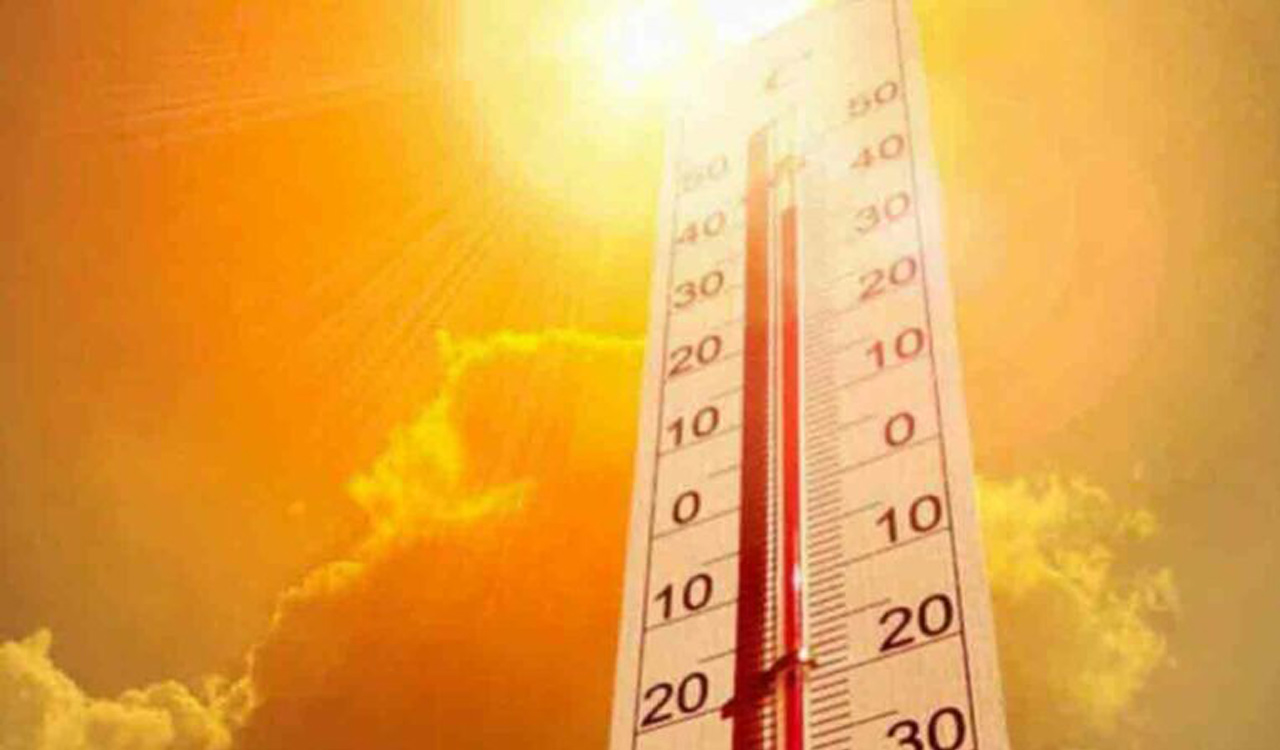

The World Meteorological Organization warned there is an 86 per cent chance that a year between 2026 and 2030 could surpass 2024 as the hottest year on record. The report also projected continued global warming and increasing chances of temporary 1.5 degrees Celsius breaches.
Published Date – 28 May 2026, 08:32 PM
By Vishal
Geneva: There is an 86 per cent chance that at least one year between 2026 and 2030 will surpass 2024 as the hottest year ever recorded, according to a new climate update released by the World Meteorological Organization (WMO) on Thursday.
The report, produced by the UK Met Office as part of the WMO’s Global Annual-to-Decadal Climate Update, warned that global temperatures are likely to remain at or near record levels over the next five years.
According to the report, there is a 91 per cent probability that global temperatures will temporarily exceed 1.5 degrees Celsius above pre-industrial levels in at least one year between 2026 and 2030.
In 2024, global temperatures had already reached around 1.55 degrees Celsius above the 1850-1900 average.
The WMO also said there is a 75 per cent chance that the average global temperature across the 2026-2030 period will exceed the 1.5 degrees Celsius threshold.
However, the possibility of any single year crossing 2 degrees Celsius above pre-industrial levels during the next five years remains “exceptionally unlikely”, at less than one per cent.
Annual global temperatures between 2026 and 2030 are projected to range between 1.3 degrees Celsius and 1.9 degrees Celsius above pre-industrial averages.
The report said a possible El Niño event developing towards the end of 2026 could further increase global temperatures and raise the likelihood of 2027 becoming another record-breaking year.
Scientists have previously noted that El Niño conditions are often associated with harsher summers and weaker monsoon seasons in India.
The WMO further warned that Arctic temperatures are projected to warm nearly 2.8 degrees Celsius above the 1991-2020 average over the next five northern hemisphere winters, more than three times faster than the global average.
The agency clarified that the 1.5 degrees Celsius and 2 degrees Celsius thresholds under the Paris Agreement refer to long-term warming measured over decades and that temporary annual breaches do not mean the targets have permanently failed.

Comments are closed.