

Workday is undergoing a significant leadership transition as Chief Executive Officer Carl Eschenbach steps down from his position, just days after the enterprise software company reduced its workforce by about 400 employees. The change places Workday cofounder and executive chair Aneel Bhusri back in the CEO role, a position he has held multiple times throughout the company’s history.
According to Workday, Eschenbach will remain involved with the company as a strategic advisor to Bhusri. The timing of the announcement has drawn attention because it follows closely on the heels of layoffs that affected roughly 2% of Workday’s global staff. The company described the job cuts as part of an effort to better align its resources with key priorities as it adapts to rapid changes in the technology sector.
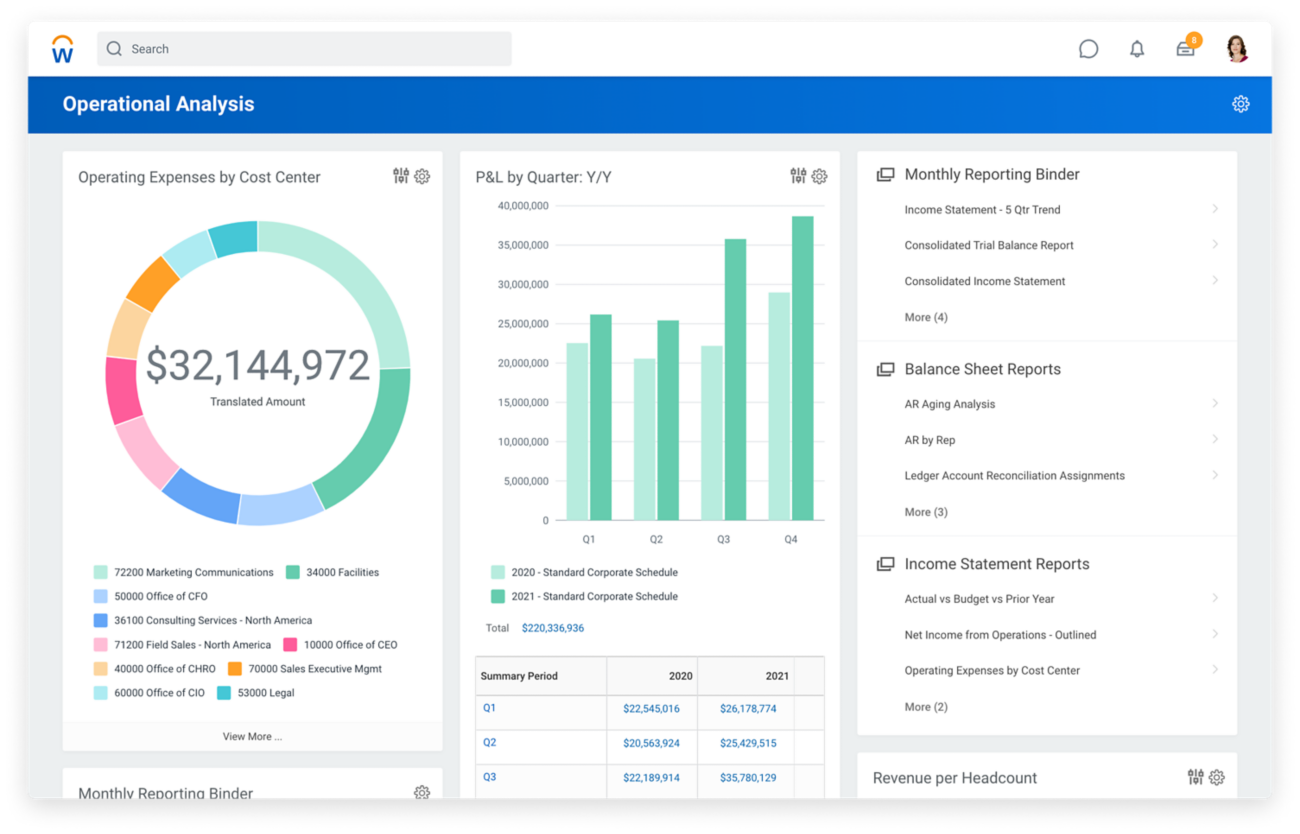
Workday develops cloud-based software used by organizations to manage payroll, human resources, talent management, and financial operations. Like many enterprise technology firms, it is navigating a competitive market increasingly shaped by advances in artificial intelligence and shifting customer expectations.
Board Backs Bhusri’s Return to CEO Role
Workday’s board of directors publicly endorsed Bhusri’s return, pointing to his long-standing connection to the company and his experience guiding it through earlier growth phases. Mark Hawkins, Workday’s vice chair and lead independent director, highlighted Bhusri’s leadership as the company prepares for what it sees as a pivotal period driven by AI.
“As we enter a defining moment shaped by AI, there is no one better than Aneel to lead this next chapter,” Hawkins said. “His vision, conviction, and deep connection to Workday’s culture will position the company to continue to lead in a changing landscape.”
Bhusri has played a central role in Workday since its founding in 2005. He first served as co-CEO with cofounder Dave Duffield from 2009 to 2014. After that, he became sole CEO from 2014 to 2020 and later shared the CEO title again from 2020 to 2024. In addition to his executive responsibilities, he has remained a member of the company’s board since its inception.
His return comes at a time when many technology companies are reassessing leadership structures to better respond to the growing influence of AI and the need for faster innovation.
Workforce Reductions Reflect Strategic Realignment
The recent layoffs impacted approximately 400 employees worldwide. Workday said the decision was driven by the need to focus investments and staffing on its most important strategic initiatives. The company did not cite artificial intelligence as the direct cause of the reductions.
These cuts follow a larger round of layoffs last year, when Workday said it was redirecting resources toward priority growth areas, including AI-related development. As of January 31, 2025, the company reported employing more than 20,400 people.
The restructuring mirrors a broader pattern across the technology industry. Many software companies have been trimming costs in some areas while continuing to invest heavily in emerging technologies. This balancing act reflects the pressure to remain competitive while adapting to fast-moving changes in enterprise software and automation.
Market Pressures Weigh on Workday Shares
Investors responded cautiously to the leadership change and recent restructuring. Workday’s stock fell by about 6% following the announcement and is down roughly 43% compared with its level a year earlier.
The company’s share performance is part of a wider trend affecting enterprise software firms. Several companies in the sector experienced declines after the introduction of Anthropic’s Claude Cowork plugin, an AI tool designed to automate administrative and compliance-related tasks. The debut of such tools has fueled debate about how AI could alter demand for traditional business software.
Other companies that saw share price pressure included Intuit, Salesforce, and LegalZoom. The rapid pace of AI development has intensified competition and led investors to reevaluate growth prospects across the industry.
Eschenbach Expressed Confidence in AI Strategy
Before stepping down, Eschenbach had publicly emphasized that he viewed AI as an opportunity rather than a threat to Workday’s business. Speaking with CNBC at the World Economic Forum in Davos last month, he argued that the company’s existing customer relationships and data infrastructure positioned it well for the AI era.
“We are uniquely positioned to be one of the AI winners in the enterprise because of our incumbency, and lastly, because of the trust we get from our customers,” Eschenbach said. “We have the cleanest set of data in the industry, and AI is a tailwind for us. It’s absolutely not a headwind.”
His remarks underscored Workday’s strategy of embedding AI capabilities into its platforms to improve automation, analytics, and decision-making for enterprise clients.

Comments are closed.