
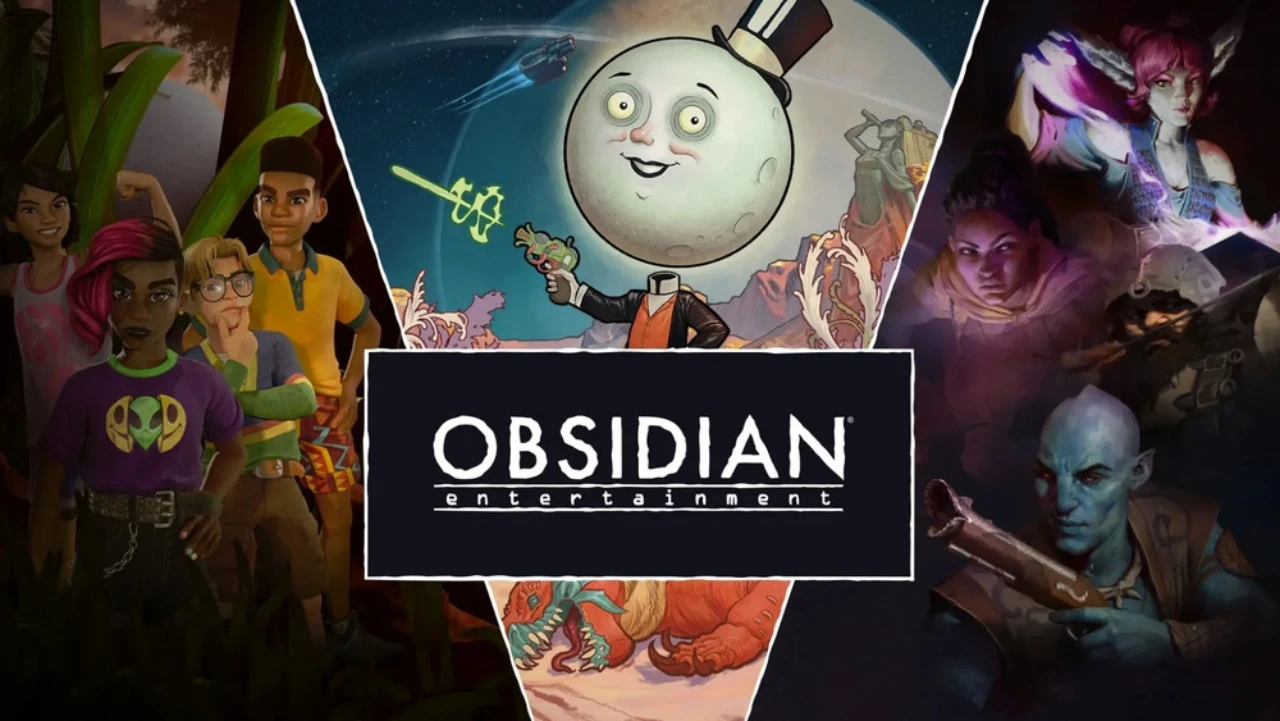

When a report circulated on July 2, 2026, indicating that Obsidian Entertainment was actively in negotiations to avoid shutting down, the gaming community panicked. However, Bloomberg’s Jason Schreier quickly issued a clarification, confirming that Obsidian is absolutely not shutting down and that Xbox is keeping the studio.
But the reprieve is deceptive. New Xbox CEO Asha Sharma is executing a cold corporate “reset” to fix a razor-thin 3% profit margin. Microsoft burned over $20 billion, which shakes out to roughly ₹1.67 lakh crore depending on the daily exchange rate, on content and hardware subsidies over five years, only for annual revenue to drop by half a billion dollars.
This is yet another corporate that has taken the wheel of creativity from its developers.
So, if a project cannot generate Warcraft or Candy Crush live-service microtransaction revenue, it is treated as an administrative error just in the queue to be erased.
The Chaos Inside Xbox: Startup Urgency Meets Corporate Panic
The collaborative atmosphere Microsoft promised during its 2018 studio acquisition spree has vanished. Executive leadership now dictates major operational pivots in hours rather than months, imitating chaotic startup cycles.
| The Corporate Script | The Operational Reality |
| “We are focusing our investments on high-priority, flagship franchises.” | Satya Nadella and Amy Hood took the keys because Xbox bled cash for five years. |
| “We respect the right of our teams to unionize and voice concerns.” | Workers are organizing press conferences because they refuse to pay for executive blunders. |
| “Hardware remains a core pillar of our long-term consumer strategy.” | Chasing a dying console market during an active component crisis is burning capital. |
The Microtransaction Mandate: Why Pure RPGs Are Dead at Xbox
For years, Microsoft pitched Xbox Game Studios as a safe haven where acquired developers could make the niche, passionate games of their dreams. That illusion has vanished.
- The Microtransaction Mandate:
If an intellectual property cannot generate Warcraft- or Candy Crush-style live-service revenue, it is treated as an administrative error.
- The Case of Obsidian:
Obsidian released three games in 2025, an astonishing output for the modern industry, yet rumors erroneously claimed they were fighting for survival.
While sources confirm Xbox is keeping Obsidian firmly in the fold, the broader scare highlights how easily a studio’s safety can be questioned in the current climate.
- Support Studio Threat:
Rumors already suggest that unique RPG powerhouses are being pressured to transform into perpetual Fallout support studios just to stay alive. If an intellectual property cannot generate endless live-service microtransactions, corporate logic dictates it shouldn’t exist.
- Drying Third-Party Deals:
Third-party publishing is drying up completely, evidenced by Microsoft pulling the plug on IO Interactive’s upcoming fantasy title.
The immediate casualty of this panic is the collaborative atmosphere that Microsoft promised when it first acquired these studios back in 2018.
It is a plain case of corporate mismanagement where the teams are being penalized for the broader failures of leadership to project hardware adoption and Game Pass growth.
The Final Verdict: How Shareholders Killed Xbox’s Creative Autonomy
The upcoming July 6 layoffs will likely hit Arkane Lyon, Ninja Theory, and Undead Labs hard. By pivoting exclusively toward safe, nostalgic intellectual properties, Microsoft extracts short-term value while destroying its internal talent pipeline.
Xbox has effectively been absorbed by Microsoft’s broader corporate treasury, stripped of its autonomy. Shareholders do not care about a masterfully written RPG script if it cannot generate live-service microtransactions.
Ultimately, players are left holding the bag where they are paying higher subscription and hardware fees for safer, emptier, and increasingly homogenized games. The platform isn’t dead yet, but its creative autonomy is gone.
What do you think of Xbox’s aggressive pivot toward microtransactions? Are you upgrading your hardware or moving away from the ecosystem entirely?

Comments are closed.