
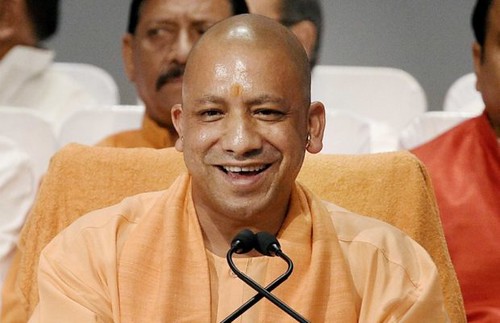

Yogi Adityanath, the Chief Minister of Uttar Pradesh, recently expressed his concerns regarding what he termed as “Kaal Nemi” forces while addressing the controversy surrounding the Shankaracharya’s decision to skip a traditionally significant holy dip. This statement highlights a broader conversation about the challenges facing traditional and religious practices in contemporary society. Adityanath’s remarks come in the wake of growing tensions over the issue, which has captured public attention and raised questions about religious observances.
The term “Kaal Nemi” has historical connotations, often associated with forces that disrupt harmony and traditional values. Adityanath’s use of this term signifies a call to protect cultural and religious sanctities that he believes are under threat. The discourse surrounding this topic reflects a wider societal debate about the relevance of traditional practices in a rapidly modernizing world.
In the wake of the Shankaracharya’s absence from the holy dip, various opinions have emerged, and community leaders have weighed in on the implications of such acts. Supporters of Adityanath’s views argue that maintaining religious observances is crucial for cultural identity, while detractors may see this as an opportunity to reassess the meaning and significance of such traditions in today’s context.
Moreover, the controversy has underscored the complex relationship between politics and religion in India. Adityanath, as a prominent political figure, is keen on reinforcing the intertwining of faith and governance, which resonates with a significant segment of the population. This approach, however, also invites scrutiny and debate, particularly among those who advocate for a more secular outlook in public life.
As discussions continue, the implications of Adityanath’s statements on both governance and societal norms are likely to unfold in the coming days. The reaction from various stakeholders, including religious leaders, political opponents, and the general public, will determine how this controversy evolves and what it signifies for the interplay between tradition and modernity in India.

Comments are closed.